
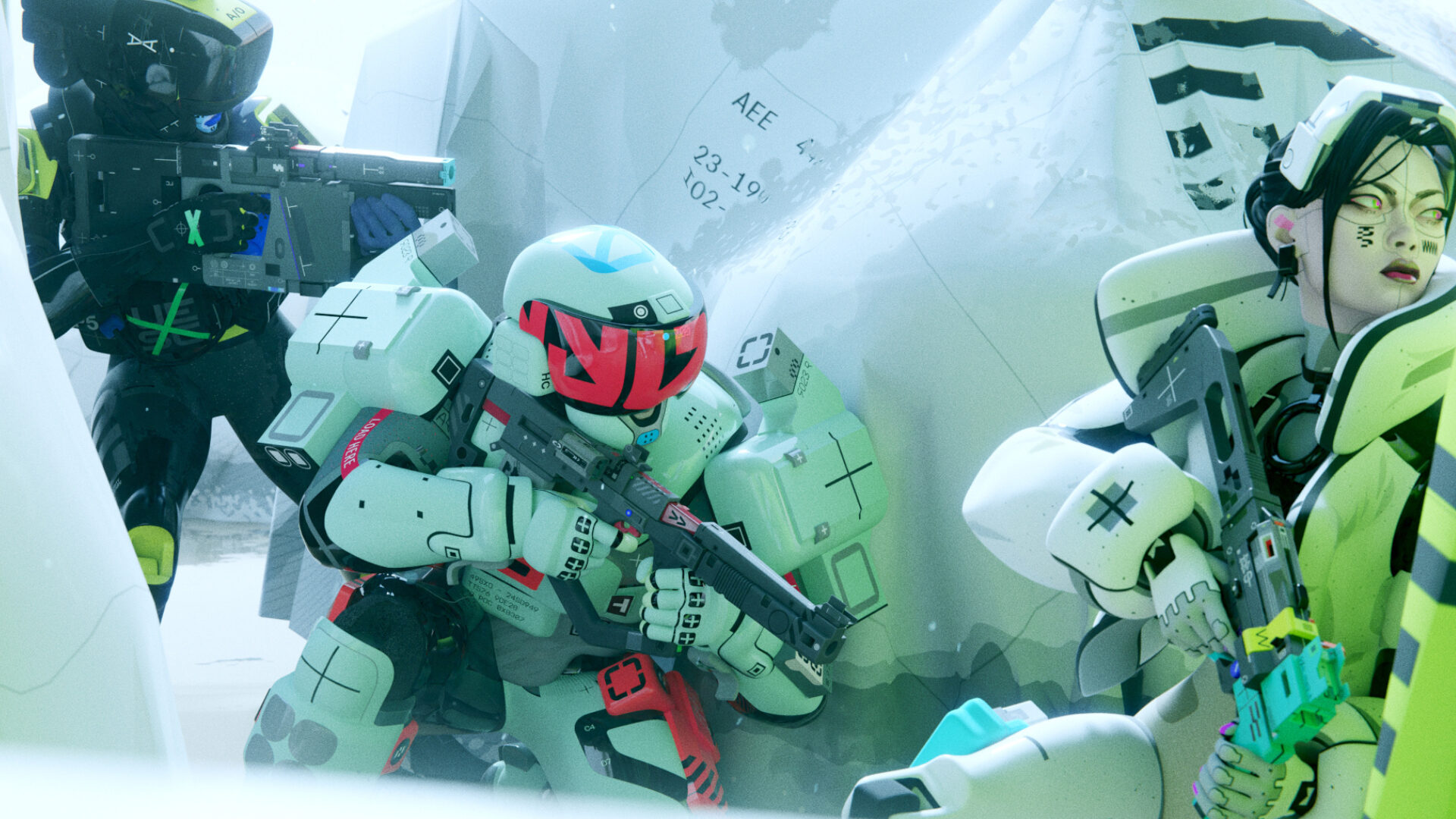

Marathon
The return of a name that rejects nostalgia
Score: 9.5/10
Images and videos
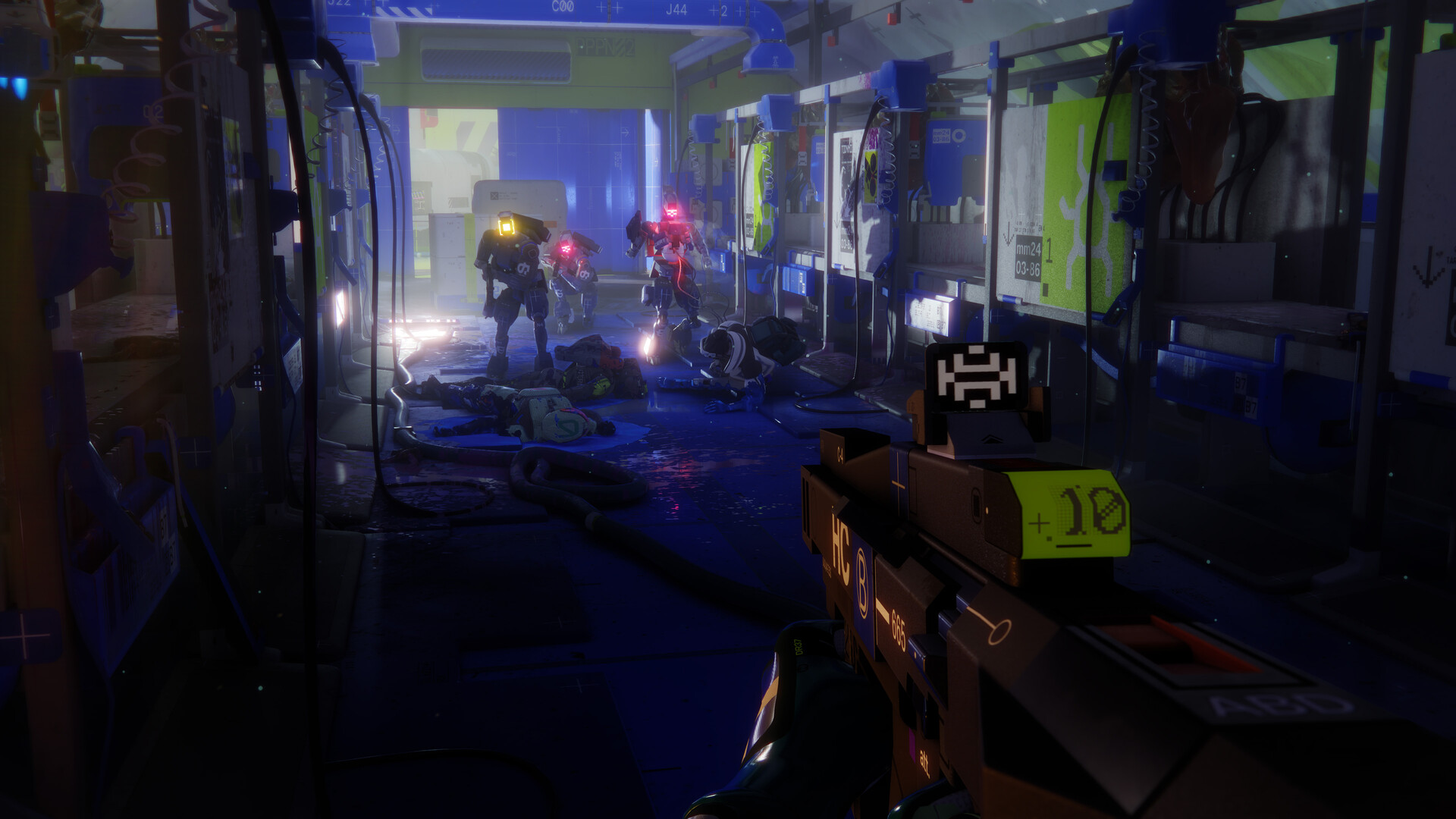
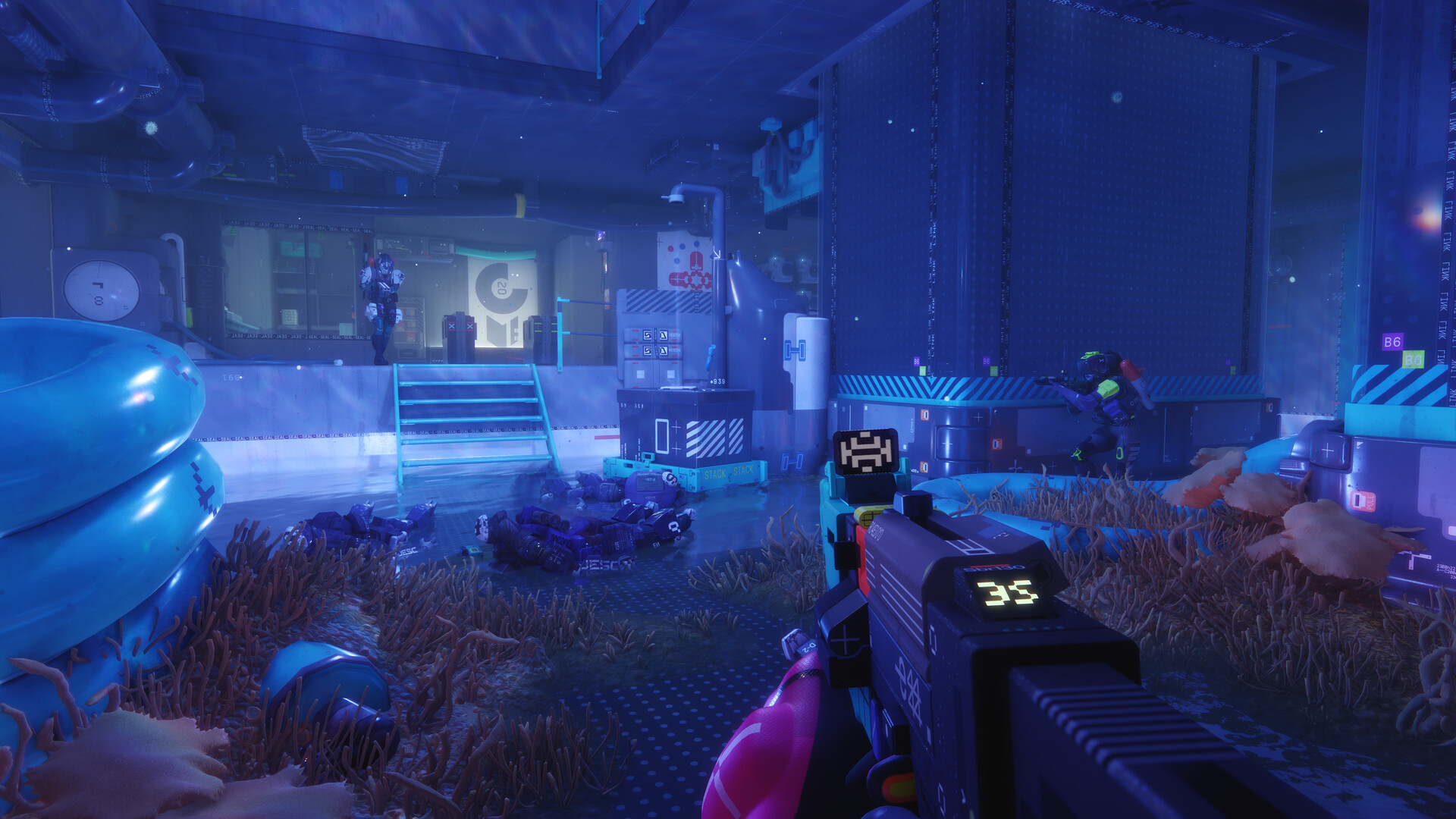
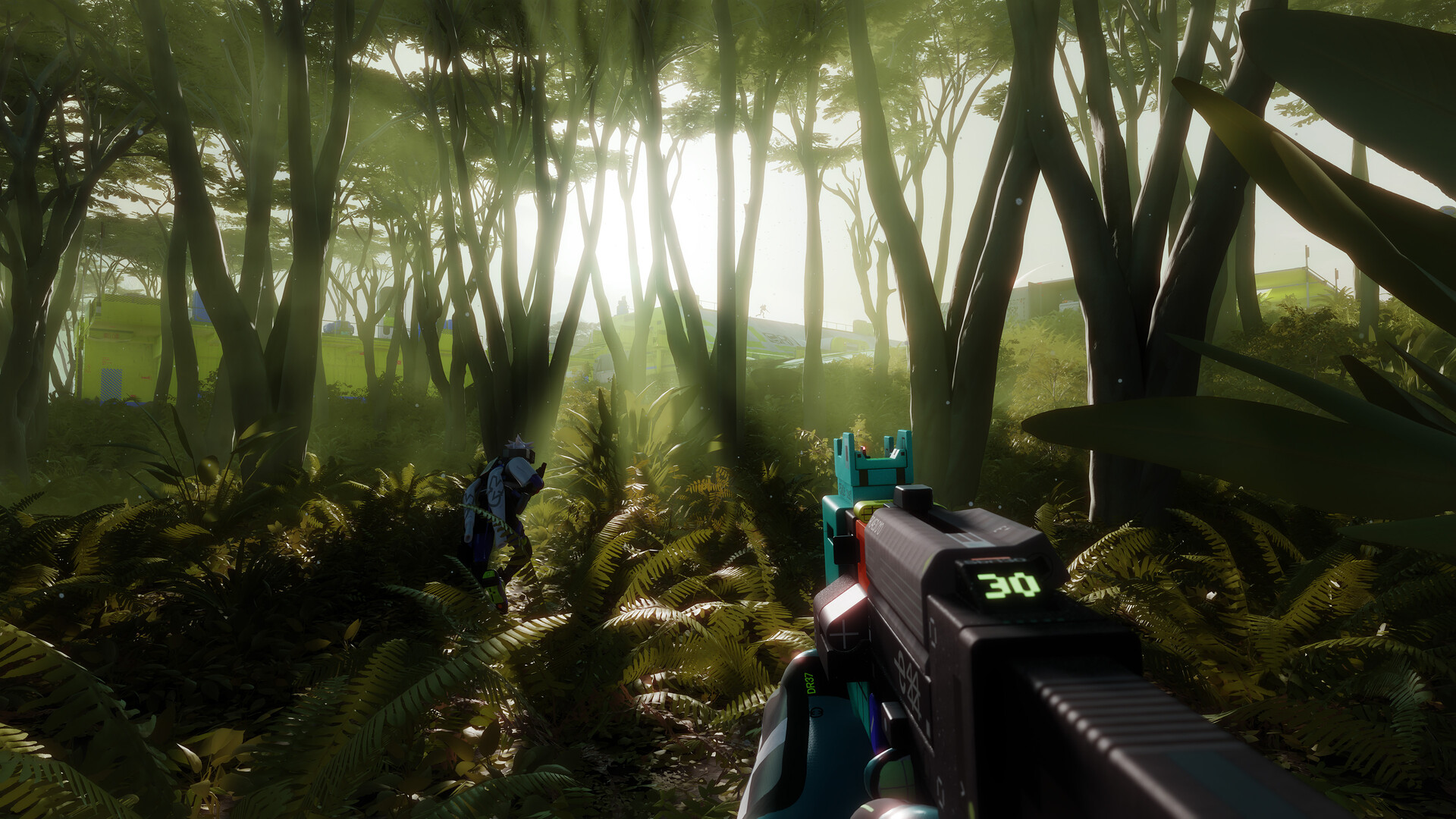
At a glance
We liked
- Remarkably precise gunplay
- A constant tension specific to the extraction genre
- A rich universe that can be discovered through exploration
- Progression based on player mastery
We liked less
- A particularly dense interface
- A difficulty that is not made for all players
Contents
With Marathon, Bungie resurrects a forgotten franchise. The studio chooses a much more ambitious trajectory: transforming the heritage of the series into a radically contemporary proposition. Far from a simple revival, Marathon presents itself as a demanding extraction shooter, designed around risk, tension and control; like a big-budget Space From Tarkov.
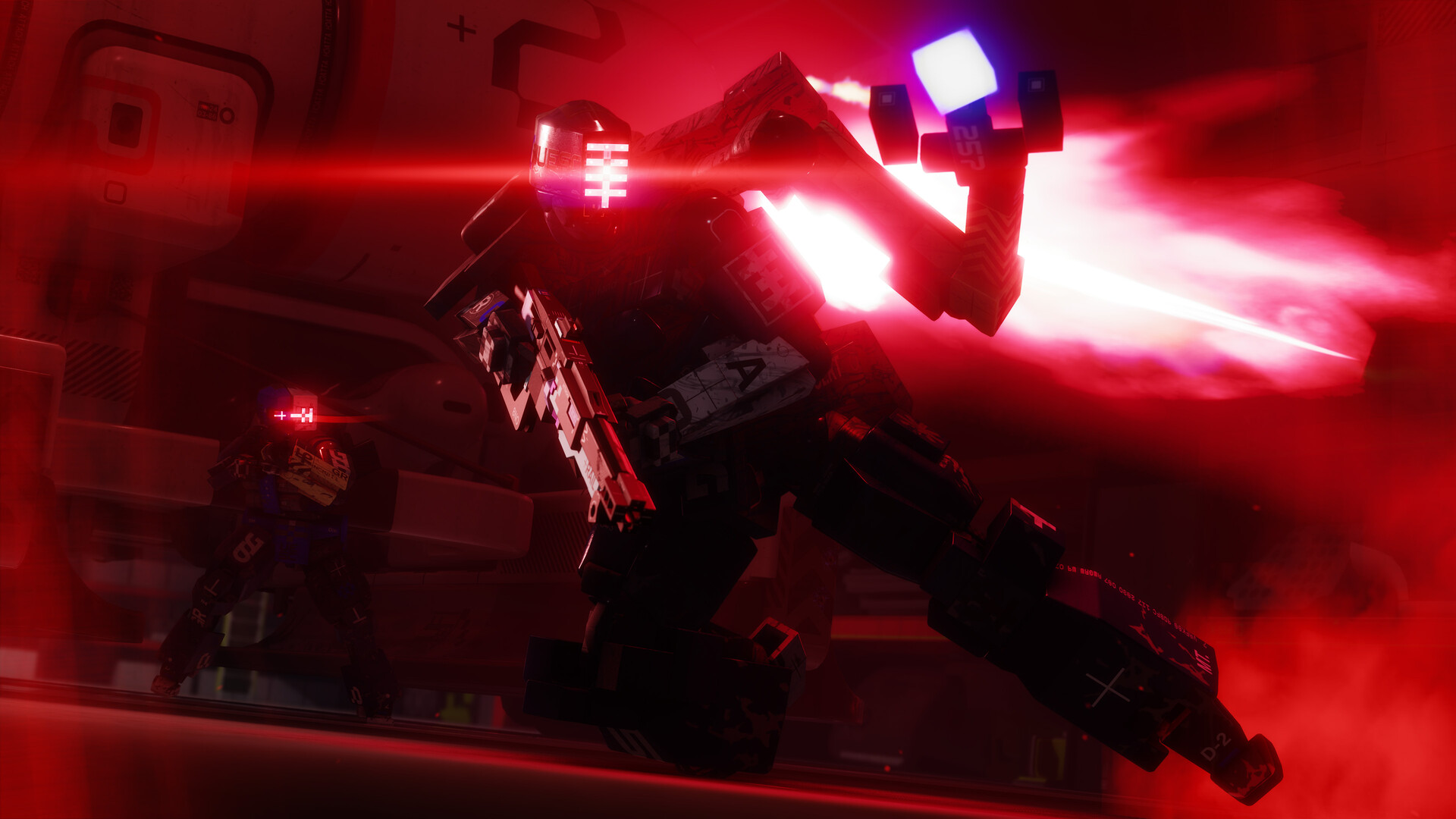
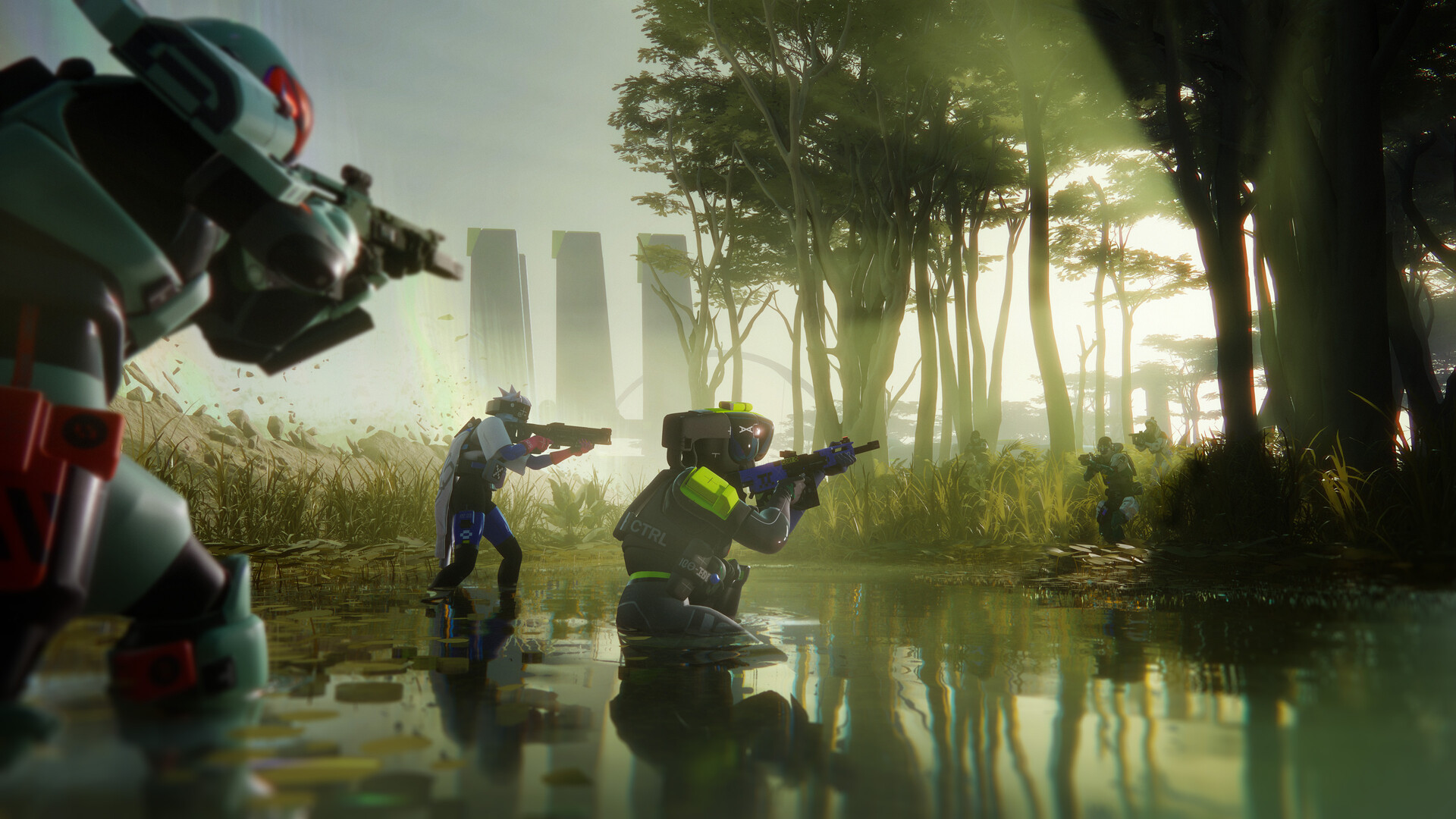
The principle is simple, at least on paper. Cybernetic mercenaries, the Runners, explore the ruins of the planet Tau Ceti IV, scavenging for resources and attempting to extract their loot before another player or UESC robots end their expedition. However, behind these mechanics familiar to the genre lies a much richer experience, supported by gunplay of remarkable precision and an immediately identifiable artistic direction.
What is immediately striking is the coherence of the whole. The universe never fully reveals itself. The world can be discovered in fragments: abandoned terminals, enigmatic environments, clues scattered in the maps, random voice messages. This approach transforms each exploration into an implicit investigation, where curiosity becomes as powerful a driving force as survival.
In this context, Marathon fully assumes its nature as an extraction shooter. Tension arises from permanent uncertainty: each outing can become a triumph or a total loss. Victory depends less on the equipment accumulated than on the player’s ability to read the situation, anticipate enemy movements and choose the exact moment to leave the area.
A central question then remains: in a genre already occupied by solid references, does Marathon manage to impose an identity strong enough to redefine the standards of extraction shooter?
Risk as a gameplay driver
The heart of Marathon is based on a game loop of formidable efficiency: enter, explore, recover, survive, extract. This simple structure quickly becomes a system of great richness since each decision directly affects the fate of the expedition. The player never advances into neutral space. Each move can reveal new loot, a random event, an ambush opponent or an area that suddenly becomes too dangerous to cross.
Gunplay, Bungie’s trademark, constitutes one of the pillars of this tension. The clashes stand out for their precision and readability. Each weapon has an identifiable behavior, each engagement requires thoughtful positioning. In this context, individual control becomes a determining factor. Equipment plays a role, but it never replaces the ability to read a situation or anticipate an attack; especially since the studio had the brilliant idea of making the Runners particularly fragile beings. Clashes rarely last more than a few seconds, and are generally decided with the first shot.
This importance given to skill is also felt in the management of loot. The resources recovered make it possible to improve the arsenal or prepare for subsequent outings, but they never transform the player into an invincible opponent. Balance is based more on map knowledge, tempo management and the ability to choose fights than on the accumulation of rare items. An experienced player will often manage to gain the upper hand over an entire team, or during a duel normally in favor of the opponent.
The experience remains open in the way it approaches each mission. Runners can operate in squads to secure their movements or choose a solitary approach. This second option profoundly modifies the rhythm of the game. The absence of support transforms each meeting into a test of composure and observation. The progression becomes slower, but also more intense, each successful extraction then taking on the value of a real exploit. Unfortunately, the studio was not keen to reward this additional risk-taking (for example with additional experience).
This requirement defines the identity of the game. Marathon fully assumes high difficulty. Learning comes through experimentation as much as through failure. The first outings are used to understand the extraction routes, to identify dangerous crossing points or to measure the intensity of conflict zones.
In this context, the apparent repetition of missions is transformed into strategic terrain. The contracts available vary, the maps offer multiple trajectories and the interactions between players constantly modify the situations. A safe zone on one expedition can become a death trap on the next. This constant renewal maintains tension and prevents routine from setting in.
Thus designed, the gameplay of Marathon is based on a simple principle: each run must earn its extraction. Unlike ARC Raiders, where players are invited to cooperate, Bungie insists and supports the PVP side of its title. Here, friendly interactions with other players are rare; and that’s so much the better.
A world that can be discovered
The universe of Marathon is based on a particular narrative approach. The game does not seek to tell its story through long cutscenes or an imposed linear narrative. On the contrary, it favours a fragmented construction of the world, where elements of lore appear through attentive exploration.
The abandoned facilities of Tau Ceti IV, forgotten terminals, cryptic messages and clues scattered throughout the environment gradually compose a complex backdrop. This method transforms the discovery of the universe into a real investigation. The player who takes the time to observe the places and gather the fragments of information sees a broader story appear, made up of past conflicts, technological experiments and corporate interests.
This environmental narrative is a continuation of Bungie’s productions, already recognized for their ability to build rich worlds without requiring direct exposition. The universe is revealed as the player engages with it. Understanding the context then becomes an additional reward for those who choose to invest in exploration.
The artistic direction reinforces this approach. The environments combine futuristic architecture, industrial infrastructure and natural areas transformed by human activity. The color contrasts, dominated by bright neon lights and cool metallic surfaces, give the maps an immediately recognizable and unique identity in the modern gaming landscape.
This visual signature contributes to immersion. Extraction areas, abandoned complexes or technical installations all tell part of the history of the place. The play space ceases to be a simple setting to become a witness to past events.
By leaving the player responsible for piecing together this story, Marathon offers an active narrative experience. The world does not impose its story: it invites you to discover it.
A progression that rewards mastery
The multiplayer structure of Marathon is based on a simple logic: each expedition into the zone constitutes a calculated risk. The player enters the map with a goal: to collect resources, complete a contract or simply observe the routes and learn the best strategies; then must decide exactly when extraction becomes preferable to combat.
This loop creates permanent tension. Each minute spent on the map increases the opportunities for winning, but also the probabilities of confrontation. The player must constantly choose between ambition and prudence. This choice constitutes the strategic heart of the game.
Progression is then based on two complementary dimensions. The first concerns the equipment recovered during expeditions: weapons, resources or improvements allowing you to optimize subsequent outings. The second, much more decisive, is based on the experience acquired by the player himself. Knowledge of routes, anticipation of confrontation zones, ability to identify moments conducive to extraction: these skills quickly take precedence over the simple accumulation of equipment.
This priority given to personal mastery gives Marathon a particular balance. An experienced player, even with modest equipment, can stand up to a better armed but less attentive opponent. The game thus promotes reading the situation, managing distance and the ability to exploit the environment.
The maps fully participate in this dynamic. Each offers several areas of interest, distinct extraction points and alternative paths to avoid or provoke clashes. Added to this is a variety of contracts with different objectives: data recovery, exploration of installations or neutralization of specific threats.
This diversity prevents routine from setting in. An infiltration-oriented expedition can be followed by a much more aggressive outing, focused on direct confrontation with other teams. Strategies evolve according to the style of play adopted and the opportunities encountered.
Structured in this way, progression transforms each mission into a unique experience. The player does not repeat a fixed scenario: he navigates in an environment where decisions, encounters and unforeseen events constantly redefine the situation.
Verdict
Tension elevated to the rank of philosophy
9.5/10
With Marathon, Bungie is signing much more than a simple franchise relaunch. The studio transforms a heritage into a contemporary proposition of great coherence. Precise gunplay, immediately recognizable artistic direction and rigorous extraction structure make up a whole where each element serves the same idea: making risk the central driving force of the experience.
The game fully assumes its demands. Expeditions require patience, observation and composure. Progression is based less on the accumulation of equipment than on the gradual understanding of the maps, the opposing behaviors and the opportune moment to disappear before the situation changes. This philosophy gives the game a strong identity in a genre that is already very competitive.
The result is a demanding, deeply immersive extraction shooter driven by undeniable technical mastery. A game which does not seek to soften its mechanics, but which transforms this radicality into a real signature.
Pros
- Remarkably precise gunplay
- A constant tension specific to the extraction genre
- A rich universe that can be discovered through exploration
- Progression based on player mastery
Cons
- A particularly dense interface
- A difficulty that is not made for all players
More in Video games
Full library 8.5/10
Warhammer 40,000: Boltgun 2
PC 8.5/10
S.T.A.L.K.E.R. 2: Cost of Hope
XBOX 8/10
Halo: Campaign Evolved
XBOX 7/10
Cthulhu: The Cosmic Abyss
XBOX 8/10
The Outer Worlds 2
SERIES 8.5/10
Battlefield 6
SERIES 9/10
Bravely Default : Flying Fairy HD Remaster
SERIES 9/10
PRAGMATA
SERIES 8.5/10
FATAL FRAME II: Crimson Butterfly REMAKE
SERIES 7/10