
S.T.A.L.K.E.R. 2: Cost of Hope
Duty and Freedom finally settle their scores
Score: 8.5/10
Images and videos

At a glance
We liked
- Two campaign branches which give real weight to the choice of camp
- The power station and Lymansk are changing the way you explore
- Zulu and Mavka add depth to the conflict
- Direct starts which avoid restarting the start of the game
We liked less
- The Iron Forest requires too many trips back and forth
- The reach of Amok attacks is unclear
- The story becomes more directed once the side is chosen
 By Farrel Grimwood · published · 4 min read
Contents
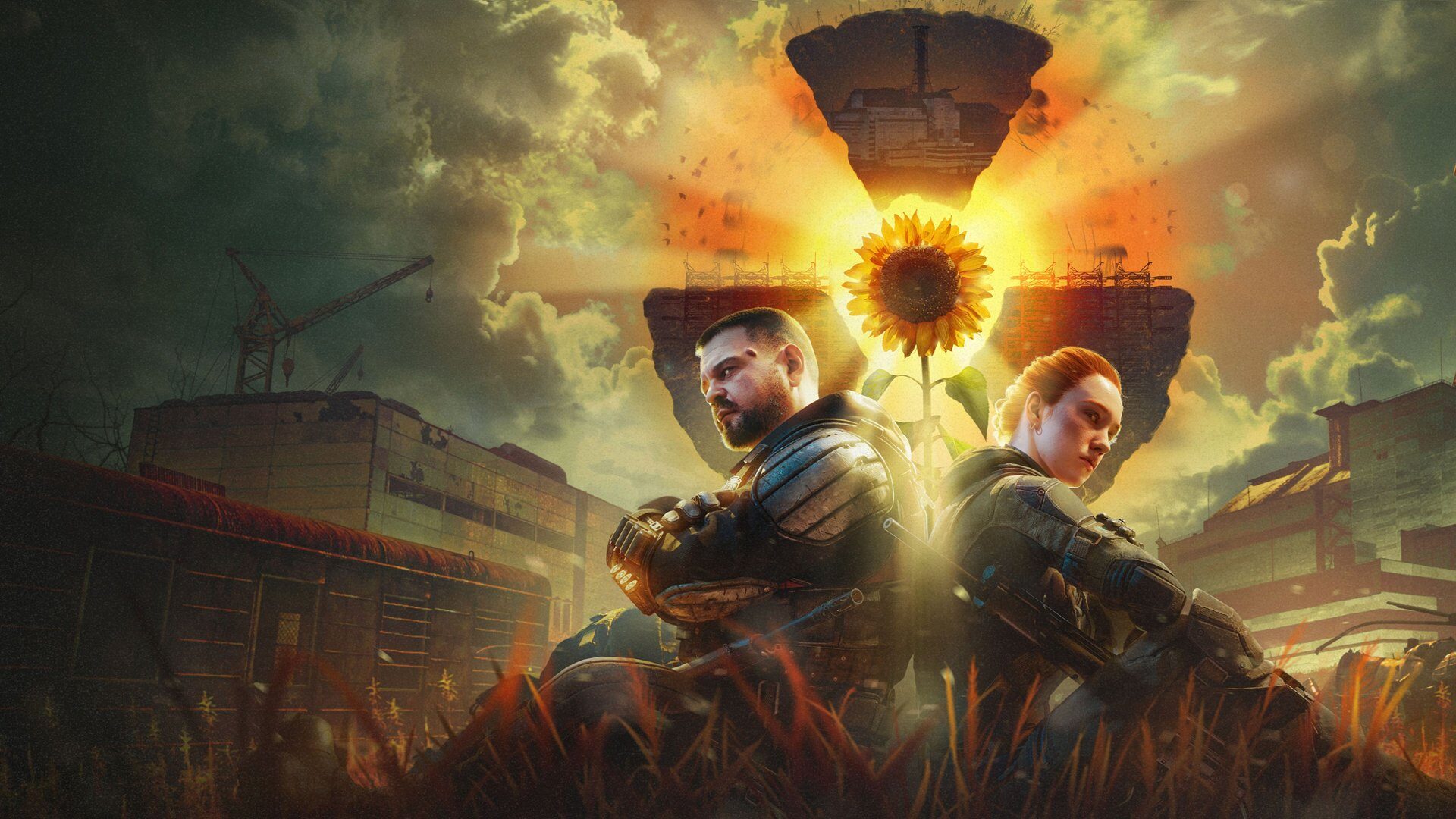
When GSC Game World reopened the Zone in 2024, the studio already had enough to keep Skif busy without sending him back to the center. However, he still had two old acquaintances to bring face to face. Duty wants to contain the dangers of the Zone. Freedom considers that it belongs to those who venture there. They never had much to say to each other, but a truce still allowed them to live together. In S.T.A.L.K.E.R. 2 : Cost of Hope, this truce has run its course.
The first paid extension of Heart of Chornobyl appears on August 20, 2026 and takes place in the middle of the campaign. It takes us to the Iron Forest, to the power plant and to Lymansk, with missions that do not take the same turn depending on the chosen side. It also arrives on the day of the free 2.0 update. Leaving aside what the latter already brings to the base game, what has GSC done with this old war to make it worth the detour?
The truce will have held until then
Skif begins by looking for a way to enter the Iron Forest. There he finds Zulu, a man from Duty that regulars have already encountered in Call of Pripyat, and Mavka, the voice of the Rostok arena, who has contacts on the Freedom side. Their presence changes the way the game tells this conflict. Before choosing between two visions of the Zone, we meet two people who have good reasons to hold to theirs. Mavka, in particular, has more to say than faction rhetoric. The game is right to give Mavka time to emerge as a character before waiting for a decision from Skif.
All it takes is one decimated Freedom Squad for the deal to collapse. The confrontation in the rain between the leaders of the two factions gives this rupture a gravity that journal pages have never had. The two men can turn their backs on each other and walk away. Those who will have to hold the road and the buildings behind them are not so lucky. For a series that sometimes likes to have its issues explained at length by people around a table, there is something pleasing in seeing the game settle the question in a few lines.
Choosing a side changes the missions and the outcome of the expansion, without replacing that of the main game. There are enough differences to make the other branch worth a look. On the other hand, once the side is chosen, the story has a much clearer direction than the situation leads us to hope. We do not spend the campaign negotiating a third outcome. It’s a war story with two points of view, and it does very well when it takes the time to show what victory costs the people who participated in it.
From the Iron Forest to the power station
The Iron Forest lives up to its name. These are the pylons which dominate the region and cut up the terrain, which makes you want to find your way by eye rather than by monitoring the map. You can often see your destination from afar, but the anomalies and the relief quickly make the road longer. The first crossing does exactly what you would expect from a good trip in the Zone. We learn where we can cut, what is worth a detour and when to let it go. Then the story sends you back to the other side. By repeating the same paths, we are less impressed by the pylons and much more attentive to the distance that remains.
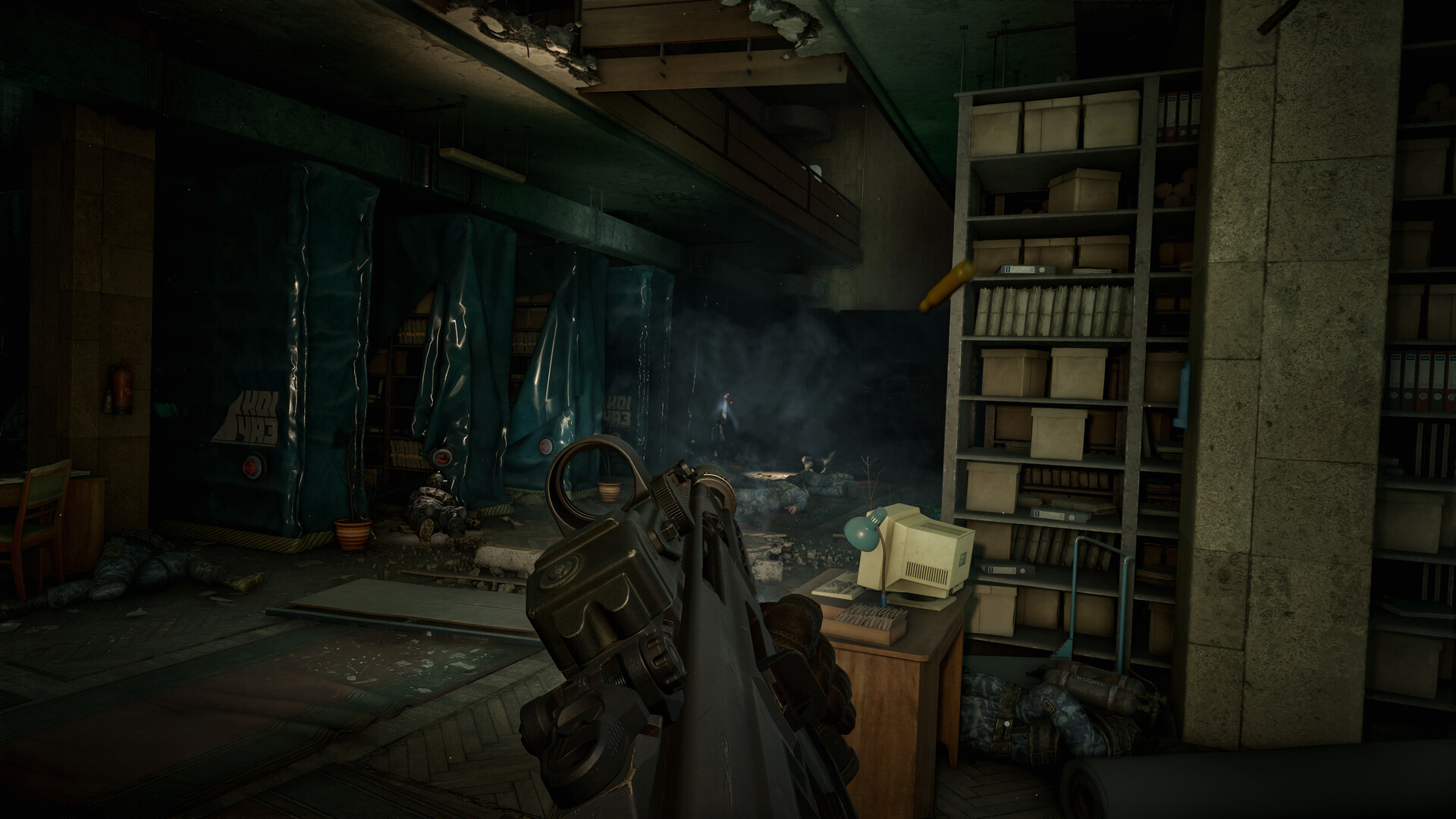
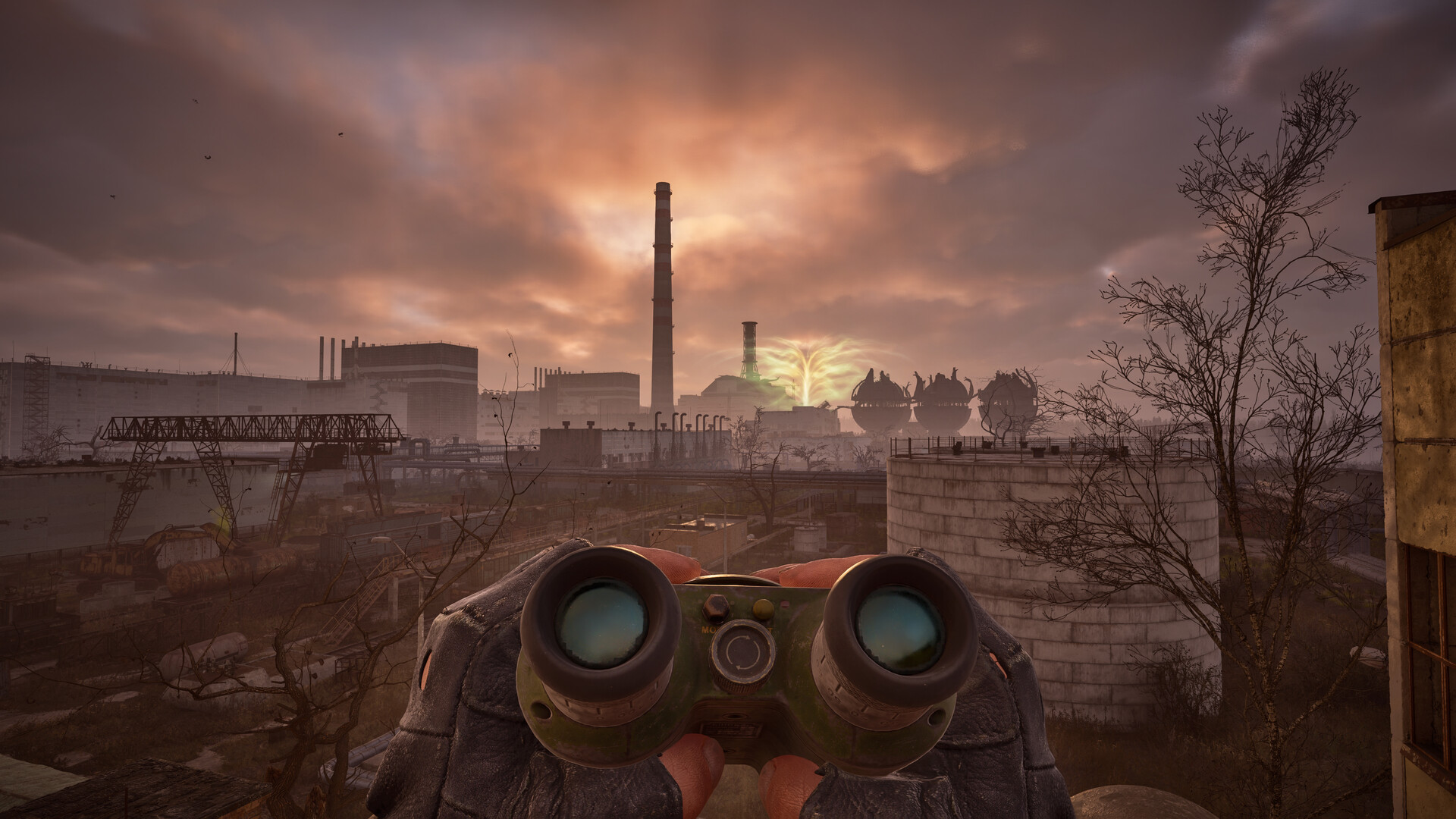
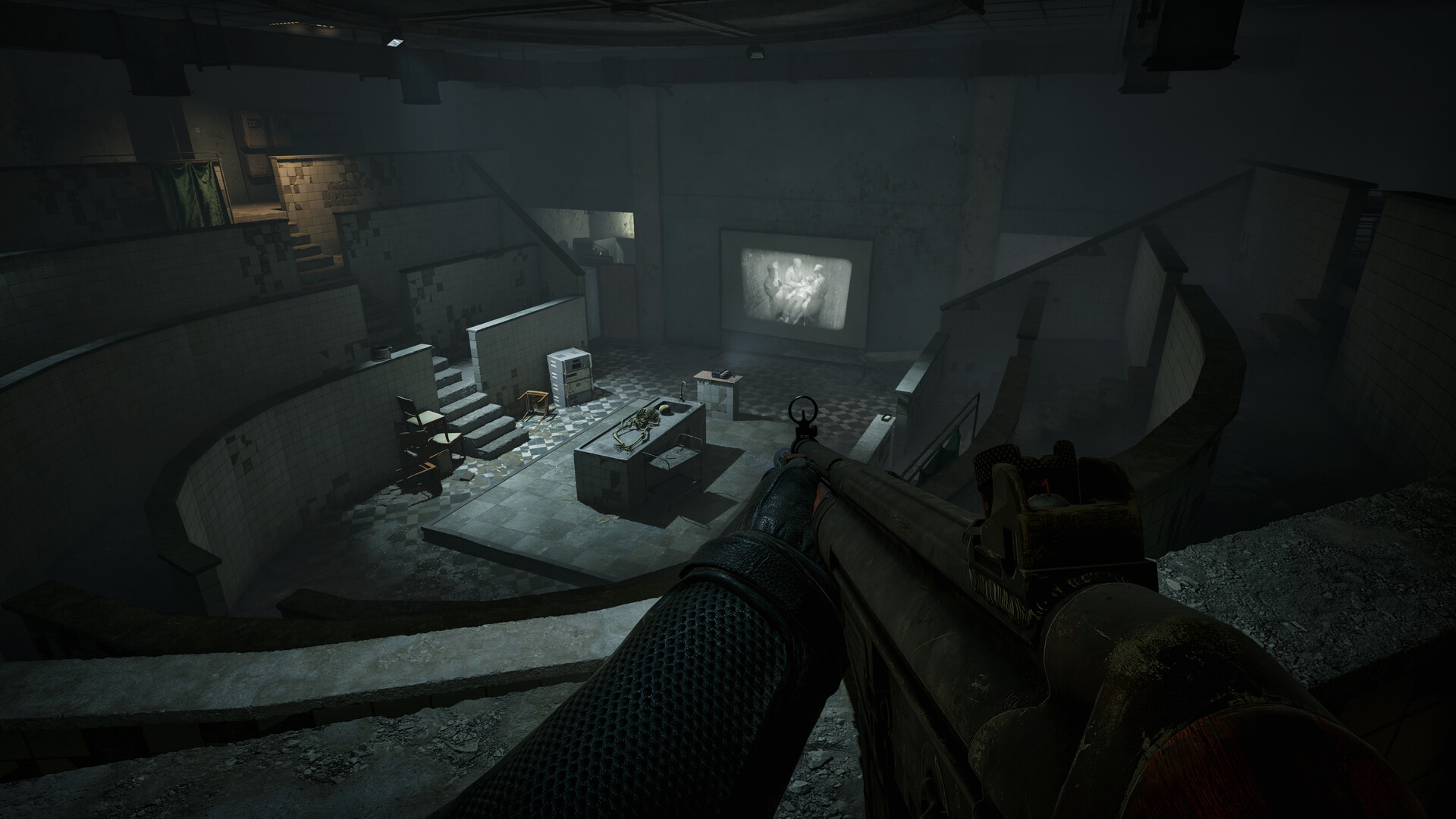
The power plant better justifies the move. Outside, we measure its size. Inside, it is the corridors, rooms and reactor facilities that dictate how to move forward. The sound again becomes more useful than the map as soon as an angle prevents you from seeing what is approaching. The Amok benefits from these tight spaces, at least initially. But when a blow goes further than the mutant’s movement suggests, fear quickly gives way to annoyance. The places remain convincing. Lymansk even allows itself to twist its architecture quite frankly so that the old reflexes of exploration are no longer enough. This is more interesting than further expanding the list of weapons or the size of the map.
What we really pay
There is no need to redo the entire campaign. The DLC opens in two stages: a first part shortly after the Lesser Zone and the rest after progressing in the main story. You can resume a previous save at the point of no return or use one of the starting points offered in the menu. The advanced starting point avoids waiting for the second unlock, at the cost of choices already made in the main story. For those who already know Skif and his associates, it’s a good compromise. If you are new to the game, it is better to let the encounter with the two factions take its place in the campaign.
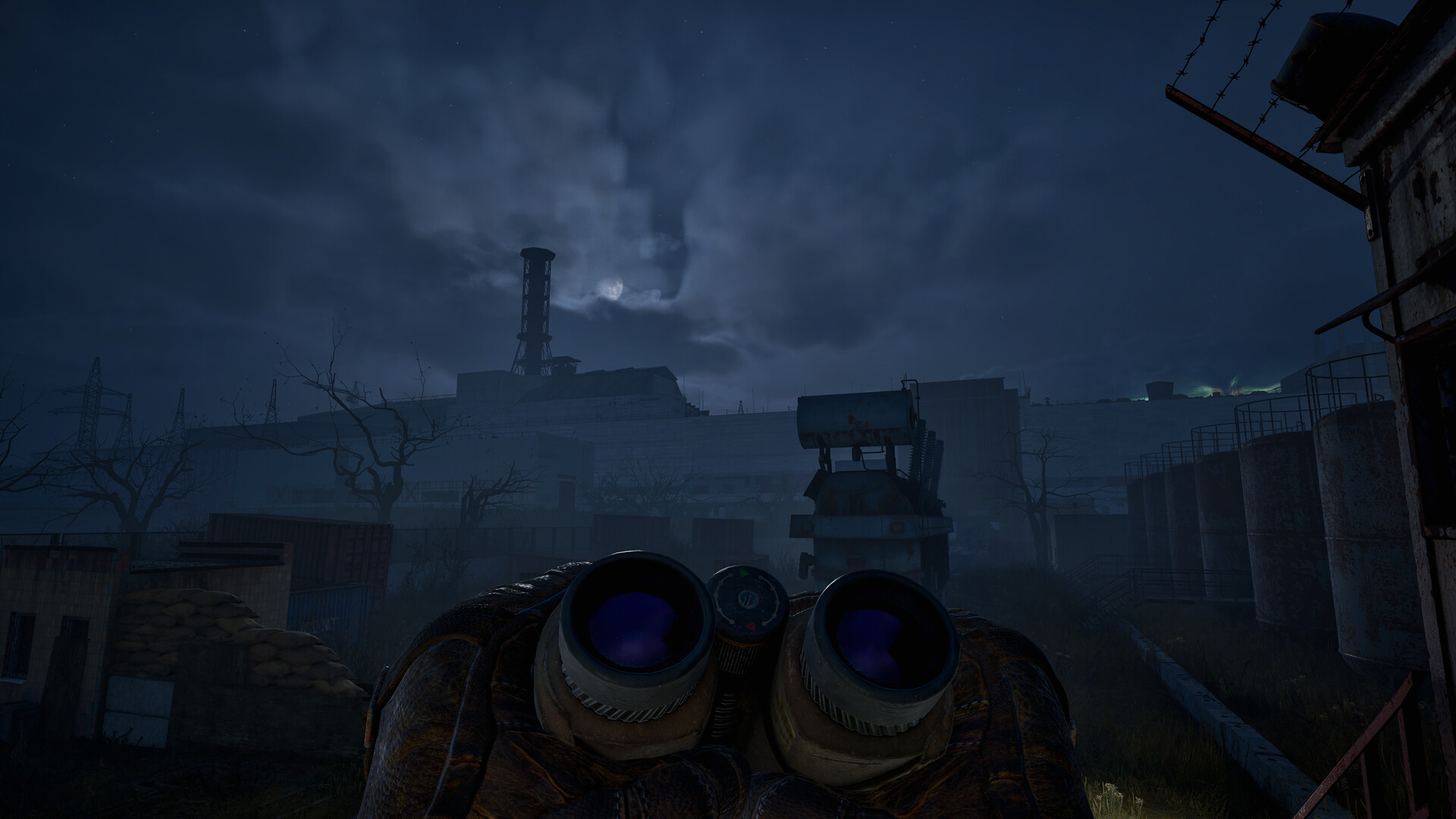
Sold separately for €29.99 and included in the Ultimate Edition, the DLC deserves to distinguish what it adds from what everyone receives. Binoculars, revised lighting and new difficulty settings aren’t just for those who purchase Cost of Hope. Update 2.0 is enough to take advantage of it. The extension is valid for the places to which it gives access, for this war which is played out differently from one camp to another and for the missions which use it. The contrast between the Iron Forest and the power station is enough to remind us of what GSC knows how to do when it builds a region around a way of moving forward rather than a number of hours to fill.
Verdict
A war worth returning for
8.5/10
Cost of Hope has a good reason to reopen the Zone. The quarrel between Duty and Freedom finally gives weight to Skif's decisions, and the power plant deserves more than a simple nod to the regulars. Between its corridors and the Iron Forest, GSC finds what makes Stalker strong: we take seriously the road that remains to be taken.
This route is sometimes too long, the Amok more painful than frightening once the first effect wears off, and the two branches do not make war a completely open affair. But if you come back for places to explore and a story that makes you want to see the camp opposite, the expansion has enough to justify the purchase. For the technical improvements alone, save your money and install the update.
Pros
- Two campaign branches which give real weight to the choice of camp
- The power station and Lymansk are changing the way you explore
- Zulu and Mavka add depth to the conflict
- Direct starts which avoid restarting the start of the game
Cons
- The Iron Forest requires too many trips back and forth
- The reach of Amok attacks is unclear
- The story becomes more directed once the side is chosen
More in Video games
Full library 8.5/10
Warhammer 40,000: Boltgun 2
PC 8/10
Halo: Campaign Evolved
XBOX 9/10
Dragon’s Dogma 2: Dark Arisen
XBOX 7/10
Brigandine Abyss
XBOX 6/10
The Walking Dead: Streets of Survival
XBOX 8/10
Onimusha: Way of the Sword
XBOX 7/10
HOT WHEELS Infinite Rush
XBOX 7.5/10
The Lord of the Rings: War in the North – Legacy Edition
XBOX 8/10
Verho – Curse of Faces
XBOX 10/10