


Brigandine Abyss
A war that loses ground
Score: 7/10
Images and videos
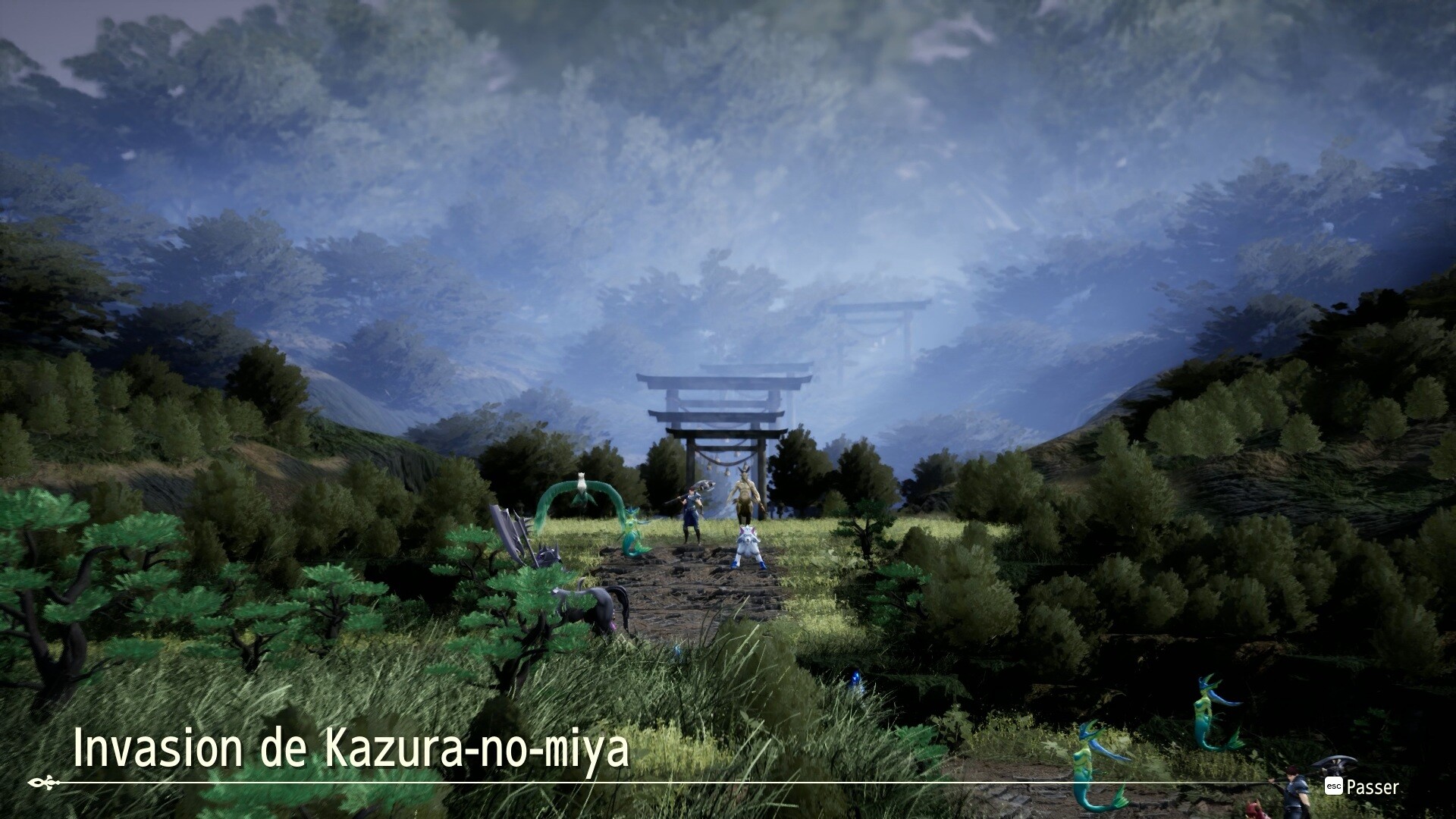
At a glance
We liked
- Alternating front preparation and battles gives army choices weight.
- Varied leaders and monsters with a useful combat Support system.
- Terrain and squad retreats create interesting tactical possibilities.
- A Mission mode with 24 nations whose objectives change priorities.
We liked less
- Predictable AI and battles that too often encourage eliminating the enemy leader.
- Needlessly laborious unit transfers and menus.
- Campaigns with uneven and sometimes overly directed stories.
- Modest visual presentation and motion blur that cannot be disabled.
 By Farrel Grimwood · published · 7 min read
Contents
A fortress has just fallen. Before taking the next one, leaders must be repositioned, squads rebuilt and defenders chosen for the lands already conquered. It is within these preparations that Brigandine Abyss unfolds its plot. Adglobe’s new game combines a war map, where every position matters, with turn-based battles led by knights and the monsters under their command.
This little-known series returns with two ways to play. Six campaigns tell of different peoples resisting the Abyssloa Empire; Mission mode then opens the choice to 24 nations, each with its own victory condition.
On Xbox Series X|S, the offering can keep strategy enthusiasts occupied for a long time. It also asks that a substantial portion of that time be devoted to menus, unit movements and battles whose outcome sometimes depends more on the opponent’s weaknesses than on a fine plan.
Does this new Brigandine make the war it asks players to organise compelling, or does it get lost in its own procedures?
A war across two maps
The continent of Meltitea is divided into nations and strongholds. Choosing a territory to attack is only half the work: leaders sent to the front cannot guard an exposed border elsewhere. Each season therefore alternates between an organisation phase and an invasion phase. The first involves recruiting, equipping troops, developing bases and sending certain leaders exploring for money or materials. In the second, armies move and fighting begins.
That division gives every preparation a practical consequence. Sending a leader to find a rare resource may allow a fortress to be upgraded next turn. During the absence, however, that leader will be missed if the fortress is attacked. Similarly, accumulating monsters is pointless if nobody is available to command them. The game requires simultaneous thought about the coming battle and the territories left behind.
It remains more accessible than a large political strategy game. There is no sprawling diplomacy to master before moving the first troop. Decisions mainly concern army composition, base growth and the next front. That simplicity makes the loop easy to understand, but also reduces the available solutions when war drags on. The same efficient preparations often end up repeated season after season, without much variation.
Monsters give battles substance
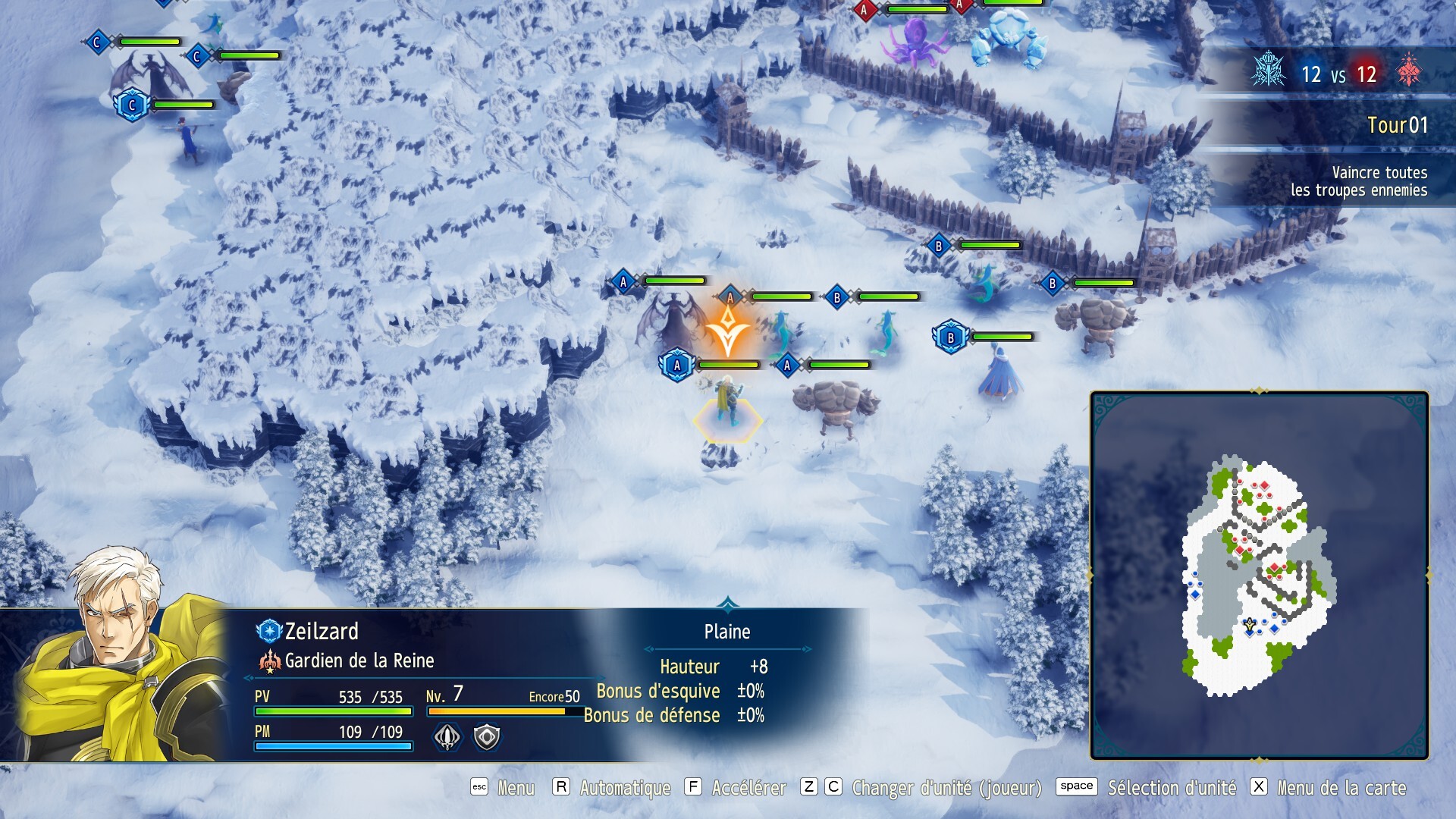
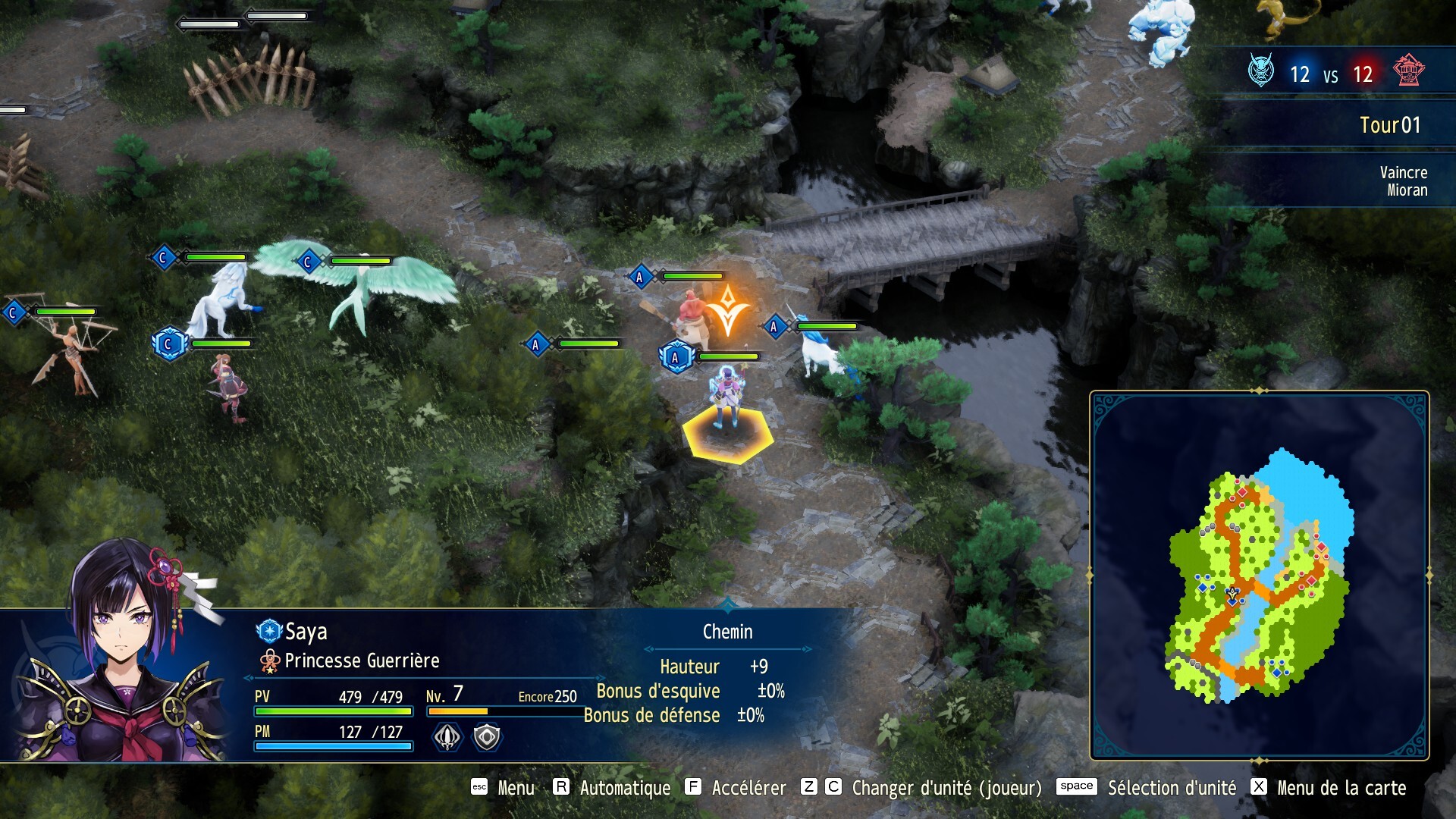
Battles take place on a hexagonal grid. Each side can field up to three leaders, each accompanied by a maximum of five monsters. Creatures fill different roles: holding a line, attacking at range, healing or exploiting a terrain type. Hexes are more than simple positions. Height, obstacles and ground effects change possible routes and the value of a position. Elemental affinities also make certain attacks more effective against particular targets.
The leader is the squad’s weak point. If defeated, all monsters under that leader’s command also leave the battlefield. Commanders therefore need protection without being locked away at the back of the map. One sturdy unit can block a passage while another seeks an enemy leader’s exposed flank. Units’ zones of control, which hinder enemy movement around them, give that positioning work weight.
The Support system adds a welcome decision. A leader can merge a monster into their unit to benefit from a particular ability. A dragon, for example, increases mobility; a fairy restores some magic points each turn. The point is more than raising a statistic: it means deciding whether the bonus is worth temporarily losing a fighter from the map. Encounters gain depth through those trade-offs more than through the spectacle of attacks.
An enemy too easy to read
The variety of units promises varied situations, but battle objectives are very similar. Since eliminating a leader causes the whole squad to retreat, concentrating damage on that target quickly becomes the most efficient answer. Once that habit is established, enemy creatures can seem less threatening than their numbers suggest. Some victories owe more to exploiting that rule than to fully mastering the terrain.
The artificial intelligence does too little to counter this weakness. Defending forces often wait for a unit to come within range, while other opponents choose poor targets or expose their commander. The game can thus demand considerable attention when preparing an army, then offer relatively weak, mechanical resistance in battle. Increasing difficulty does not correct that behaviour; stat differences and hit chances simply play a larger role.
The ability to bring back units lost in battle also makes casualties less permanent than the presentation suggests. That is welcome while learning the rules, especially during a long campaign. In exchange, a positioning mistake leaves a less lasting mark on the army. Brigandine Abyss thus oscillates between making every decision matter and allowing the player to recover from defeat.
Six stories under the same threat
Story mode offers a choice of six peoples resisting Abyssloa. The nation of Gran Dragnica, for example, defends the dragons on which its way of life depends. The Scarlet Will mercenary company follows Garnet, who takes up her father’s fight. These starting points give different stakes to a shared war and make the continent approachable without knowing the series’ earlier entries.
The narrative benefits from more character scenes than The Legend of Runersia. That does not make each of the six campaigns as developed as an RPG focused on a single group. The Empire provides a clear opponent, but its representatives and their motivations remain fairly basic. Dialogue establishes context, then the next battle quickly takes over. The game knows why a nation fights; it struggles more to bring its members to life beyond that function.
The scripted framework also limits some of the freedom promised by the map. Certain confrontations wait for a specific event instead of being triggered through an ordinary invasion. That allows a story to be told in the intended order, but conflicts with the pleasure of looking at a border and deciding when to cross it. Story mode serves learning and characters; it does not always exploit the strategic formula best.
Mission mode sets the game free
Mission mode reuses the map and armies with 24 nations available. Each faction has a starting position, a short context and a particular objective. Some must conquer the continent; others must gather resources, defend strongholds or repay a debt. That change in victory condition is enough to alter preparation priorities.
An indebted nation cannot spend like a power embarking on conquest. A mission requiring bases to be protected encourages keeping leaders in reserve rather than sending all the best units to one front. The mode therefore makes better use of management than the more directed campaigns. It also provides a real reason to start again after understanding the systems.
That generosity still requires enjoying the game’s core. Twenty-four different starting points fix neither repetitive menus nor predictable opponents. Objectives change preparation more reliably than the nature of encounters. For army-building enthusiasts, there is plenty to return to for a long time.
Menus that complicate logistics
Brigandine Abyss requires keeping track of many units. Leaders gain levels, change class, equip items and move between bases. Monsters also evolve, with a command limit preventing five powerful creatures from being stacked behind just any leader. That investment gives trained troops value. A unit that has survived several offensives is easier to remember than a soldier recruited just before battle.
Management becomes less enjoyable when the task is simply moving those units around. Recruiting a monster at a base, assigning it to a leader, moving that leader and then rebuilding the squad takes too many steps. The same weight returns with equipment and exploration, season after season. These operations have strategic importance, but their execution occupies a disproportionate amount of time. Across a campaign, a few unnecessary inputs quickly become dozens.
The game would have benefited from distinguishing decisions more clearly from administrative tasks. Choosing to strip a border of defenders to strengthen an attack is interesting. Passing through several screens to transport the necessary monsters is much less so. The interface does not destroy Brigandine Abyss’s depth; it simply makes using that depth more tiring.
The Xbox version holds up
On Xbox Series X, two settings prioritise either graphical quality or a target of 60 frames per second, with compromises in scenery and effects. The version also supports Quick Resume, useful for returning to a long campaign without revisiting the opening menus. It does not support Xbox Play Anywhere.
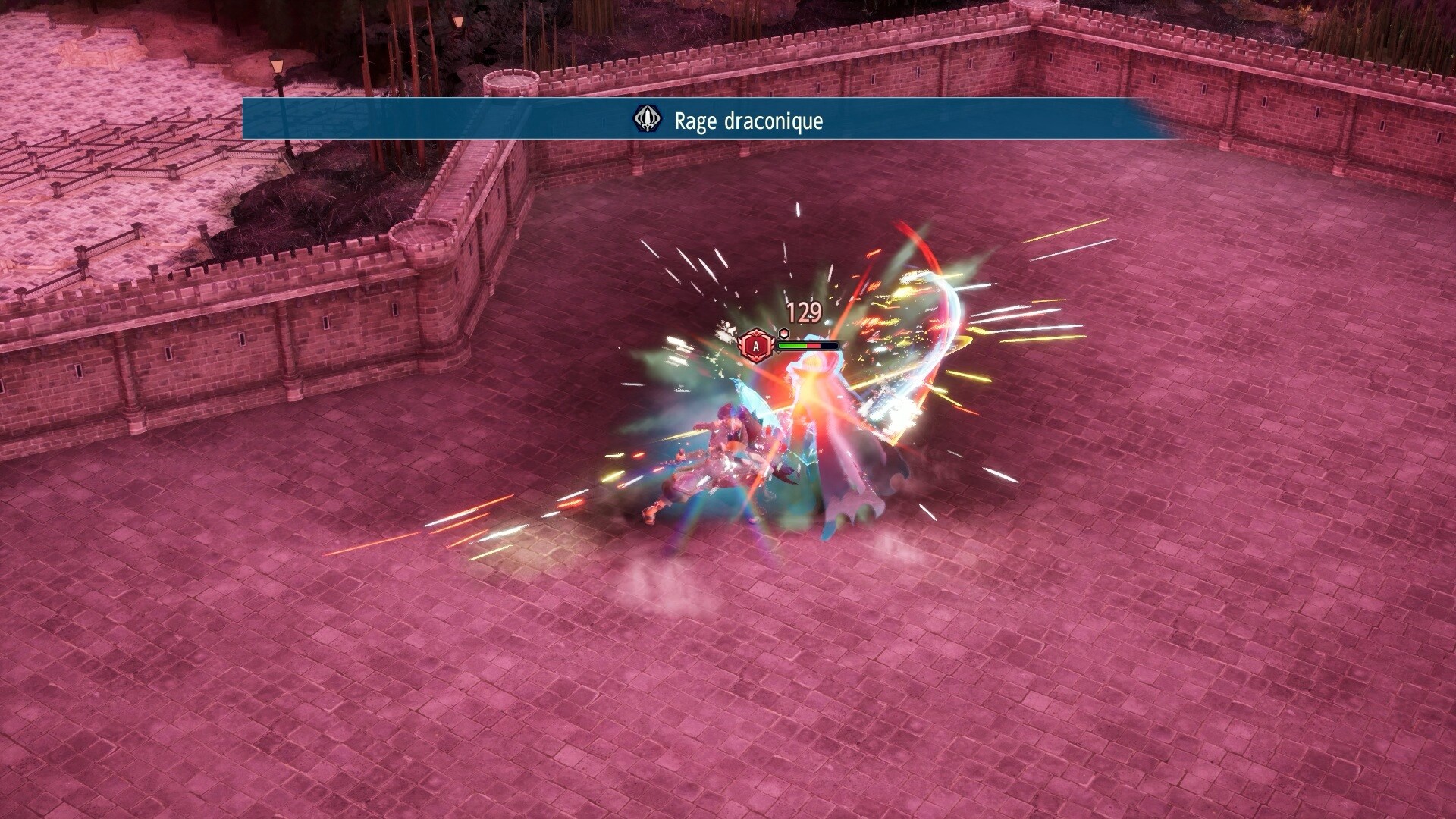
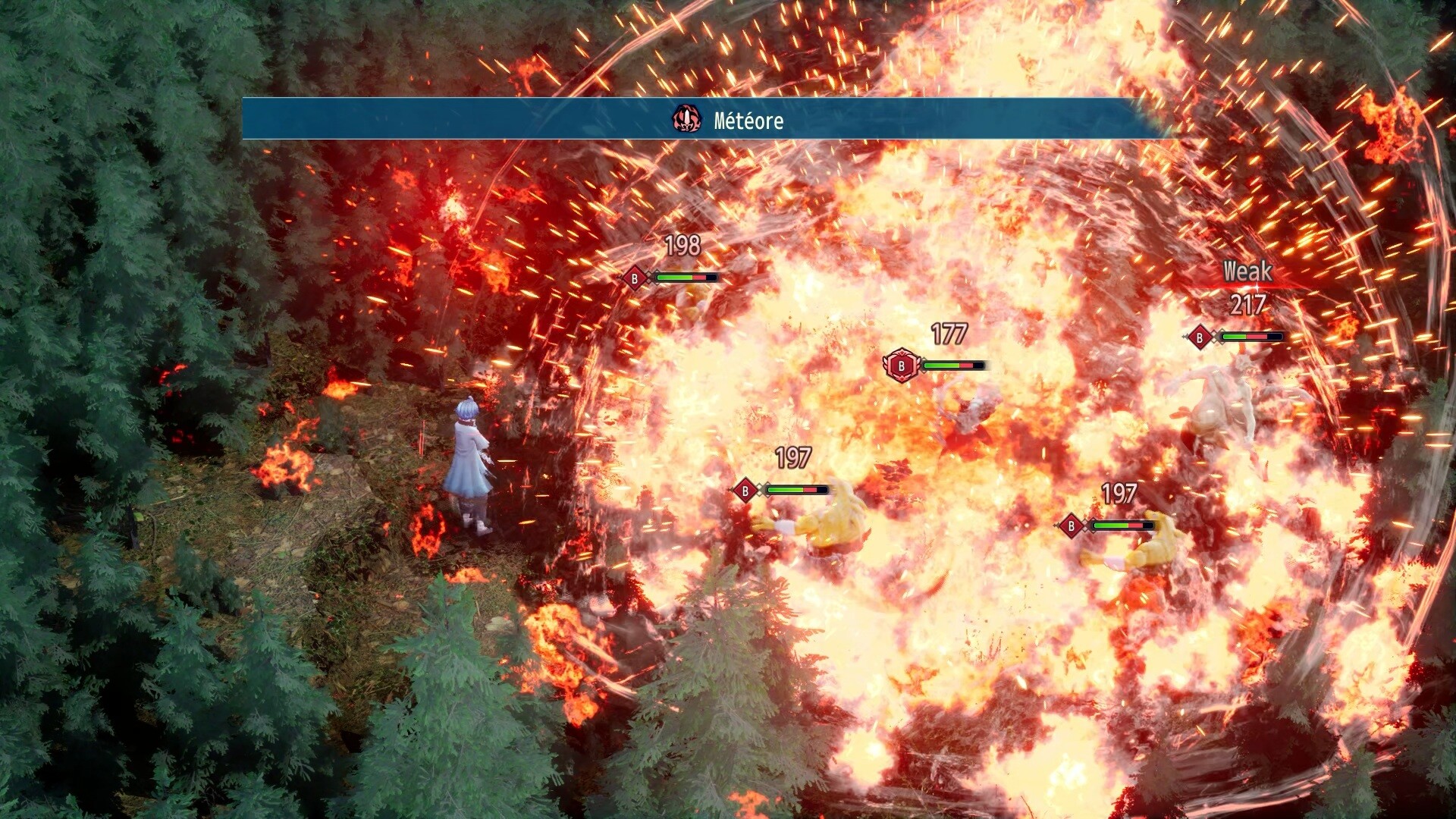
Choosing a graphics mode does not resolve the main visual weakness. Maps gain depth through 3D, but ordinary soldiers look alike and portraits do not always match the battle models. Forced motion blur on Series X adds an irritation that cannot be removed. The orchestral music gives scale to encounters whose animations remain rather limited.
French text and subtitles are available, but the text is far too small to enjoy on a television, as if the game had primarily been optimised for PC. Voices remain Japanese, with no localisation.
Verdict
Good battles, poorly calibrated
7/10
Brigandine Abyss retains what gives the series character: preparing several fronts, developing leaders and building monster squads capable of changing a battle’s course. Terrain, affinities and Support provide real tactical choices. Mission mode then supplies a solid reason to reuse those systems under different conditions.
The war nevertheless loses force when the AI becomes too easy to read and targeting leaders turns into the answer to every situation. The campaigns tell less than they promise, presentation lacks personality and management requires far too many inputs. It is a tactical RPG worth recommending for its mixture of conquest and army building, but not a sufficiently accomplished return to make its weaknesses forgettable or challenge the heavyweights.
Pros
- Alternating front preparation and battles gives army choices weight.
- Varied leaders and monsters with a useful combat Support system.
- Terrain and squad retreats create interesting tactical possibilities.
- A Mission mode with 24 nations whose objectives change priorities.
- French text.
Cons
- Predictable AI and battles that too often encourage eliminating the enemy leader.
- Needlessly laborious unit transfers and menus.
- Campaigns with uneven and sometimes overly directed stories.
- Modest visual presentation and motion blur that cannot be disabled.
- Text that is too small.
More in Video games
Full library 8/10
Culdcept Begins
SWITCH 9/10
Total War: Warhammer III – Lord of the End Times DLC
PC 9/10
Dragon’s Dogma 2: Dark Arisen
XBOX 6/10
The Walking Dead: Streets of Survival
XBOX 8/10
Onimusha: Way of the Sword
XBOX 7/10
HOT WHEELS Infinite Rush
XBOX 8.5/10
S.T.A.L.K.E.R. 2: Cost of Hope
XBOX 7.5/10
The Lord of the Rings: War in the North – Legacy Edition
XBOX 8/10
Verho – Curse of Faces
XBOX 8/10