
Castlebound
A walking castle for four to defend
Score: 7/10
Images and videos


At a glance
We liked
- Defending the castle makes positioning matter
- Cards that change how the heroes fend off attacks
- Local co-op for up to four players working toward a shared goal
- Paper-cutout silhouettes and a varied cast of creatures
We liked less
- The need to unlock upgrades slows down the opening
- Boss fights drag on too long in co-op
- The ranged heroes play too much alike
- No online co-op on Nintendo Switch 2 at launch
 By Farrel Grimwood · published · 4 min read
Contents
In Castlebound, the castle moves on its own. The heroes leap from platform to platform to intercept monsters rushing its walls. Released on November 11, 2026, for Nintendo Switch 2, Ogre Pixel’s action platformer builds its adventure around that escort, with room for one to four players on the same console.
Every defeat sends the party back to the start with coins to spend on upgrades. Along the way, cards change how the heroes attack. The game hinges on how those two rhythms fit together. In the thick of a fight, there’s a second to decide which threat to stop. Between runs, it can take several attempts to afford the upgrades needed to get further. How long does defending this castle stay fun when progression keeps sending the party back?
The castle awakens
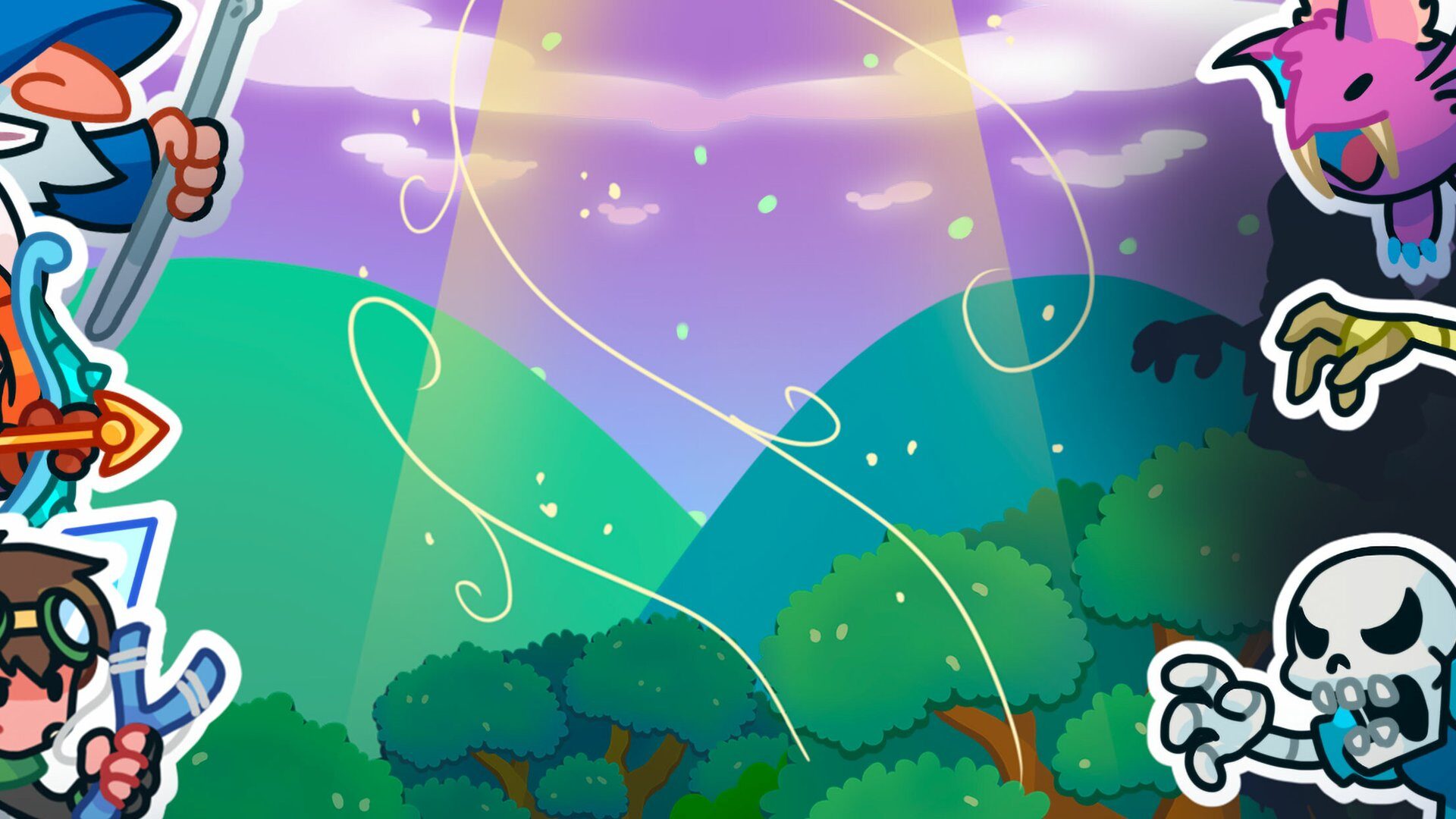
Lenora, an archer, and her grandfather Vargus awaken an ancient building. It gets up and walks. Coronya then guides them as they look for allies to fend off the creatures threatening the kingdom. Quinn fights with a slingshot, a knight wields a sword, and Vargus handles the magic.
The story gives the party a reason to set out, then makes way for the attacks. The castle alone gives this simple story some weight. Once the fortress is on the move, the fate of the kingdom comes down to something easy to grasp. Every monster that slips past the heroes can chip away at the castle’s health.
Two health bars
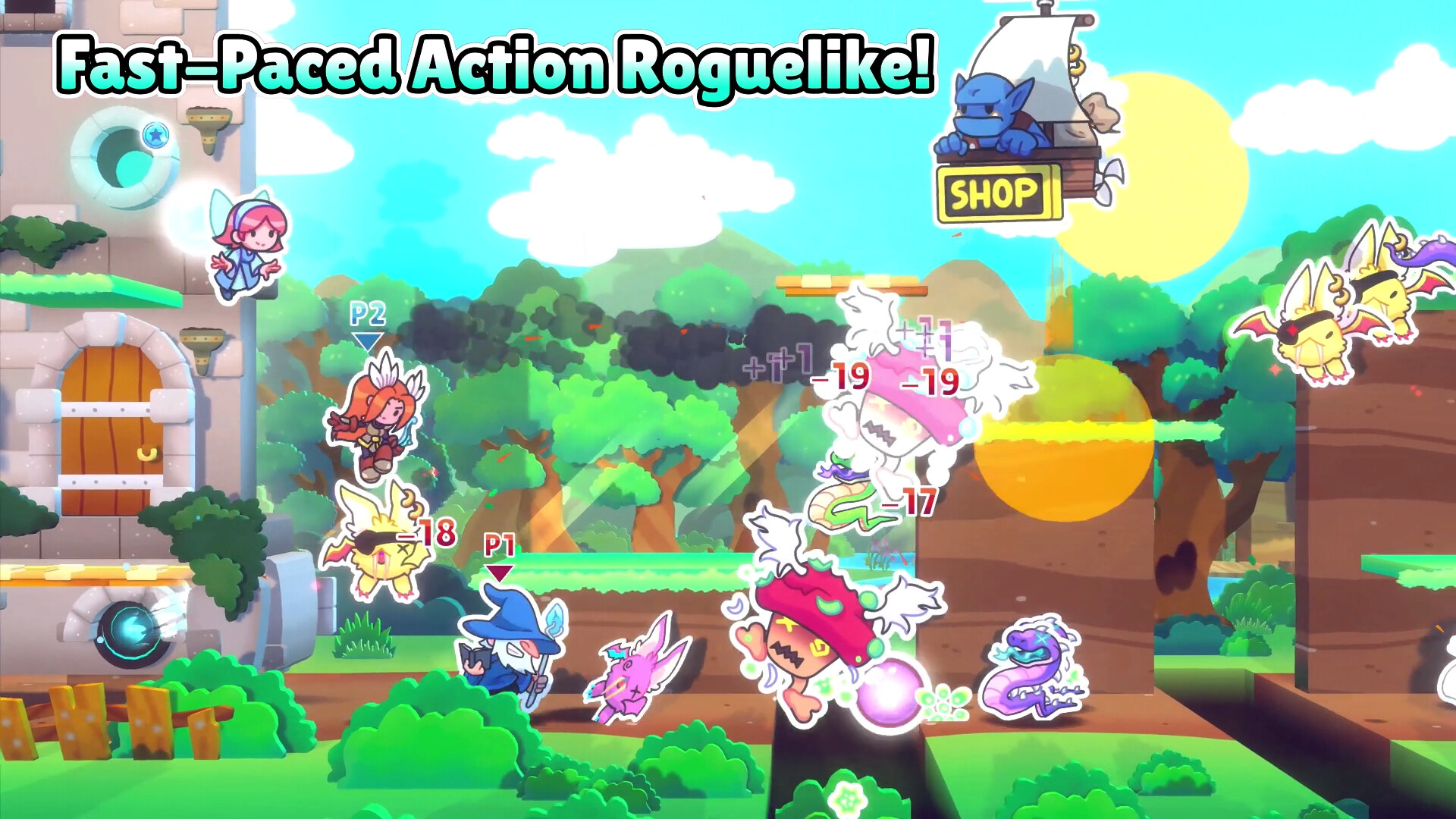
The scenery scrolls by while the fortress stays on the left side of the screen. The fighters and the castle have separate health bars. Taking the high ground gives the heroes an angle on incoming enemies. They also have to drop back down in time when a creature sneaks along the ground. A successful dodge keeps the hero safe. The enemy that just slipped past still has to be stopped. That constant shift in priorities keeps the waves lively.
The knight has to get close to land a hit. That alone means leaving a comfortable position more often to cut off an enemy. Lenora’s bow, Vargus’s magic, and Quinn’s slingshot each fire different projectiles, but all three heroes spend much of the journey jumping and firing nonstop. Cards give their attacks more variety. An explosive arrow can hit several enemies clustered together. An extra familiar helps Vargus cover another spot. Those choices make an immediate difference to the defense.
The cost of retrying
Runs earn coins even in defeat. The coins can increase the heroes’ rate of fire or maximum health and unlock some of the cards offered along the way. The system gives the party something tangible each time it returns to the castle. A faster rate of fire helps stop a wave before it reaches the walls. A new card can offer a different way to handle the next one.
The opening asks for too many trips through the first region before those options start to open up. The first boss is already a jump in difficulty. Once the party knows the attack patterns and still can’t deal enough damage, repeat runs are mostly a way to pay for upgrades. Arcade Mode offers a change of pace once unlocked. Its endless course turns up the pressure as enemies multiply, giving the party a reason to come back beyond the campaign’s next obstacle.
Four against the bosses
Local co-op is at its best during the waves. One hero can guard the platforms while another intercepts enemies near the castle. The heroes swap positions as new enemies arrive, and everyone can see where help is needed when the fortress takes a hit. On Switch 2, co-op takes place on a single console. With no online mode, the group has to get together in person.
Bosses take too long to go down in co-op, even after several offensive upgrades. When a fight repeats phases the party already knows, coordination gradually gives way to endurance. That weighs especially heavily on groups with players of different skill levels. The controls are quick to learn, but a fight that drags on gives everyone more chances to lose track of what’s happening.
A paper tale
The characters look as if they were cut out of paper. Their light outlines set them apart from the scenery, where lighting and shadows give depth to layers of flat drawings. That choice also helps in combat. In the graveyard, it’s easy to tell the silhouette of a raven in flight from a hand reaching out of the ground. The two threats come at different heights and call for different responses. From the forest to the volcano, each change of scenery brings new creatures to watch for. French text is available at launch on Nintendo Switch 2.
Verdict
A good escort that demands too many retries
7/10
Castlebound’s best idea is a castle that keeps moving while everyone fights. Its health bar gives the party a reason to watch both the platforms and the ground, and co-op comes into its own when four heroes share that job. The most inventive cards change how the castle is defended, while the cutout silhouettes give the regions character and make attacks easier to read.
The opening takes too many repeat runs before the systems get a chance to shine, and bosses in co-op drag out fights the party has already figured out. Castlebound is still a good action game to share on the couch. The escort is more compelling in the rush of a wave than during the long retries the game’s balance demands.
Pros
- Defending the castle makes positioning matter
- Cards that change how the heroes fend off attacks
- Local co-op for up to four players working toward a shared goal
- Paper-cutout silhouettes and a varied cast of creatures
Cons
- The need to unlock upgrades slows down the opening
- Boss fights drag on too long in co-op
- The ranged heroes play too much alike
- No online co-op on Nintendo Switch 2 at launch
More in Video games
Full library 7/10
Joe & Mac Retro Collection
SWITCH 8.5/10
The Disney Afternoon Collection
SWITCH 8/10
King of Meat
SERIES 8.5/10
Village in the Shade
SWITCH 5.5/10
Warrior Cats: Clans of the Forest
SWITCH 6.5/10
Demons’ Night Fever
SWITCH 8/10
Culdcept Begins
SWITCH 5/10
The Witch’s Bakery
SWITCH 6/10
Qliphah in Providence’s Shadow
SWITCH 8/10