The Western RPG refuses to die
 By Farrel Grimwood · published · 19 min read
Contents
- The builders before the heirs
- Before Fallout, the Forgotten Realms
- Fallout, the return to the table
- Troika, or the games that wanted too much
- The Europe of rough worlds
- The present is not just a nostalgic return
- Margins, even when they fail
- Tabletop is not a sideline
- Novels have taken over the experience bars
- The Western RPG does not die, it evolves
The Western RPG has a rather strange way of surviving. It is regularly believed to be too old, too slow, too talkative, too complicated for a market that likes things more immediate, less subtle. Then a game comes back, sometimes huge, sometimes tiny, and reminds us that the genre never really disappeared. It changes shape. It hides in an action-RPG, in an old-fashioned CRPG, in a survival game, in a LitRPG novel, in a tabletop role-playing game supplement, but it continues to ask the same question: what place can the player take in a world that existed before him?
This is not a new question. It’s even one of the oldest in video games. But maybe that’s why it’s held up so well. The Western RPG is not only based on levels, skill trees or inventories filled with improbable objects, but on a more fragile promise: making people believe that our decisions, our errors, our alliances and our renunciations have left traces, will have consequences. This is one of the major differences with other forms of role-playing games, the JRPG in the lead, which has no other outcome than to tell a story from start to finish.
This is what the latest tribute to the Spiders studio reminded us, in another way. Spiders was not the cleanest studio, nor the richest, nor the most consistent. But it belonged to that family of developers who try to make worlds too big for them. Worlds with visible seams, but also with a real desire to give weight to the player. The genre needs these studios. Not just giants who can polish everything.
The Western RPG is largely born from the tabletop role-playing game, crosses the PC, explodes with BioWare, Black Isle, Bethesda, Troika, Obsidian, then disperses. A part becomes AAA. Another remains faithful to the indie scene. A third settles in the European AA, rougher, drier, sometimes more endearing precisely because it cannot hide everything. And today, it is often these fringe studios that remind the genre of what it can still be.
It remains to be seen why it is still holding on. Why Baldur’s Gate 3 can become a global phenomenon while games like Drova, SKALD, Tainted Grail, Norse, Dragonkin: The Banished or Blood of Mehran continue to exist in much smaller spaces. Why do franchises born at the table flowing towards video games, while video games like Fallout are returning to the table? Why the novels themselves now borrow their systems, their levels, their classes and their progression loops from the RPG.
The answer may be there: the Western RPG is not just a genre. It’s a unique way of thinking about adventure.
The builders before the heirs
Before talking about Troika, BioWare, Obsidian or Spiders, we have to go back further. The Western RPG did not appear all at once with the great PC classics of the 90s. It was built in layers, with creators who were not yet seeking to respect a tradition, since they were in fact in the process of inventing it.
Richard Garriott is probably one of the most important names in this history (and video games in general). With Akalabeth and then Ultima, he not only sets out dungeons, monsters and statistics; he begins to think of the world as a moral space, made up of choices and consequences. Ultima IV remains essential for this reason: the player does not only seek to defeat an existential evil like in a Final Fantasy, but to become worthy of a certain idea of virtue. From then on, the RPG no longer only asks if we are strong enough, but what kind of character we want to be and what compromises we are willing to make to achieve it. These are the beginnings of broader ideas, key words of the games later signed by Bethesda, of the morality system of Fable or of all the CRPGs of the 90s.
Alongside this moral line, Wizardry brings another matrix. Andrew Greenberg and Robert Woodhead do not construct the same relationship with the world as Garriott. Their legacy passes through the group, the dungeon, mental mapping, the fear of losing a character and this feeling of advancing square by square in a place that is unforgiving. Part of modern dungeon crawling still comes from this, even as interfaces have become friendlier. The series is not dead, a remake of the first opus having been developed by Digital Eclipse in 2024.
Jon Van Caneghem gives the genre another dimension with Might and Magic. Where Wizardry often locks the player in the dungeon, Might and Magic opens its frame towards the horizon. New World Computing sets up larger worlds, a mix of fantasy and science fiction, travel, cities, secrets, then a strategic branch with King’s Bounty and Heroes of Might and Magic. Van Caneghem reminds us that the Western RPG has never been just about storytelling, but also about maps, rhythm, exploration and group composition.
We should also mention Brian Fargo, Interplay, The Bard’s Tale and Wasteland. Fargo alone represents this tradition capable of circulating ideas between fantasy, post-apocalyptic, humor, tactics and narration. Wasteland is one of the great roots of Fallout, and The Bard’s Tale is one of the ways in which the Western RPG learned to exist as a popular adventure, to accept breaking its own codes in the name of humor and to grow in self-mockery.
Finally, there is the immersive branch, that of Paul Neurath, Warren Spector, Looking Glass, Ultima Underworld, System Shock, then Deus Ex. It is not always RPG in the strict sense, but it is a legacy impossible to remove from the table. First-person play, the systems which intersect, the multiple solutions, the worlds which react differently than with a simple line of dialogue: all this still irrigates Bethesda, Arkane, Obsidian and part of the modern RPG, even in the veins of Cyberpunk 2077.
Garriott wanted a moral world. Wizardry wanted a challenging dungeon. Van Caneghem wanted adventure and the map. Fargo wanted the band and the tone. Looking Glass wanted systemic immersion. The genre has survived because it never chose just one of these paths, but continued to grow, inspired by its elders, and especially by another game that, in one way or another, brought them all together around the table for countless hours.
Before Fallout, the Forgotten Realms
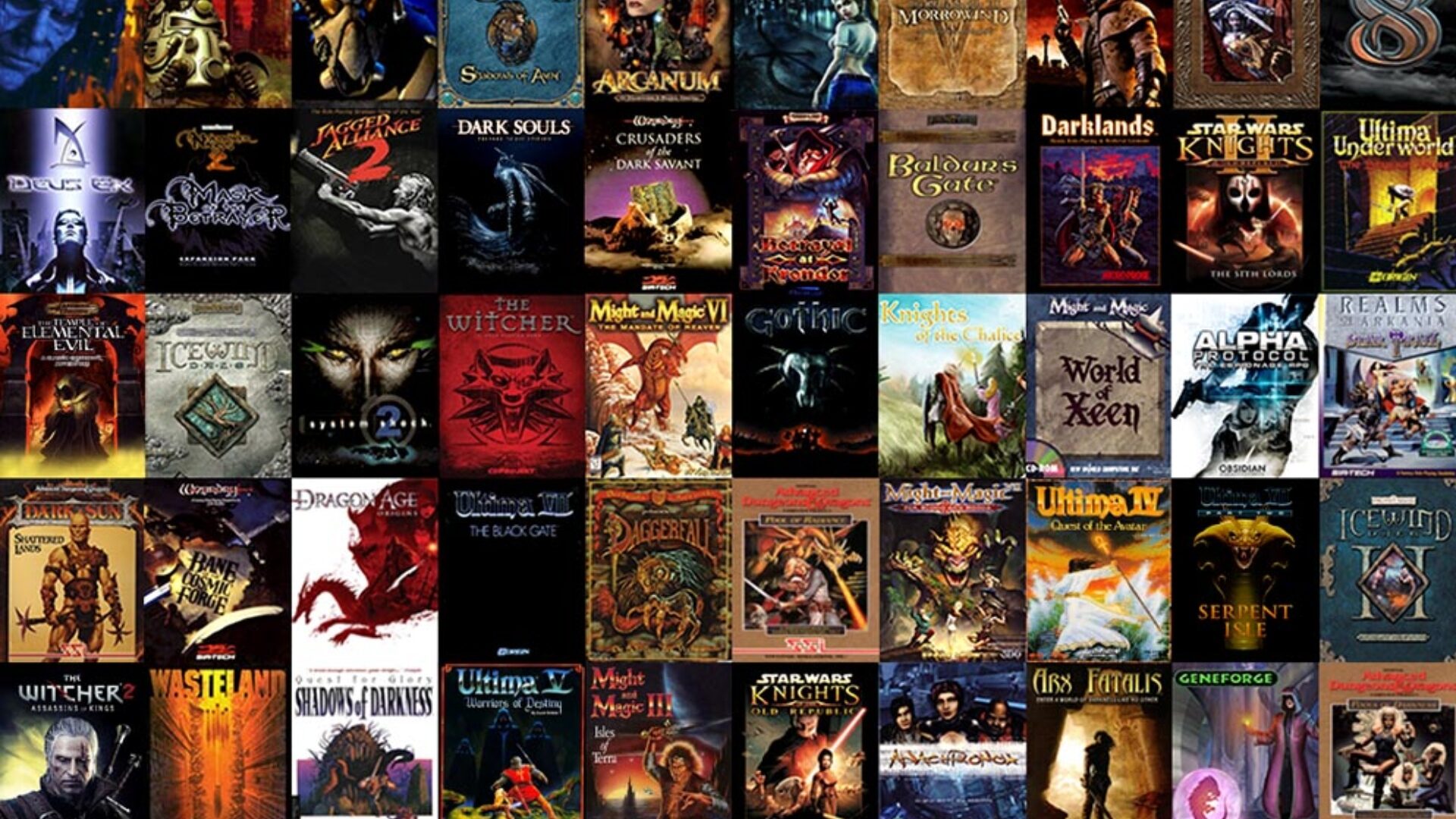
If one is looking for the direct tabletop roots of the Western RPG, one must look well back. On the side of Dungeons & Dragons, and more precisely Forgotten Realms. This is where many games learned their vocabulary: classes, races, dice rolls, companions, alignments, prepared spells, dungeons, side quests that sometimes become more memorable than the main plot. SSI’s Gold Box games, from 1988 with Pool of Radiance, Curse of the Azure Bonds, then Eye of the Beholder, Baldur’s Gate, Icewind Dale, Neverwinter Nights: all these titles have built a grammar that the genre has never stopped reuse. Already in 1979 with Akalabeth: World of Doom, Richard Garriott (him again) laid the foundations of this language inherited from the tabletop of which the majority of systems are still used today.
What matters is not just the D&D license, it’s the translation of a feeling. Around a table, a character is never just a weapon or a class. It’s a way to solve a problem. The thief does not read the world like the paladin. The mage does not cross a city like the ranger. A good Western RPG tries to maintain this difference. It does not just say: here is an obstacle. Rather, it asks: who did you come with, what did you learn, and how far are you willing to bend the rules to overcome said obstacle?
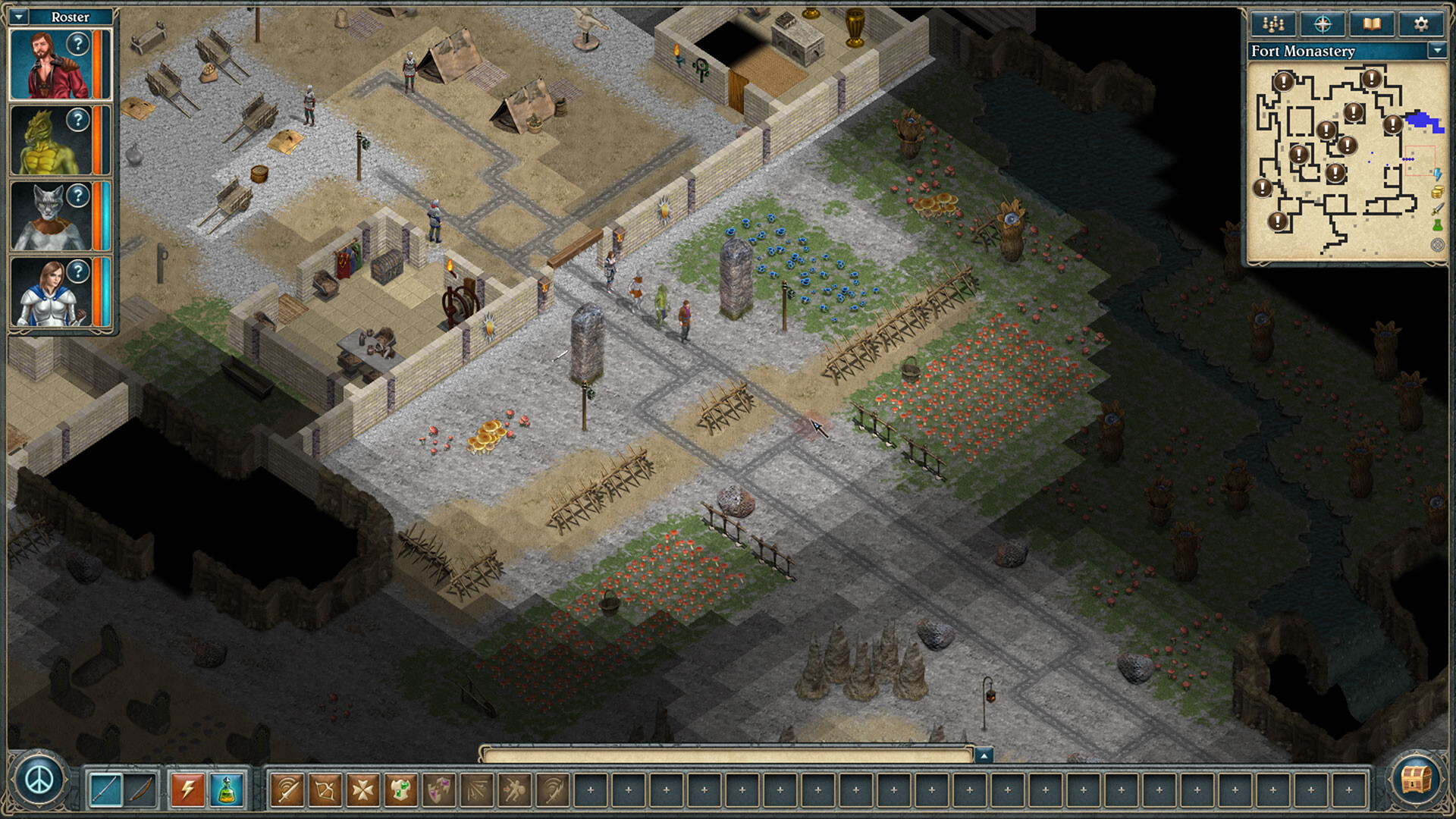
As we mentioned in the best CRPGs for the Nintendo Switch, the Western RPG, long associated with the PC, has been able to evolve (with difficulty) to find other platforms. Divinity: Original Sin 2, Pillars of Eternity, Wasteland 2, Shadowrun Trilogy: not all of them come from the same place, but share this idea that the player is not there to consume a story. He must take part in it, often laboriously, and take responsibility for his mistakes as much as his bad luck.
And perhaps it’s this heaviness that’s missing when the genre becomes too simple. A good Western RPG doesn’t need to be inaccessible, but it definitely needs to have staying power. Something that forces us to ask ourselves not only what we want to do, but with what means we agree to do it and what we are prepared to sacrifice to achieve it.
Fallout, the return to the table
Fallout is interesting precisely because it doesn’t follow the same path. It doesn’t leave the table to get to the video game. It does the opposite. It was born as a video game, became a post-apocalyptic RPG reference, then returned to paper with Fallout: The Roleplaying Game. This movement says a lot about the current era.
The tabletop role-playing game becomes a place where video game universes can breathe differently. In video games, Fallout is limited by its maps, its written dialogue, its scripts, its engine. At the table, it finds a form of the unexpected. The game master can invent a city, a cult, a shelter, a group of survivors, then let the players ruin everything with their decisions. It’s probably one of the best things that could happen to a universe so focused on chaos.
The supplement Winter of Atom goes even further, because it shows how a world from the video game can become real campaign material and free itself from all the constructions already known, in order to take the player out of their comfort zone. It’s not just about using logos, bottle caps, super mutants and power armor. You have to build tension, a territory, factions, dilemmas. In other words, we must give back to Fallout what was already its strength: a broken society that is not dead.
This return to the table is far from being an isolated case. Our file on RPGs adapted from video games by Modiphius even shows that some have made it their business. Dishonored, Homeworld, The Elder Scrolls, Fallout: so many universes that gain something when they leave the screen. The player is no longer just the one who follows a quest, he once again becomes the one who disrupts it.
This is where the Western RPG comes full circle. It borrows from the table, then gives back even more. It’s not a straight line, it’s a constant back and forth.
Troika, or the games that wanted too much
In this story, Troika Games has a special place. The studio didn’t last long, didn’t release many games, and never really experienced industrial tranquility. But it left behind three titles that say almost everything about the Western RPG: Arcanum: Of Steamworks and Magick Obscura, The Temple of Elemental Evil and Vampire: The Masquerade – Bloodlines.
Troika is the art of the game too full. Too many ideas, too many systems, too many ways of approaching a quest, too much fragility too. Arcanum pits magic and technology in a steampunk world that doesn’t just pose two aesthetics side by side. It turns it into a social, philosophical and profoundly human conflict. For connoisseurs, the title is often cited among the best CRPGs… but also the most broken. Playing it without the additions of the community patch ensures a great and forever incomplete, practically infinite experience.
The Temple of Elemental Evil clings to the rules of D&D with a dry, almost sickly loyalty. The result is one of the most faithful experiences; but also one of the least pleasant.
Bloodlines remains one of the most beautiful accidents of the genre: a broken game, repaired for years by its community, but whose writing, atmosphere and freedom of tone have survived almost everything to become a legend still praised to the skies today.
The file on video games adapted from Vampire: The Masquerade allows us to place Bloodlines in this lineage. It’s not just a successful adaptation, it’s an RPG that understands that the chosen clan must change the way we look at the world. The Nosferatu does not live in the city like the Toreador. The Malkavian doesn’t hear dialogue like the others. The role goes through the system, not just through a character sheet; and each game becomes deeply unique, with each clan bringing much more than just a few gameplay variations.
Troika has closed, but its ghost still lives. We find it at Obsidian when the studio prefers conversation to spectacle. At inXile when it comes back to a a sprawling Wasteland too big for its own good. At Owlcat when it agrees to scare players with monstrous character sheets and more management than in many strategy games. But also among small studios who know very well that they do not have the means to compete with the giants, but who still try to offer a more twisted, dirtier, more interesting, more visceral freedom.
Not every major RPG is the best-finished RPG. Some games matter because they attempt too much. And sometimes, it is precisely this excess that remains.
The Europe of rough worlds
Europe has long maintained a special relationship with RPGs. Less spectacular than the major American productions, often rougher, more compact, drier. European games give the impression of not wanting to seduce. They place the player in a world that rejects them, then ask them to understand it, to adapt, to suffer it more than to live it.
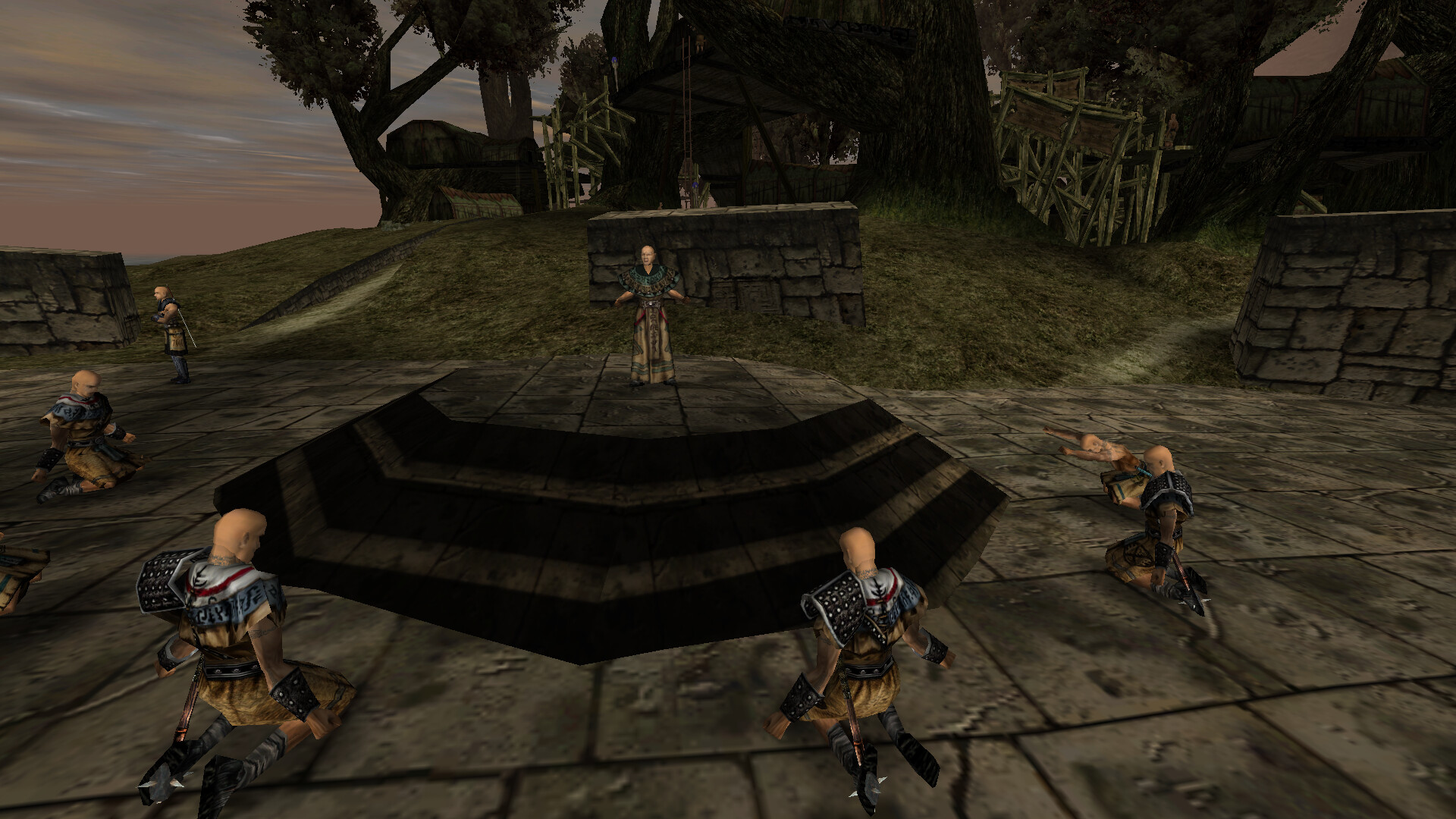
Piranha Bytes is arguably the most obvious example. Gothic Classic and Gothic II Complete Classic remind us of what this school was like: a dangerous world, camps, hierarchies, a progression that never gives the impression of having expected you. The player starts weak. Really weak. This is not a tutorial weakness, but a social one. You have to learn to survive before you can pretend to exist. Forging your place is not the reward of a series of quests, but of an abrupt and profoundly unfair apprenticeship.
This logic is found differently at Warhorse. Kingdom Come: Deliverance Royal Edition and Kingdom Come: Deliverance II do not seek great fantasy but friction. Read, fight, dress, eat, talk to the right person, understand the rules of a medieval society that does not immediately bend to the player nor seek to warmly integrate them. It’s less comfortable, but it’s also what gives the world its weight, its strength.
And how can we not mention Outward? Developed by Nine Dots Studio, in Quebec, the game is not European in the strict geographical sense, but it clearly belongs to this lineage of RPGs that are rough, humble and deeply attached to the vulnerability of the player. Outward never seeks to make the player a chosen one. We become a fragile body, poorly prepared, forced to sleep, eat, treat illnesses, carry our bags, fear the cold, exhaustion and the slightest bad encounter. The adventure does not begin with a prophecy, but with a debt.
Where many modern RPGs speed up access to power, Outward slows everything down. It requires preparing an expedition, reading the map without a reassuring marker, accepting that a lost fight does not always mean death, but sometimes a capture, a flight, a detour. The game puts weight back into each start. Leaving a city is already becoming a decision with serious consequences.
In this, Outward naturally dialogues with Gothic or Kingdom Come. It does not have their same structure, nor their same writing, but it shares this idea that the role also involves discomfort. We don’t become someone because a skill tree allows us to. We become so because the world resists, because we must learn its ways, its dangers, its compromises. And in a Western RPG increasingly tempted by fluidity, this resistance is almost salutary.
Spiders, of course, belonged to this family. Its games were often less polished, but they shared this ambition to build societies, factions, dilemmas. GreedFall stood out because it managed to give a seductive form to this desire. GreedFall: The Dying World necessarily becomes more painful to read today, because it also carries the shadow of the studio crisis. But it retains this important idea: even returning to its most popular universe, Spiders was still looking for a shift in point of view.
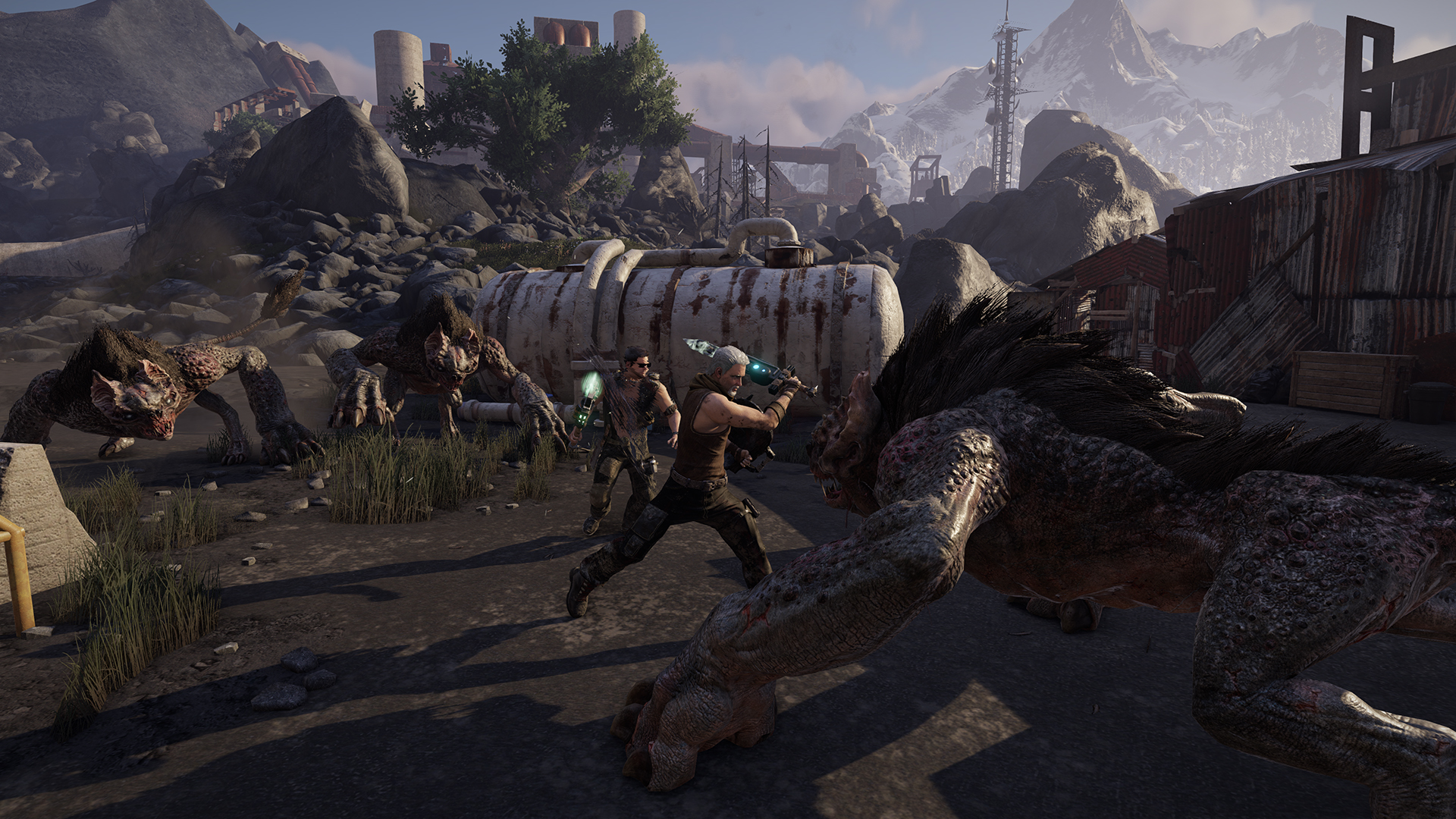
Deck13 occupies another place, more action, but interesting. Atlas Fallen is not in the guideline of a Gothic, but it meets them. It tells something of the survival of the European AA. A readable world, clear progression, powers, an action-RPG structure that almost recalls an Xbox 360/PS3 era where mid-range games still had the right to exist. Retro isn’t always in pixel art. It can also be in a way of doing things, in this survival that a handful of players still want to see preserved against all odds.
It’s this Europe that makes the genre endearing. It does not always succeed. It often stumbles. But it continues to offer worlds that don’t just want to be beautiful. They want to be habitable.
The present is not just a nostalgic return
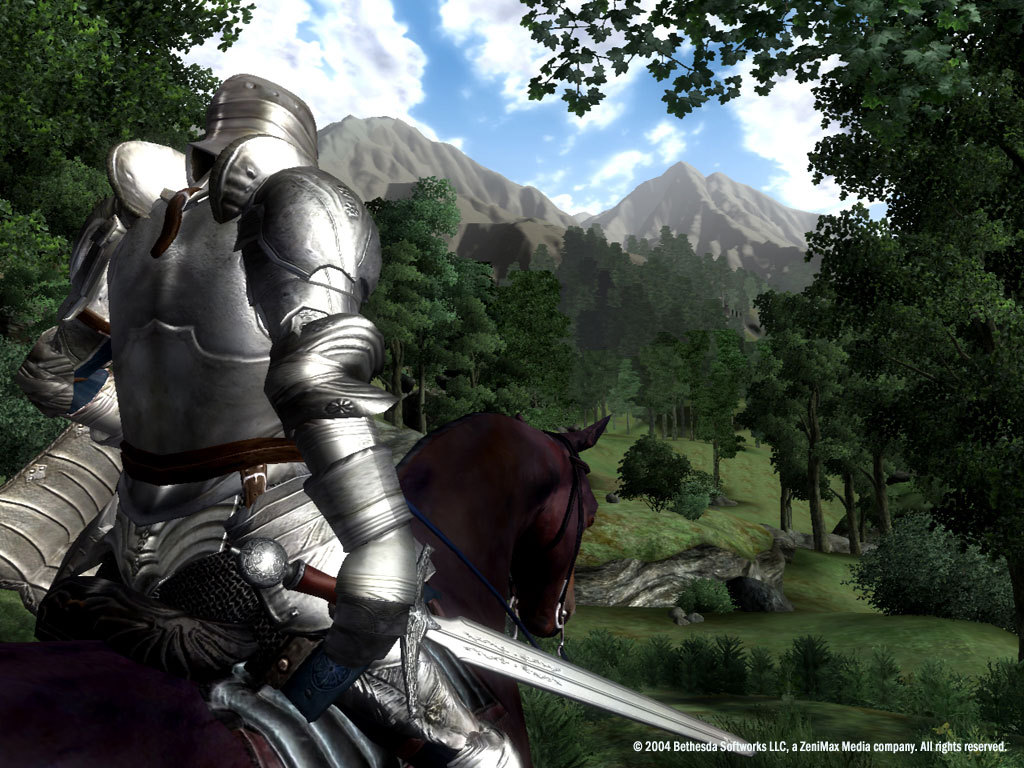
You might believe that the Western RPG lives mainly on nostalgia. It would be comfortable, but wrong. Yes, Baldur’s Gate 3 brought Forgotten Realms back to the center of the conversation. Yes, Oblivion Remastered reminds us that Bethesda still has worlds capable of awakening very precise memories. But the modern genre doesn’t just reopen old coffers.
Larian proved with Baldur’s Gate 3 that a very dense RPG could reach a huge audience without abandoning its dice rolls, its branches, its companions and its absurd consequences. Obsidian tries something else with Avowed and The Outer Worlds 2: less visible table, more conversation, factions, satire, moral construction; without forgetting its heritage. BioWare, for its part, remains associated with another, more emotional idea of the role, which Mass Effect Legendary Edition still sums up very well: the choice is not only in a quest, but in a crew that we build, that we love or hate.
And we also need to talk more about Owlcat Games. Without the Cypriot studio, some of the modern CRPG revival would be much harder to tell. Where Larian succeeded in making the genre spectacular, almost obvious for a very wide audience, Owlcat chose a denser, more arid path, closer to the table in what it can be dizzying.
Pathfinder: Kingmaker, and especially Pathfinder: Wrath of the Righteous, do not seek to smooth out the system. They assume it. Classes, archetypes, feats, alignments, companions, mythic paths, kingdoms to manage, crusade to lead: everything is massive, intimidating, disproportionate but deeply consistent with this idea of the RPG as a construction space.
Owlcat is the studio that understood that the strength of the Western RPG rests on two pillars: on the one hand the hard, rough AA RPG with its small imperfections; on the other this CRPG directly inherited from the table, filled with rules, quests and companions. And Owlcat Games has managed to unify these two pillars in a single game.
This is what makes the studio so important to this story. It not only addresses CRPG nostalgia but reminds us that complexity can still be a pleasure, provided it is supported by a world, challenges and a real promise of transformation. In Wrath of the Righteous, the player almost chooses a personal mythology. Angel, demon, lich, azata, aeon: the build becomes a way of telling what the character agrees to become.
With Warhammer 40,000: Rogue Trader, Owlcat has moved this ambition further. The studio leaves the fantasy of Pathfinder to enter one of the most charged, most excessive and most political universes of science-fiction gaming. Here again, not everything is perfectly accessible, quite the contrary. But the game confirms one thing: Owlcat is today one of the rare studios capable of defending CRPG in its most generous, most complex, sometimes most thankless form; to the point of offering what for many is the best video game adaptation of the Warhammer 40,000 universe.
Bethesda obviously remains impossible to ignore. Starfield has divided, sometimes violently, but it recalls an obsession that few studios have worked so hard on: giving the impression that the player can leave, get lost, come back later with a story that was not entirely planned.
But the present is also more discreet. Dragonkin: The Banished is not intended to become the new monument of Western RPG. Its appeal lies elsewhere. It reminds us that action-RPG, loot, dark fantasy and the imagination of the dragon continue to form a common language, even in more modest productions.
Tainted Grail: The Fall of Avalon clearly looks towards The Elder Scrolls, but through a diseased take on Arthurian legend. Eternal Strands further shifts the question towards action, climbing and physics-based magic, almost systemic. The examples are numerous, too many to cite; but each proves once again that the Western RPG is far from being a simple page which experiences a vague resurgence from time to time with titles like Baldur’s Gate 3.
Margins, even when they fail
We also have to accept one thing: not all of them are great games. Blood of Mehran is not there as a new absolute reference, it shows how the grammar of action-RPG can move towards other mythologies, here Persian stories and the imagination of One Thousand and One Nights. Even when the result remains mixed, the existence of the project says something.
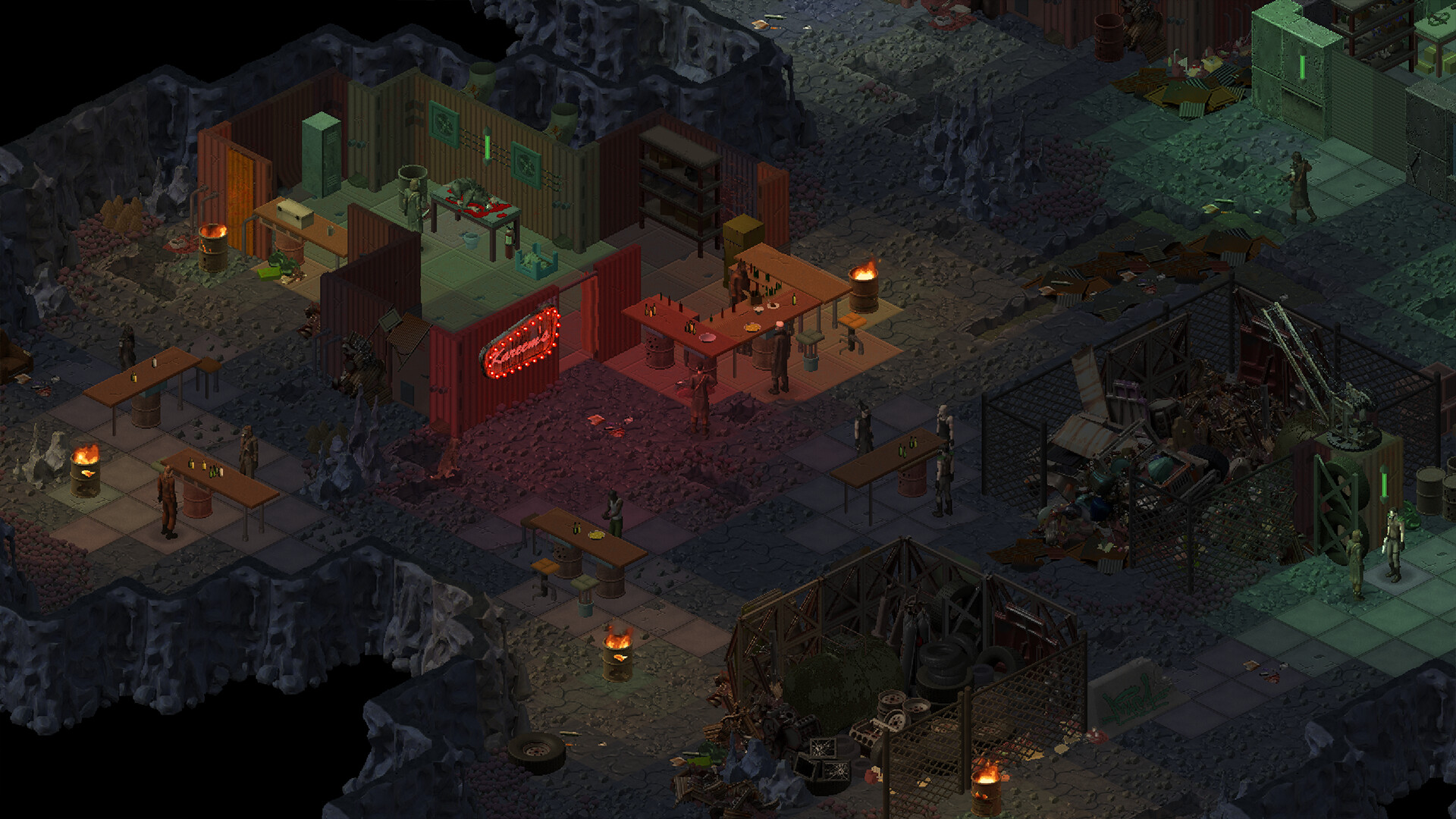
This is where we also have to look at the external independent side. SKALD: Against the Black Priory, developed by High North Studios, takes on the old CRPG right down to its interface. Drova: Forsaken Kin, from Just2D, takes the spirit of Gothic in an absolutely sublime pixel art action-RPG. Swordhaven: Iron Conspiracy, from AtomTeam, continues the old school CRPG. Stygian Software continues to defend Underrail. Iron Tower Studio built The Age of Decadence and Colony Ship around a very simple idea: an RPG can be harsh, dry, almost hostile, and still be exciting for those who accept its rules.
Margins are important because they allow the genre to try without having to convince everyone. A big RPG often has to justify every system, every risk, every hour of development. A small RPG can still afford to be strange. Not always successful. But strange. And that’s what makes the strength of this kind of production.
Tabletop is not a sideline
The Western RPG doesn’t only live on screen. It continues to exist in books, boxes, campaigns, supplements, tables where we still agree to spend three hours on a bad decision.
Forbidden Lands is a good example. Free League offers a fantasy of exploration, survival, maps to discover, where the adventure comes as much from the journey as from the scenario. Its supplements, Book of Beasts and The Bloodmarch, show how a universe can expand without losing its taste for danger. It’s very close, in spirit, to what many video game RPGs try to simulate without always succeeding.
Urban Shadows 2nd Edition brings another color. Urban fantasy, debts, factions, secrets, supernatural politics. We are no longer in the dungeon, but in the city as a network, like a Cyberpunk.
The table helps avoid a mistake: believing that the RPG is limited to the machine. Video games brought staging, calculation, automation, persistence. But the table retains the unexpected, the word, the pure accident. The two still nourish each other in a beautiful osmosis.
Novels have taken over the experience bars
Finally, there is another branch, more recent in its visibility: novels that think like RPGs. LitRPG isn’t always elegant. It can even become very mechanical, almost too obsessed with its levels, stats, notifications, and systems. But it says something important about the times: the grammar of role-playing became familiar enough to structure entire narratives.
Dungeon Crawler Carl is a good entry point, even if the result is mixed. The principle of the dungeon, the test, the system which observes the characters, the forced progression, comes directly from this video game culture. Primal Hunter works best as an example of an assertive LitRPG, with the idea that the build-up becomes the very heart of the story. System Universe – Immortels also takes up this logic of a world governed by a system, where the algorithm almost becomes a natural law.
It remains to understand the logic behind this heritage clearly intended for an adolescent/young adult audience, usually very disinclined to read. LitRPG is the direct heir of the great fantasy novels, from Tolkien to Greenwood via Salvatore or even Pratchett. So many authors and stories who forged the RPG itself… before the latter returned to literature through another door, narrower, less subtle; but no less interesting.
The Western RPG does not die, it evolves
This is undoubtedly the last point of this very long feature which only scratches the surface of the subject, as there is so much to say. The Western RPG is above all a way of doing things directly inherited from the table, its codes, its freedoms, its choices.
Unlike other genres, it changes its nature without ever denying where it comes from or where it is going. It seeks to move with the times, to change, to adapt; but in the end remains the expression of this philosophy, of this magic which has accompanied players for more than fifty years.
Images and videos