

Until Then
Adolescence before the end of the world
Score: 9/10
Images and videos
At a glance
We liked
- Writing that captures adolescence with remarkable honesty
- Endearing characters with their rough edges intact
- Beautiful and vibrant pixel art
- Intelligent use of phones and social media
We liked less
- Very limited gameplay
- Some deliberate but noticeable slow stretches
- Uneven mini-games
- A pace that will keep some players at a distance
 By Farrel Grimwood · published · 3 min read
Contents
Until Then arrives late on Xbox, almost a year after its PC release, but the game has never been in a hurry. It’s a story that takes its time, watching a teenager wait for a response to a message, skip an assignment, hang out with his friends, make mistakes in small decisions that become huge at that age. Then the world cracks. Not all at once. By details. By absences. By memories that don’t stay in place.
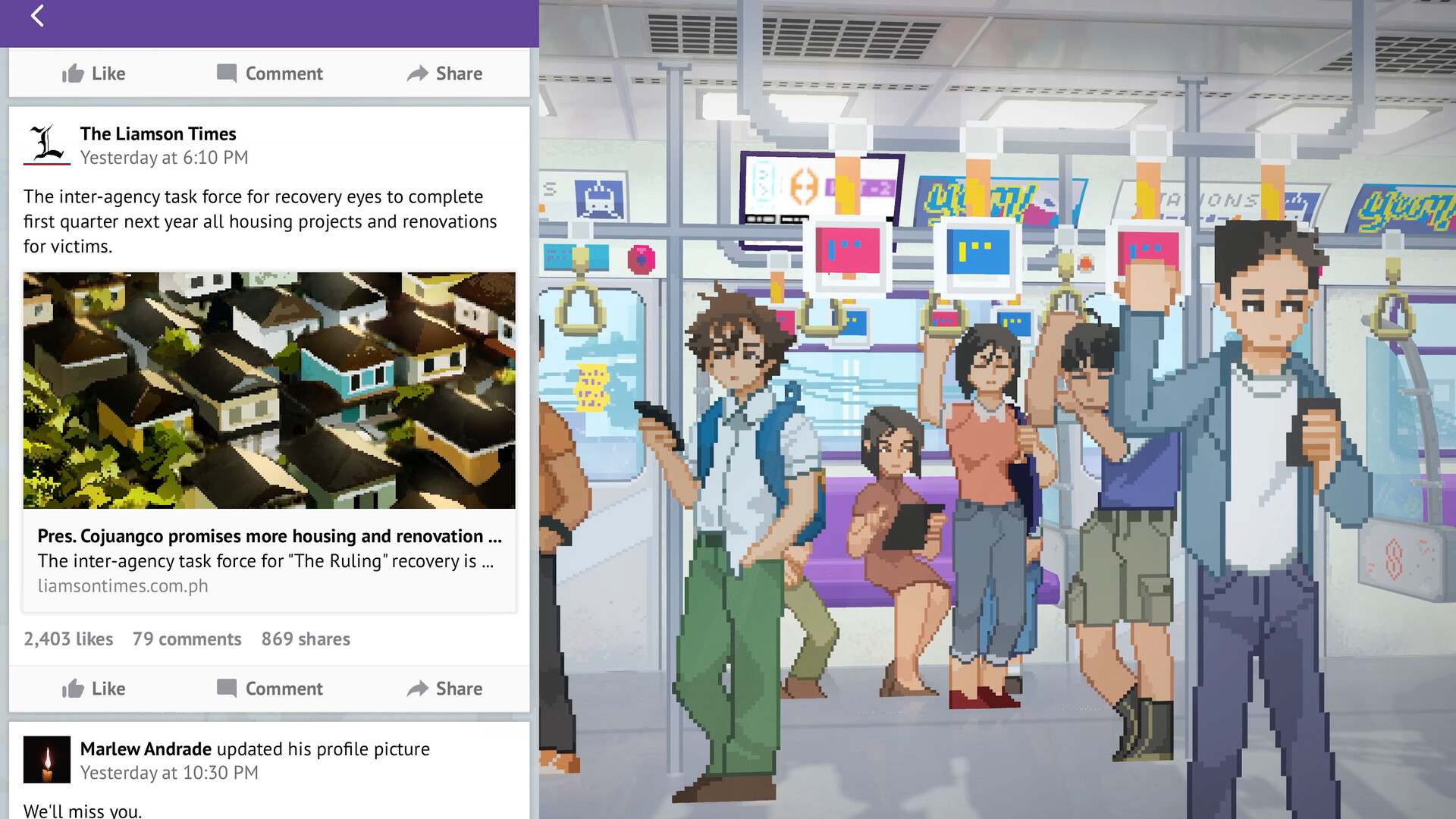
Mark Borja lives in a fictional version of the Philippines still scarred by catastrophe. The setting matters a great deal, but Until Then doesn’t make it a postcard. Classrooms, commutes, phones, social media, shops, buses and silences give the game its true texture. Until Then goes through an adolescence rooted in a particular place, with its gestures, its words, its habits.
The result is one of those narrative games that appeals not for its system, but for its accuracy. Until Then above all requires reading, moving forward, sometimes choosing an answer, and participating in small everyday mini-games. That doesn’t seem like much. Yet this is where the game finds its weight.
Everyday life as raw material
Until Then’s best idea is not to treat adolescence as an introduction before the important things. They are already there, and hide in the awkwardness of a conversation, in the expectation of a message seen but not answered, in a joke that goes wrong, in the fear of disappointing one’s friends, in this way of pretending that everything is fine because one does not yet have the words to say otherwise.
Mark is not a spectacular hero and that is precisely why he works. He is sometimes funny, sometimes cowardly, sometimes tender, sometimes unbearable. The game doesn’t try to make him immediately likable. It lets him be a teenager, with this awkwardness that hurts because it rings true.
The characters around him exist with the same attention. Friendships are not boxes to fill, romantic relationships are not rewards, family tensions are not staged for easy tears. Until Then moves forward in small scenes, and these small scenes end up forming something very solid.
A mystery that benefits from remaining human
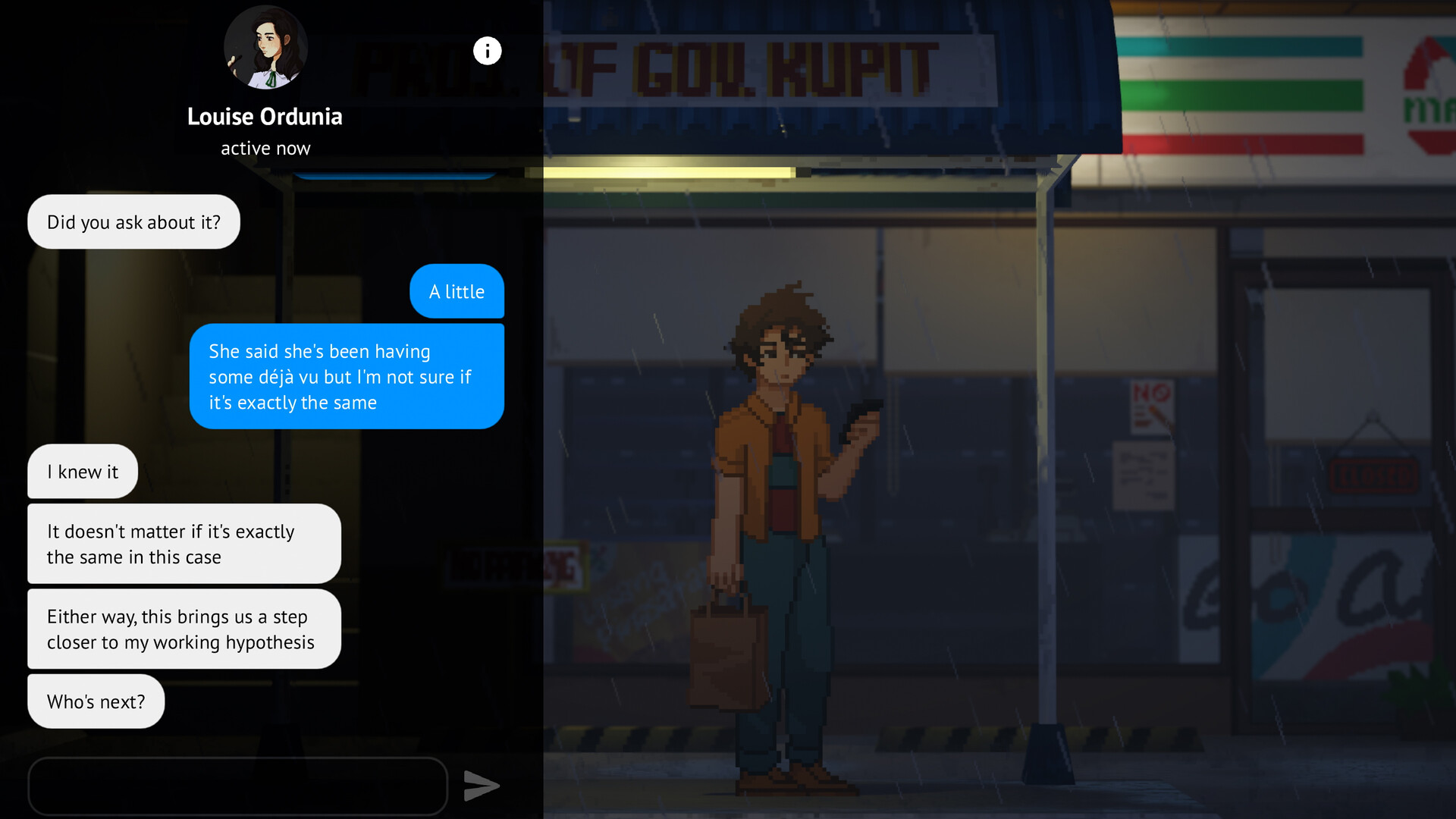
The game does have a mystery. Disappearances, unstable memories, a feeling of déjà vu which gradually contaminates the story. But Until Then works better when it lets this strangeness serve the characters than when it tries to bring the supernatural mechanics to the forefront.
The great success comes from the balance between the intimate and the disturbing. The world may change around Mark, but what matters is what those changes do to the bonds. Losing someone, not knowing what to say, clinging to a routine because it reassures, understanding too late that a banal moment was already precious. The game hits the mark when it brings the fantastical to this scale.
Not everything is perfect though. There are some slow stretches, especially when the game deliberately stretches its daily life. Some mini-games are more amusing than engaging. Certain narrative detours would have benefited from being tightened up. But these limits do not break the whole, because the sincerity of the story holds the line.
Play a little, feel a lot
Until Then is not a game that seeks to multiply systems. We read a lot. We move around a bit. We respond to messages, we browse posts, we participate in deliberately banal mini-games. The limit is clear: those who expect a gameplay-rich adventure will stay out.
But the apparent sparseness of the gameplay is also its method. The telephone is a social space. Messages, emails, posts and reactions build part of the world. The game understands perfectly to what extent contemporary adolescence passes through these small interfaces where we wait, interpret, hope and get offended.
An unforced beauty
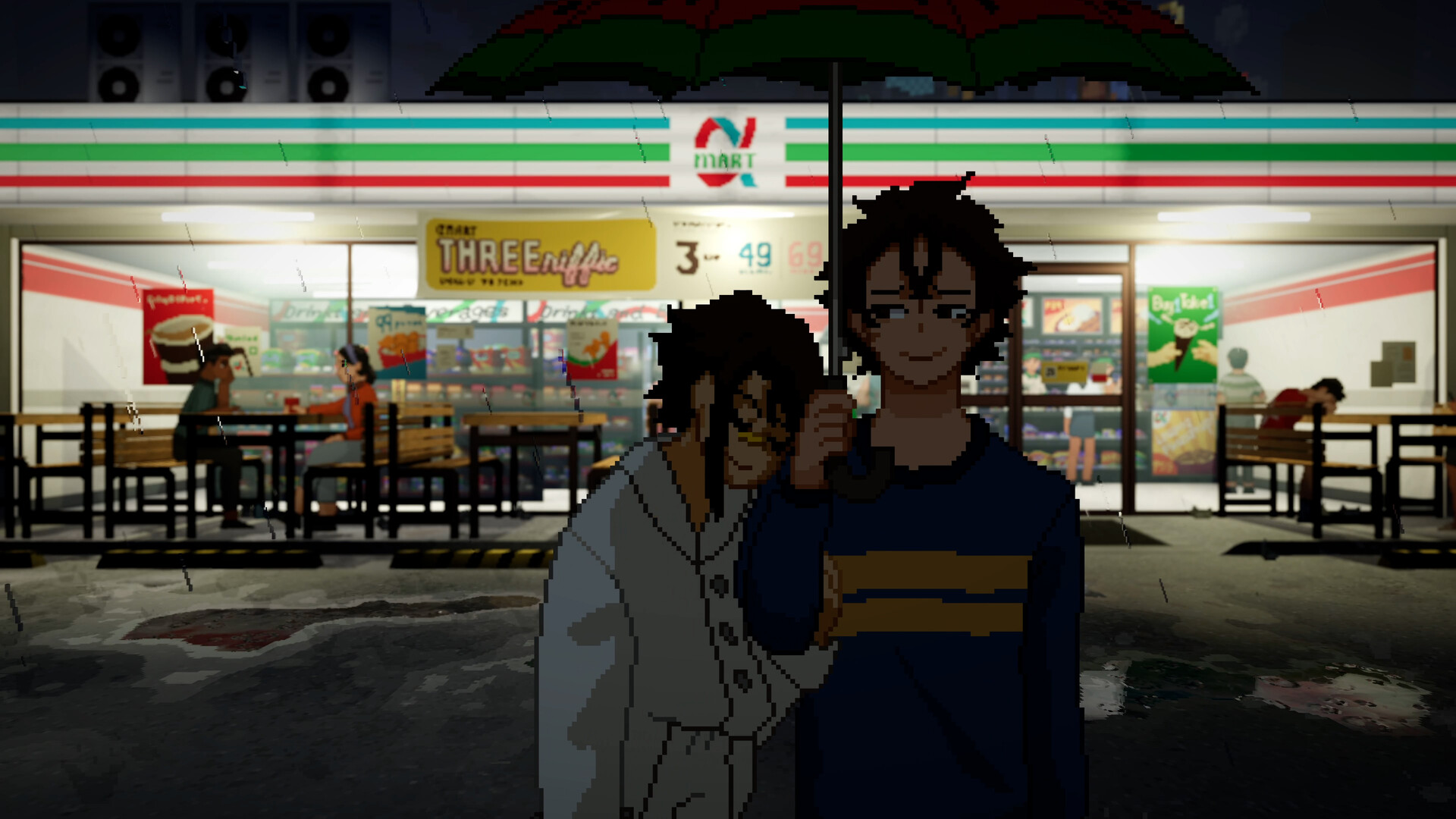
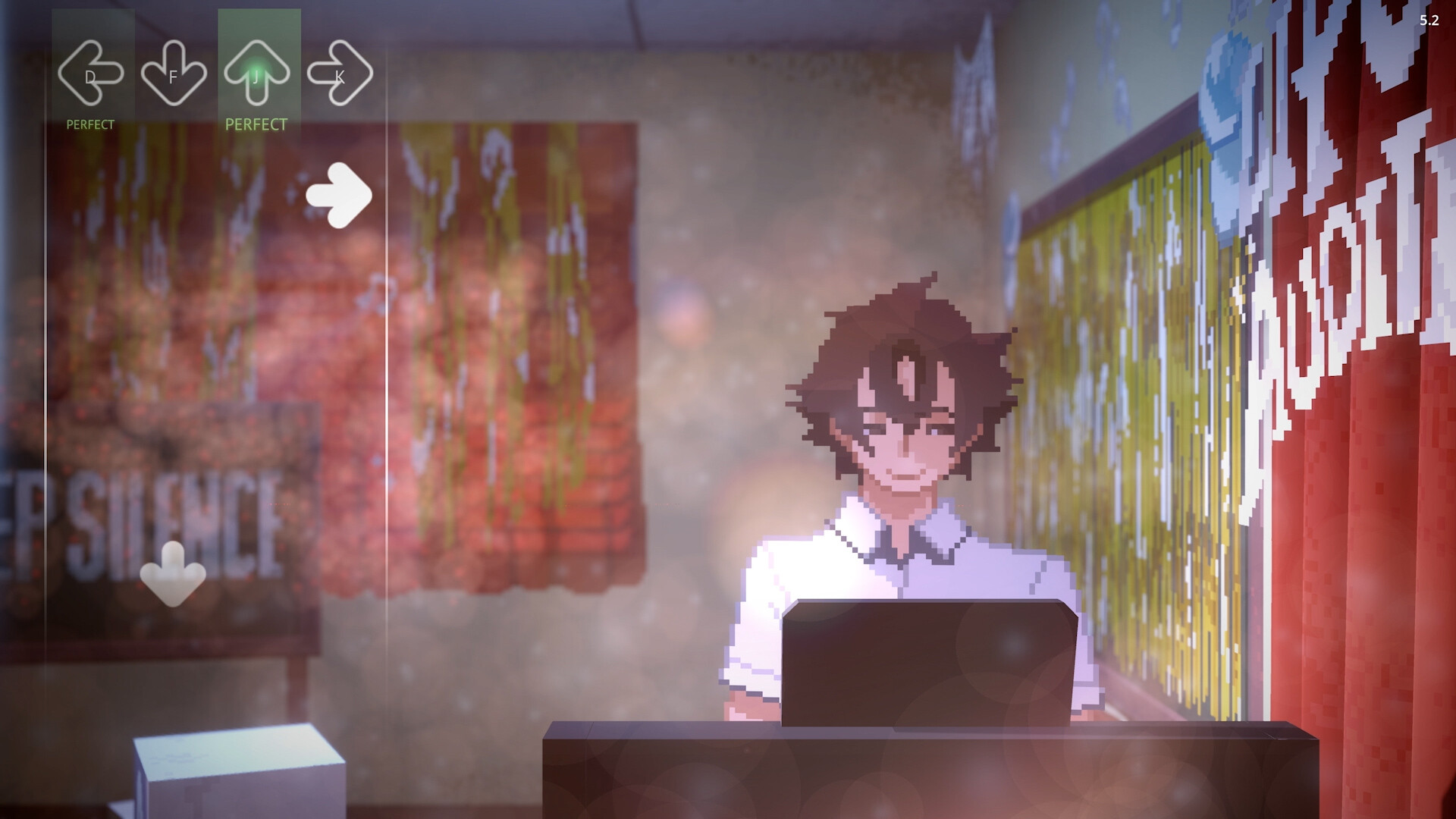
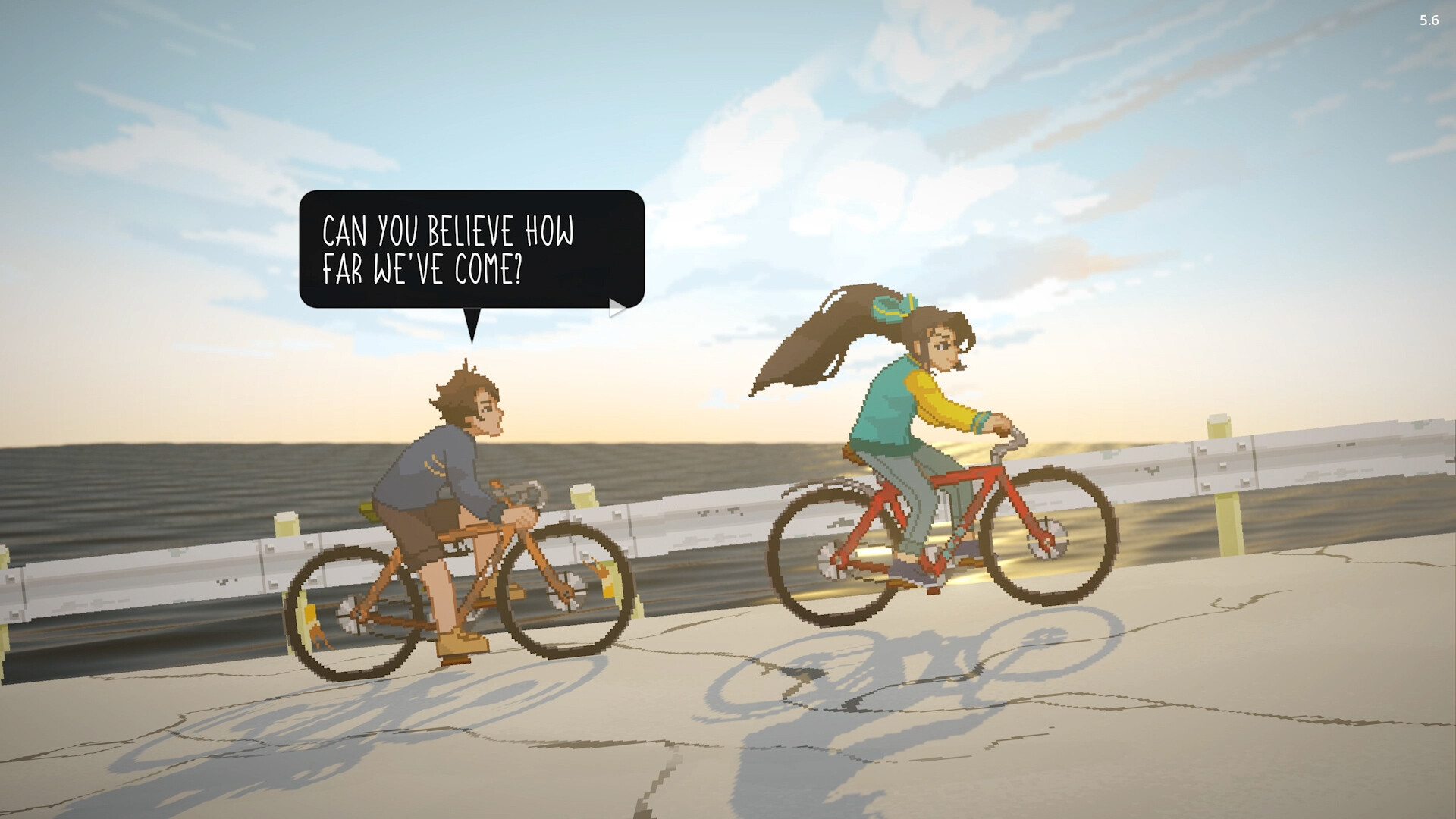
Visually, Until Then has a magnificent identity. Its pixel art is not just nostalgic dressing. The characters move, wait, hesitate. The environments feel alive. The shots combine 2D art with more modern three-dimensional forms with a softness that gives the places immediate depth.
The game especially knows when to stop. It does not try to make every scene spectacular. A bedroom, a classroom, a street after the rain, a slightly long journey are enough to create a presence. The music accompanies this restraint. It can be warm without becoming saccharine, sad without forcing the emotion.
It is this mixture that makes Until Then so valuable. It talks about loss, memory, love and friendship, but does not chase grand statements. It observes. It lets the characters make mistakes. It accepts that emotion sometimes comes through a tiny detail.
Verdict
A story that remains
9/10
Until Then is a major success in narrative gaming. It has few mechanics, little speed, little spectacular in the usual sense. But it has a rare emotional truth, a culture that breathes in the details, characters that remain, and a very fine way of slipping the fantastic into intimate pain.
Its slow stretches and limited gameplay are real. They even clearly define the game's audience. But for those who accept its rhythm, Until Then strikes with formidable gentleness.
Pros
- Writing that captures adolescence with remarkable honesty
- Endearing characters with their rough edges intact
- Beautiful and vibrant pixel art
- Intelligent use of phones and social media
- Emotion that feels unforced
Cons
- Very limited gameplay
- Some deliberate but noticeable slow stretches
- Uneven mini-games
- A pace that will keep some players at a distance
More in Video games
Full library 9/10
Dragon’s Dogma 2: Dark Arisen
XBOX 7/10
Brigandine Abyss
XBOX 6/10
The Walking Dead: Streets of Survival
XBOX 8/10
Onimusha: Way of the Sword
XBOX 7/10
HOT WHEELS Infinite Rush
XBOX 8.5/10
S.T.A.L.K.E.R. 2: Cost of Hope
XBOX 7.5/10
The Lord of the Rings: War in the North – Legacy Edition
XBOX 8/10
Verho – Curse of Faces
XBOX 8/10
Halo: Campaign Evolved
XBOX 7/10