
Otherwar
The sky is short of breath
Score: 5/10
Images and videos
At a glance
We liked
- An immediately understandable tower defense/bullet hell mix
- The controllable angel gives a real presence to the player
- Clear reading despite projectiles
- Some missions capable of creating good tension
We liked less
- A pace too slow for its own concept
- Waves that stretch too far
- Towers that are not stimulating enough over time
- A progression that changes the way of playing too little
 By Farrel Grimwood · published · 6 min read
Contents
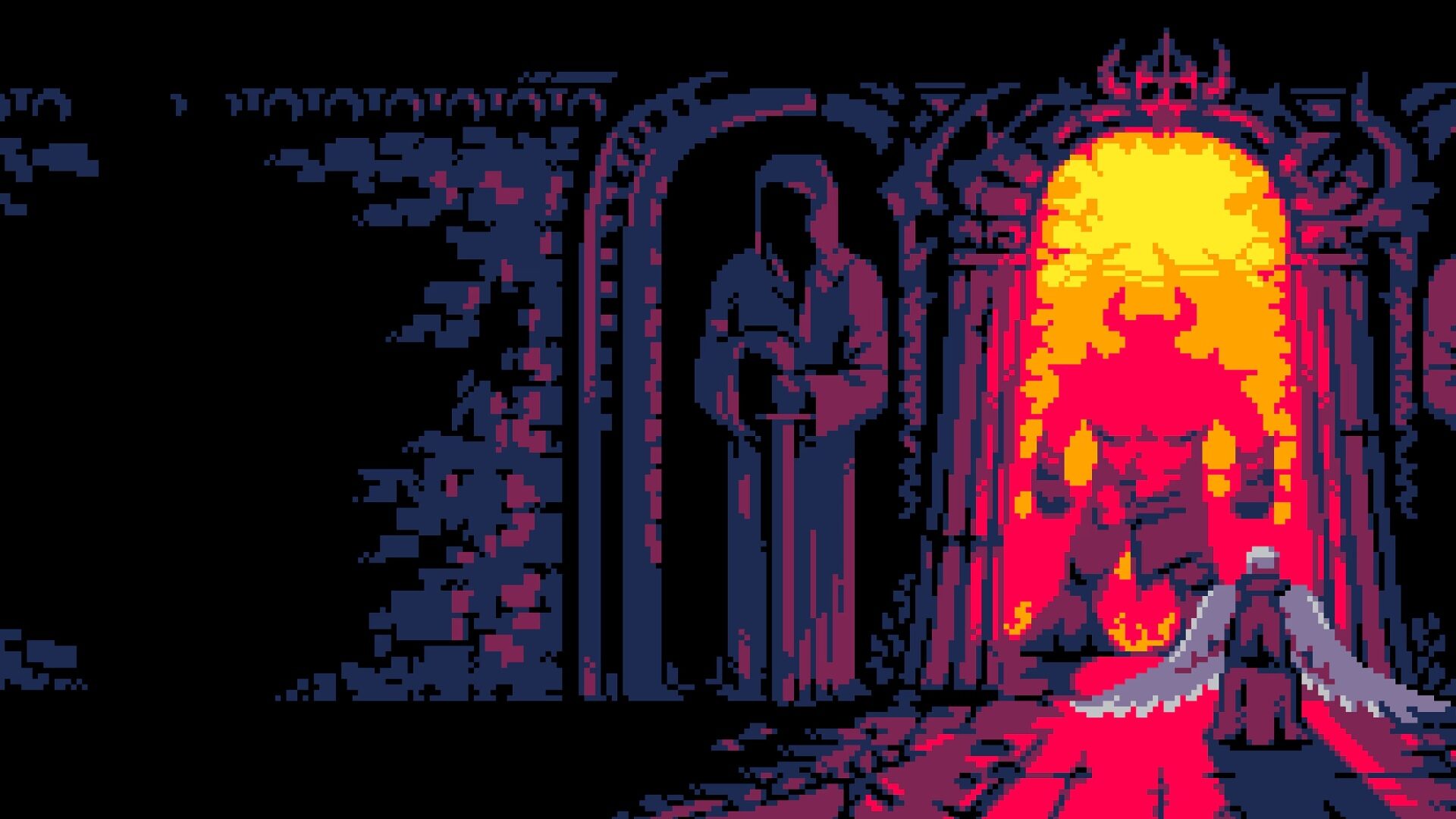
An angel, a door, Hell rising in whole waves. Otherwar does not need long minutes to make itself understood. The game places its setting like you place a target on the ground: here, you have to hold on. Not conquer, not explore, not save a huge kingdom. Hold a line. Prevent creatures from reaching Heaven’s Gate.
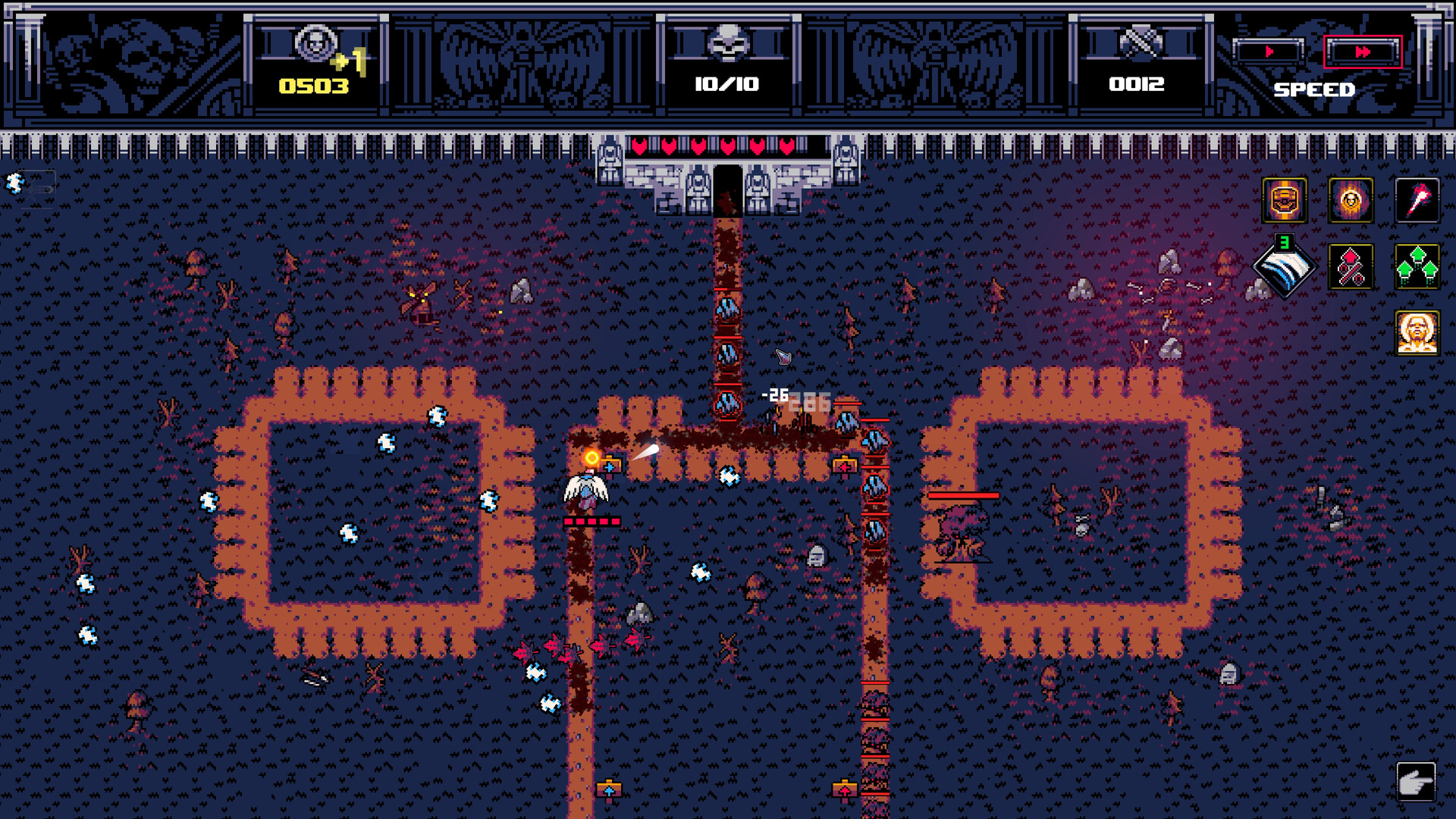
The little idea that gives depth to the whole thing is that the player doesn’t just watch the battle from above like in the majority of games of the genre. He participates in it. We place towers, we prepare a defense, but we also directly control the angel. He shoots, dodges, collects coins, compensates for placement errors, catches up with a wave that begins to pass. Otherwar therefore wants to do tower defense without a comfortable chair.
On Xbox Series X|S, the game arrives with a modest format, a clear promise and a price that sets the tone quite well: we are not in front of a major production disguised as a small game, but in front of an independent title which focuses everything on its crossover: building while the screen fills with projectiles.
The problem is that this idea requires rhythm. Lots of rhythm. And this is precisely where Otherwar starts to lose some of its strength.
The door to guard
Otherwar says almost nothing, and this is not necessarily an error. Its religious framework functions as an immediate image: Heaven on one side, Hell on the other, and in the middle an angel who finds himself doing the work of an entire garrison. This simplicity gives the game a fairly clear arcade feel. We understand the threat, we understand the objective, we enter the next wave.
However, there could have been more character. The theme promised holy war, notable bosses, a dramatic build-up, maybe even a real siege feeling. Otherwar plays it safer. The demons advance, the projectiles go off, the towers do their work. Everything is readable, but rarely inhabited.
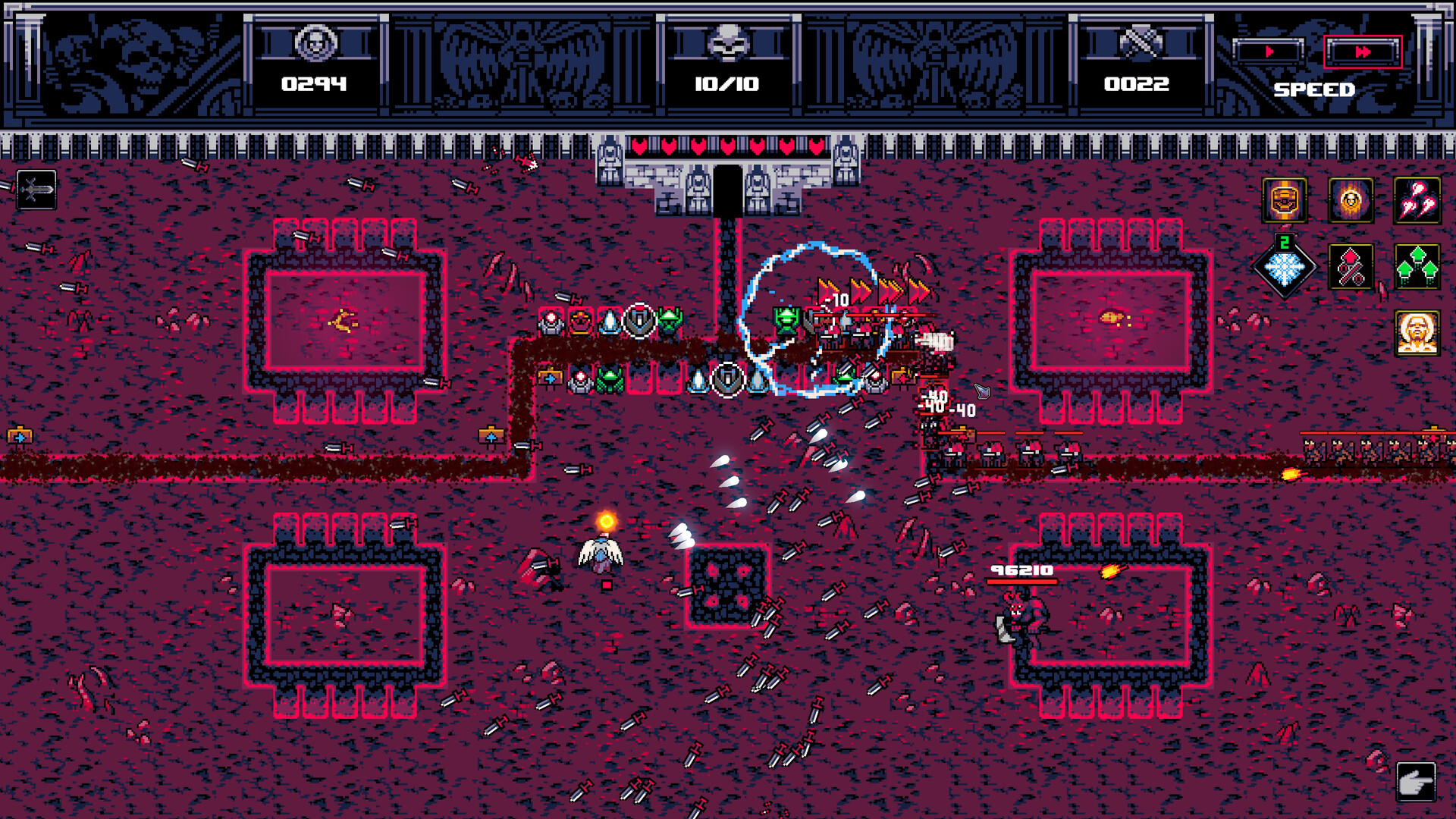
The pixel art still helps to give this battle its own form. The enemies can be distinguished correctly, the shots generally remain understandable, the scenery does not interfere with reading. The game knows it needs to stay clear, especially with a fixed camera and waves that end up taking up a lot of space. On this point, it is not wrong.
But clarity is not personality. Otherwar is pleasant enough to look at, without ever really imposing an image. It has a functional identity more than visual. We remember its mix of genres before we remember its world.
Two games in the same screen
When Otherwar finds its balance, it becomes interesting. A line of monsters advances towards the door. A turret slows down the group, another hits harder, the angel slips between two salvos to collect coins or finish off a target that threatens to pass. The game then works like a small multi-handed mechanism. One hand thinks of defense, the other handles emergencies.
This obligation to move changes a lot of things. In classic tower defense, the satisfaction often comes from the plan that works almost by itself. Here, the plan is never really enough. You have to stay present, adjust, aim, avoid, repair the holes. The angel is not a simple bonus placed in the centre of the map. It becomes the valve of the system.
Enemies quickly give you something to work with. Some absorb hits, others shoot, some models impose immediate priority. The patterns don’t turn Otherwar into real hell, but they at least force you not to completely fall asleep behind the towers. The game understood that its hybridization had to put the player under tension.
The problem is that this pressure often remains too low. The bullet-hell side lacks energy, tower defense lacks scale, and the whole thing ends up in an intermediate zone that is less exciting than expected. We act a lot, but we don’t feel this clear pressure which makes us want to immediately relaunch a failed wave.
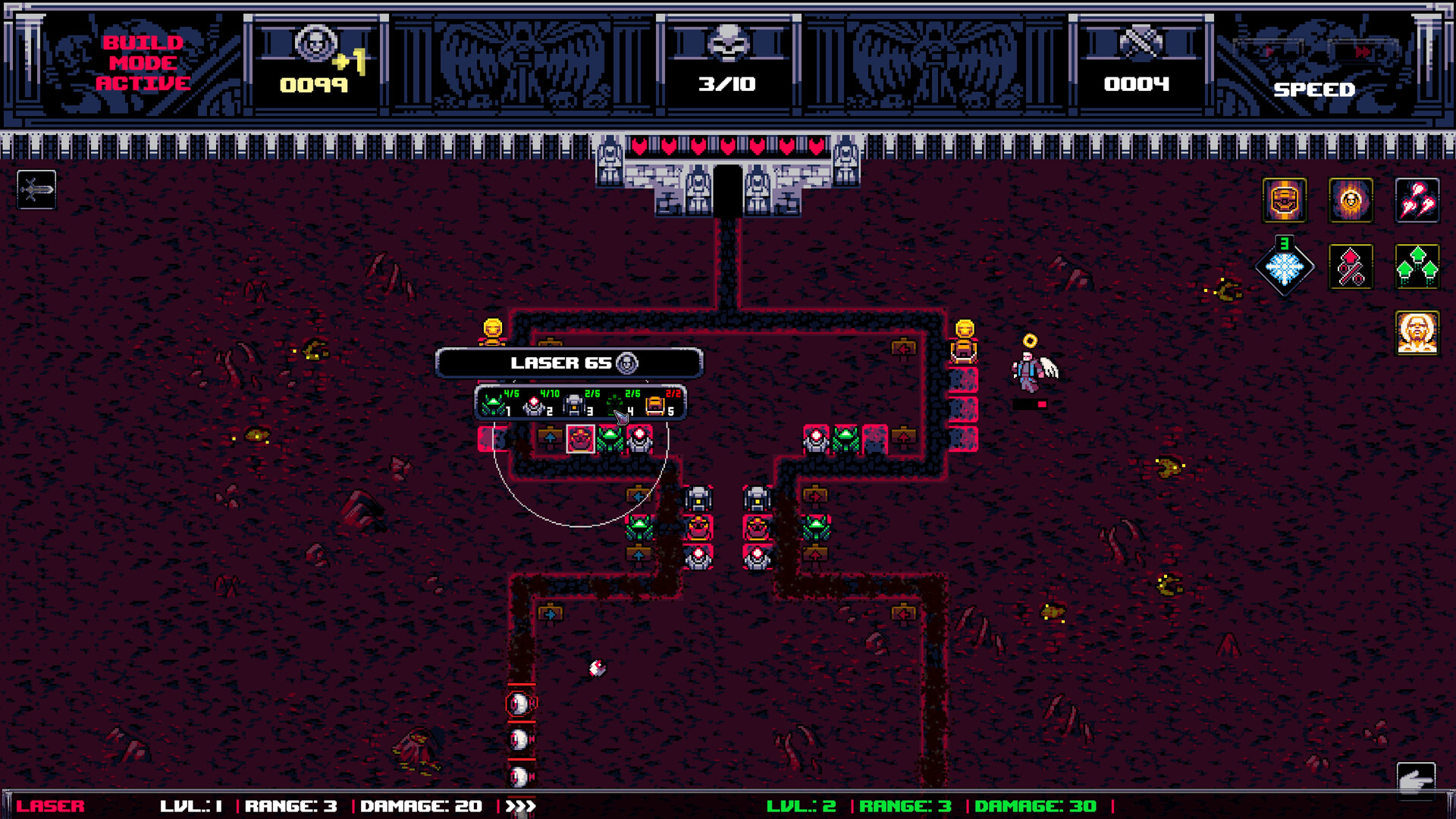
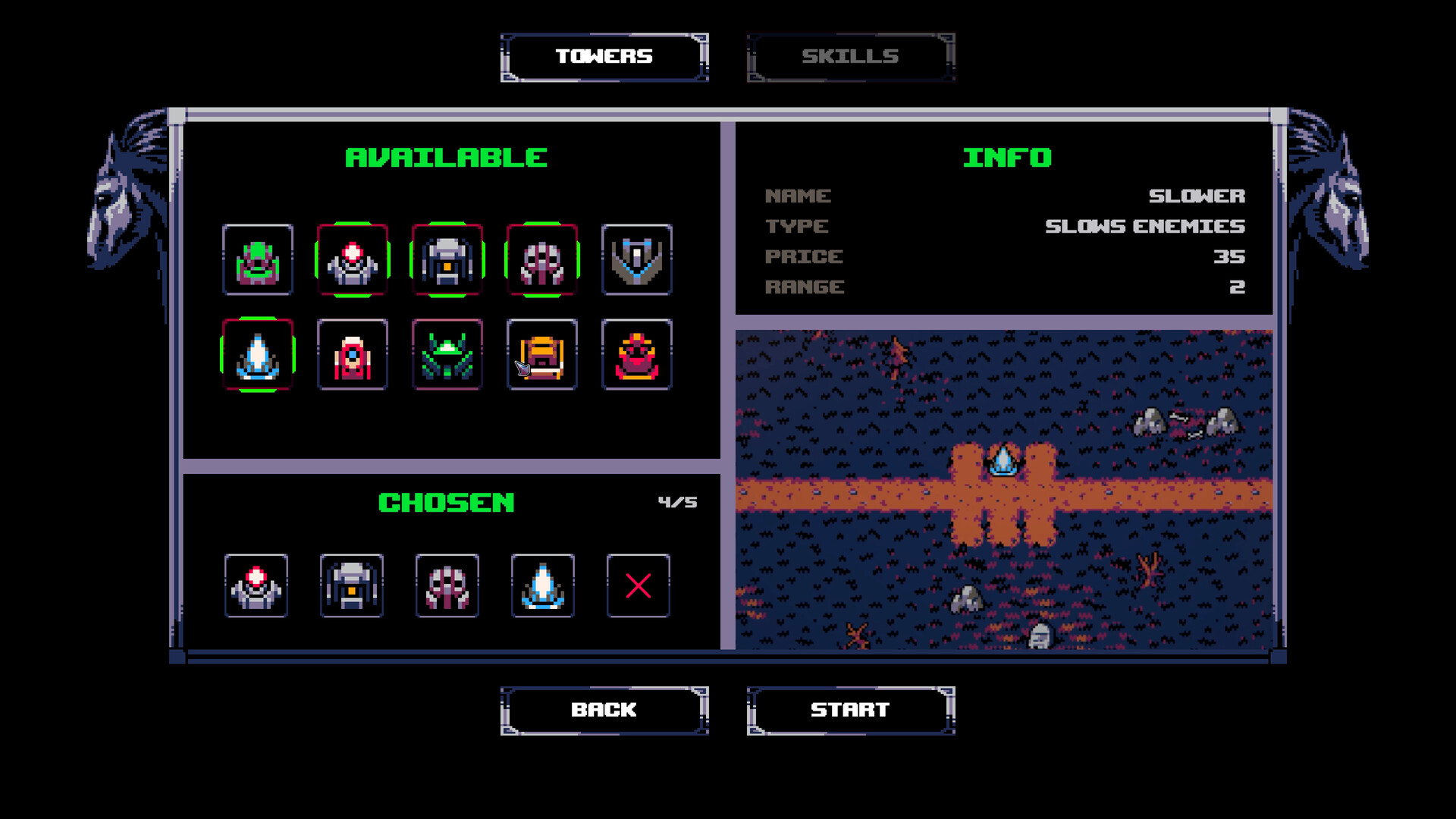
The towers don’t help break this impression. They fulfill their role, they improve, they give some choices, but without opening up a real feeling of construction. We optimize more than we invent. We find a fairly effective response, we repeat it, we adjust around it. For such a short game, it’s not dramatic. For such a repetitive game, it feels fast.
Hell takes too much time
Otherwar becomes less convincing as its waves stretch out. The game requires you to hold on, then hold on again, with enemies who endure for a long time and an economy that doesn’t give the impression of following the threat. The difficulty exists, but too often it comes through wear and tear rather than a real increase in pace.
This is where the bullet hell game loses an opportunity. The shots should energize the tower defense, make it more intense, more unstable, almost dirtier. Instead, they occupy the screen without causing that adrenaline rush that the genre normally knows how to create. We dodge, yes. We are monitoring, yes. But you rarely feel like you’re caught in a dangerous dance.
The consequence is simple: failure tires more than it stimulates. Starting a mission again should make you want to correct your placement, try another combination, read the enemies differently. It happens. But it also happens that we restart especially with the feeling of having to go through a sequence that is too long to find the moment that stuck.
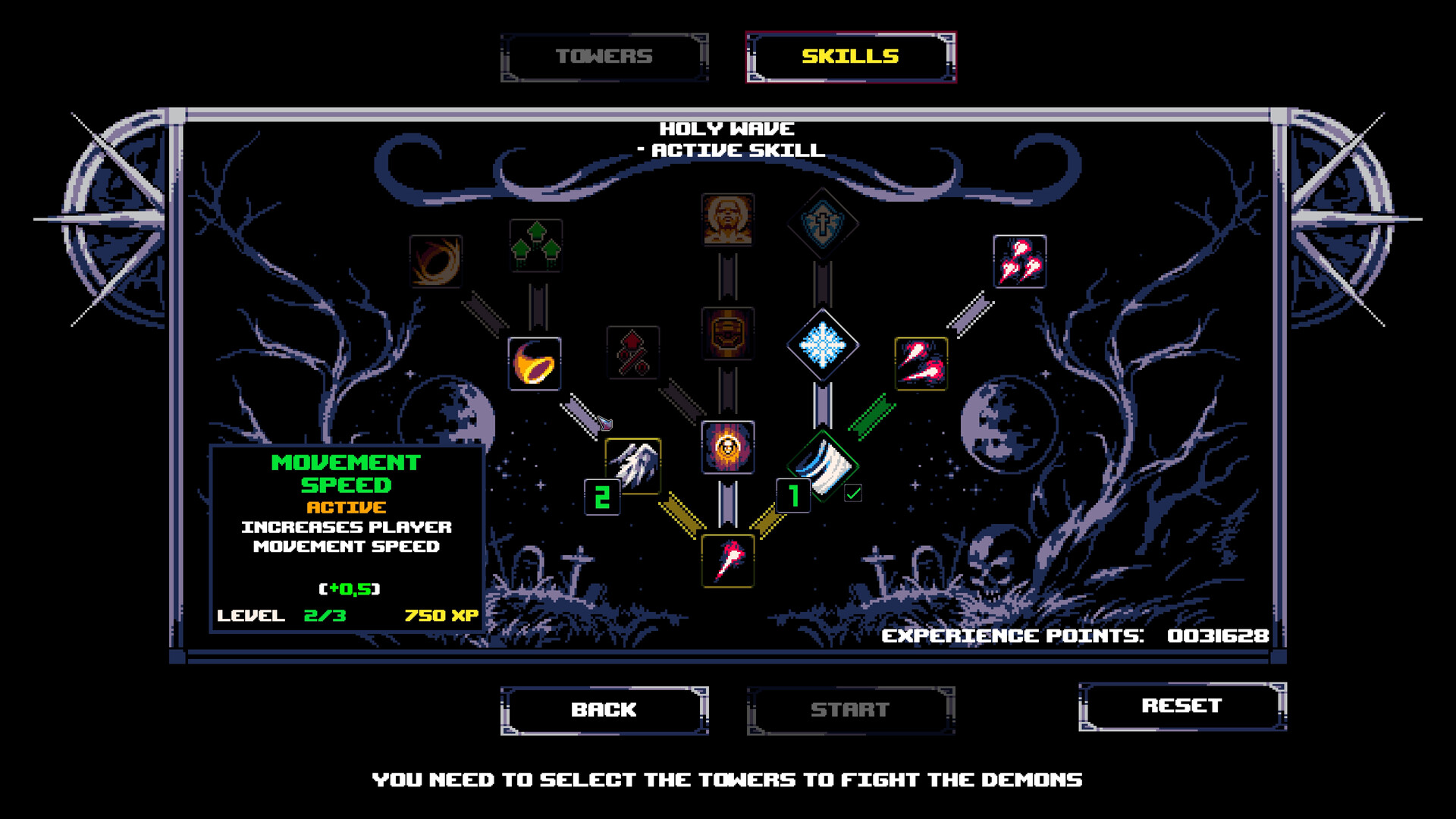
The improvement tree and the new towers provide progression, but not enough surprises. We become stronger, more efficient, better armed. We don’t change the way we play. Otherwar advances by small gains, rarely by real seesaws. The game needed to shake up its own formula more.
That doesn’t mean there’s nothing to save. Some missions create a nice little tension, especially when the placements start to fit together and the angel has to intervene at the last moment. In these passages, the mixture works. We understand the logic of the game, we feel its uniqueness, we see what it seeks to do.
But these passages remain too far apart. Between them, Otherwar often lets its idea idle.
A clean Xbox version
Over Xbox Series X|S, Otherwar has the advantage of being cleanly integrated. Smart Delivery, Xbox Play Anywhere, cloud backups, Series X|S optimization and French localization. Nothing in this framework distracts from the real subject.
This real subject is the internal rhythm of the game. Otherwar does not need to be bigger. It did not necessarily need more modes, more effects, more noise. Above all, it needed a tighter, more focused, punchier loop. Its concept requires an energy that the execution does not always give it.
Its price obviously works in its favor. You can enter it as an independent curiosity, complete a few missions, appreciate its mix and accept its limits. With this in mind, Otherwar is not unpleasant. It does what it says, it does it legibly, and it never completely betrays its initial idea.
But it doesn’t transcend it either. It’s the kind of game that we look at with kindness, precisely because the intention is clear. Then let us judge with more severity, because this intention was enough to produce something more catchy.
Verdict
A good idea that runs slow
5/10
Otherwar has a real catch. Its mix of tower defense and bullet hell makes you want to believe it, especially when the angel intervenes directly to save a defense that is giving way. The game is readable, modest, honest in its proposition, and unique enough to deserve a look.
However, it lacks what could have made it truly recommendable: nerve, variety, a difficulty less focused on wear and tear, and towers that make you want to experiment more. Otherwar isn't a bad game. It's a good idea that moves too slowly.
Pros
- An immediately understandable tower defense/bullet hell mix
- The controllable angel gives a real presence to the player
- Clear reading despite projectiles
- Some missions capable of creating good tension
- Smart Delivery and Xbox Play Anywhere on Xbox
Cons
- A pace too slow for its own concept
- Waves that stretch too far
- Towers that are not stimulating enough over time
- A progression that changes the way of playing too little
- A celestial universe ultimately little exploited
More in Video games
Full library 9/10
Dragon’s Dogma 2: Dark Arisen
XBOX 7/10
Brigandine Abyss
XBOX 6/10
The Walking Dead: Streets of Survival
XBOX 8/10
Onimusha: Way of the Sword
XBOX 7/10
HOT WHEELS Infinite Rush
XBOX 8.5/10
S.T.A.L.K.E.R. 2: Cost of Hope
XBOX 7.5/10
The Lord of the Rings: War in the North – Legacy Edition
XBOX 8/10
Verho – Curse of Faces
XBOX 8/10
Halo: Campaign Evolved
XBOX 7/10