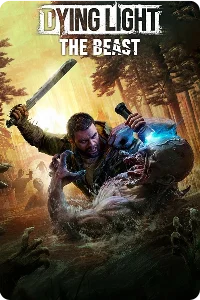
Dying Light: The Beast
When the past refuses to die
Score: 8.5/10
Images and videos


At a glance
We liked
- The return of Kyle Crane and his tragic duality
- Castor Woods, oppressive and memorable
- Fluid parkour, always at the heart of the experience
- The monstrous powers that transform confrontations
We liked less
- Framerate drops and visual overload
- Some repetitions in progression loops
 By Farrel Grimwood · published · 6 min read
Ten years after the first opus and three years after Dying Light 2: Stay Human, Techland chose to transform what was supposed to be an expansion into a standalone experience: Dying Light: The Beast. Available since September 18, 2025 on Xbox Series, the title claims a return to the roots of the franchise, those of an urban nightmare where every step is a bet against death and where the night is not only a setting but a condemnation. Where the previous chapter multiplied the systems and dispersed its breath in superabundance, The Beast tightens the noose, assumes its tense survival DNA and plunges the player into a more intimate, more brutal fresco, where every second counts.
Does the Polish studio intend here to reconcile veterans who regretted the visceral tension of the first episode and to seduce a new generation hungry for adrenaline? This is the whole promise of this return to basics: offering an experience where parkour, hand-to-hand combat and the fear of being hunted combine at an intensity rarely achieved.
The scars of a hero
Thirteen years after the events of The Following, Kyle Crane comes back to life in the heart of a seemingly peaceful valley riddled with secrets. Captive of the experiments of a certain Baron, a figure who is both a scientist and a torturer, the hero is broken then recomposed, transformed into a hybrid between the human and the infected. This alteration, far from being a simple game mechanic, becomes the narrative engine of a darker fresco: Crane is no longer just the emblematic survivor of the franchise, he now embodies the fragility of a body torn between instinct and conscience, between beast and man.
At his side stands Olivia, a survivor of the same laboratories, whose determination guides her steps and whose actions constantly remind us that survival is never lonely. More than an ally, she is Crane’s moral mirror, the one who, through her resilience and intelligence, reveals the gray areas of a hero marked by pain. Their exchanges, often brief, always tense, underline the weight of a past which refuses to disappear and the need to rebuild a humanity on the verge of extinction.
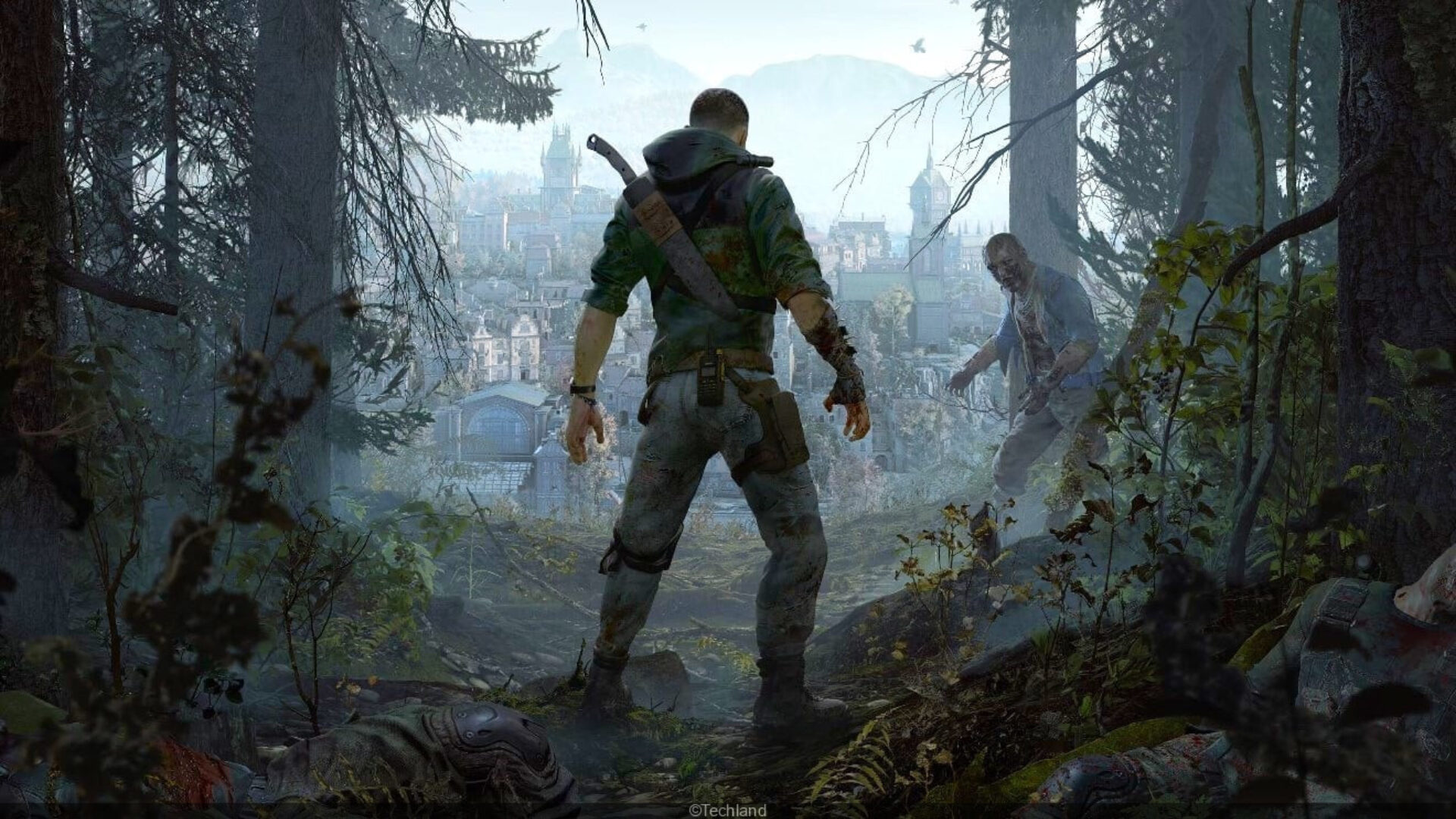
The world they cross is that of Castor Woods, a rural and forested territory where misty reliefs and twisted wooden silhouettes replace skyscrapers and concrete ruins. Here, each cabin, each path, each isolated house becomes a theater of survival, and the meetings with the inhabitants of the Town Hall infuse an almost melancholic tone. These survivors, led by a disillusioned sheriff, embody so many fragments of a society in tatters: their voices, their doubts, their warnings provide the backdrop to a story where hope merges with fear.
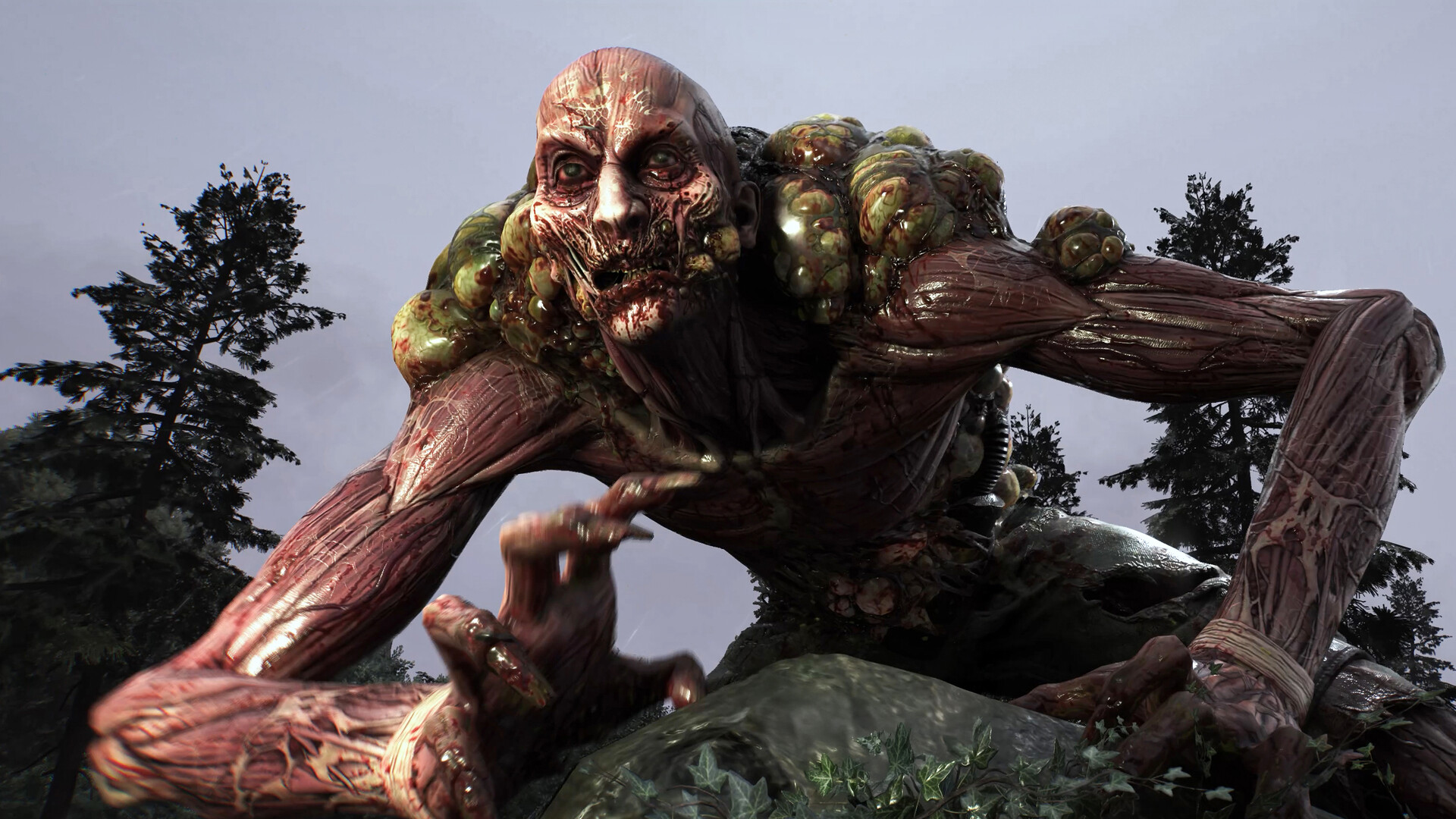
But it is the presence of the “Beast”, a shadow lurking in the forest, which leaves its mark on the narrative. Hunting the Baron’s men, it becomes a symbol as well as a threat, a catalyst for collective anxieties and a revealer of Crane’s inner struggle. Facing it, facing himself, each step towards the truth brings the player closer to a confrontation that is as much psychological as physical.
By tightening its writing, The Beast abandons the dispersion of its predecessor to find the tension of a linear progression. This choice gives the story a new intensity: more direct, more visceral, less tempted by the illusion of the narrative open world. Far from being a weakness, this orientation refocuses attention on the characters, on their scars, on the struggle between man and what he could become.
The renewed breath of survival
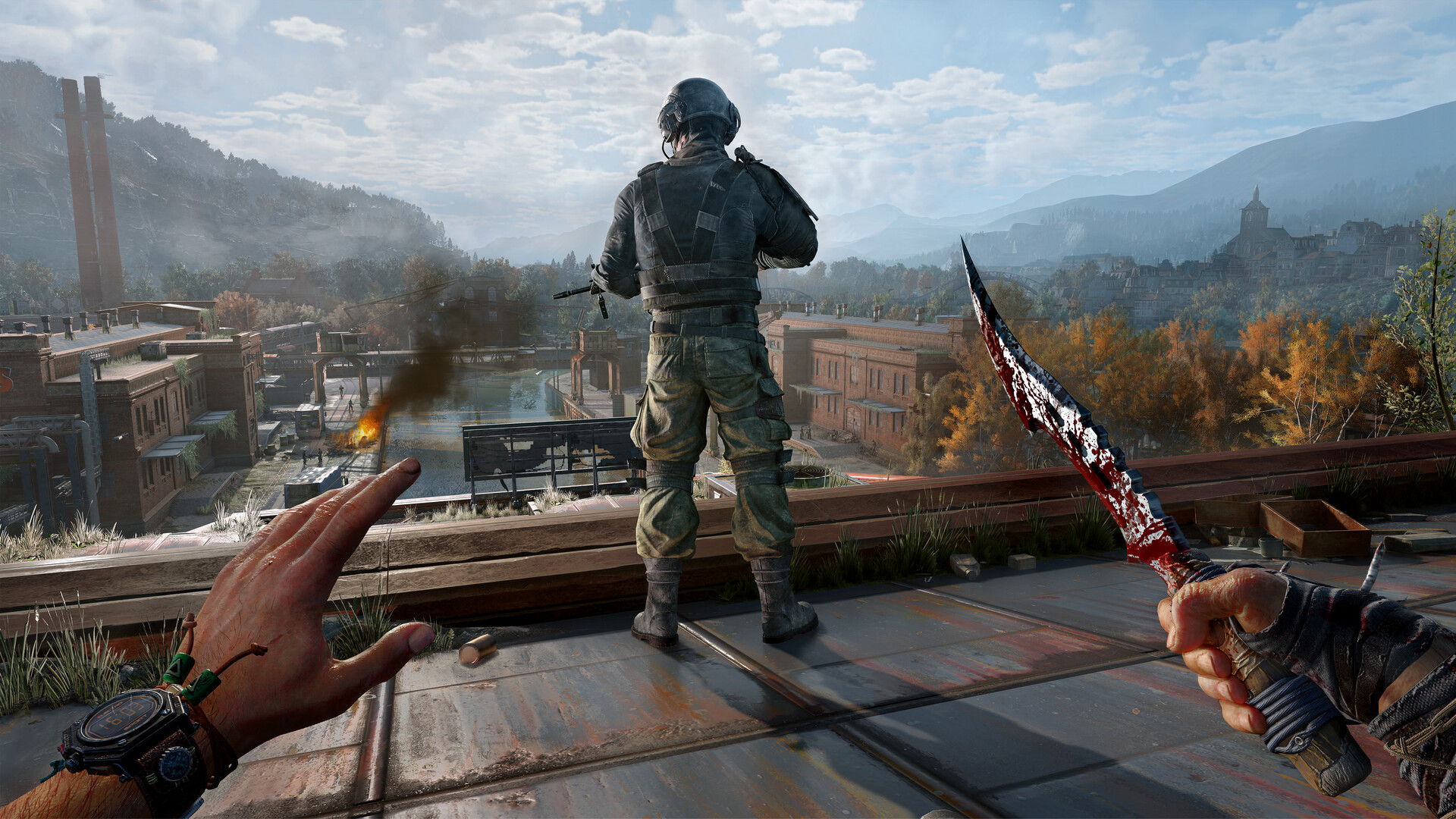
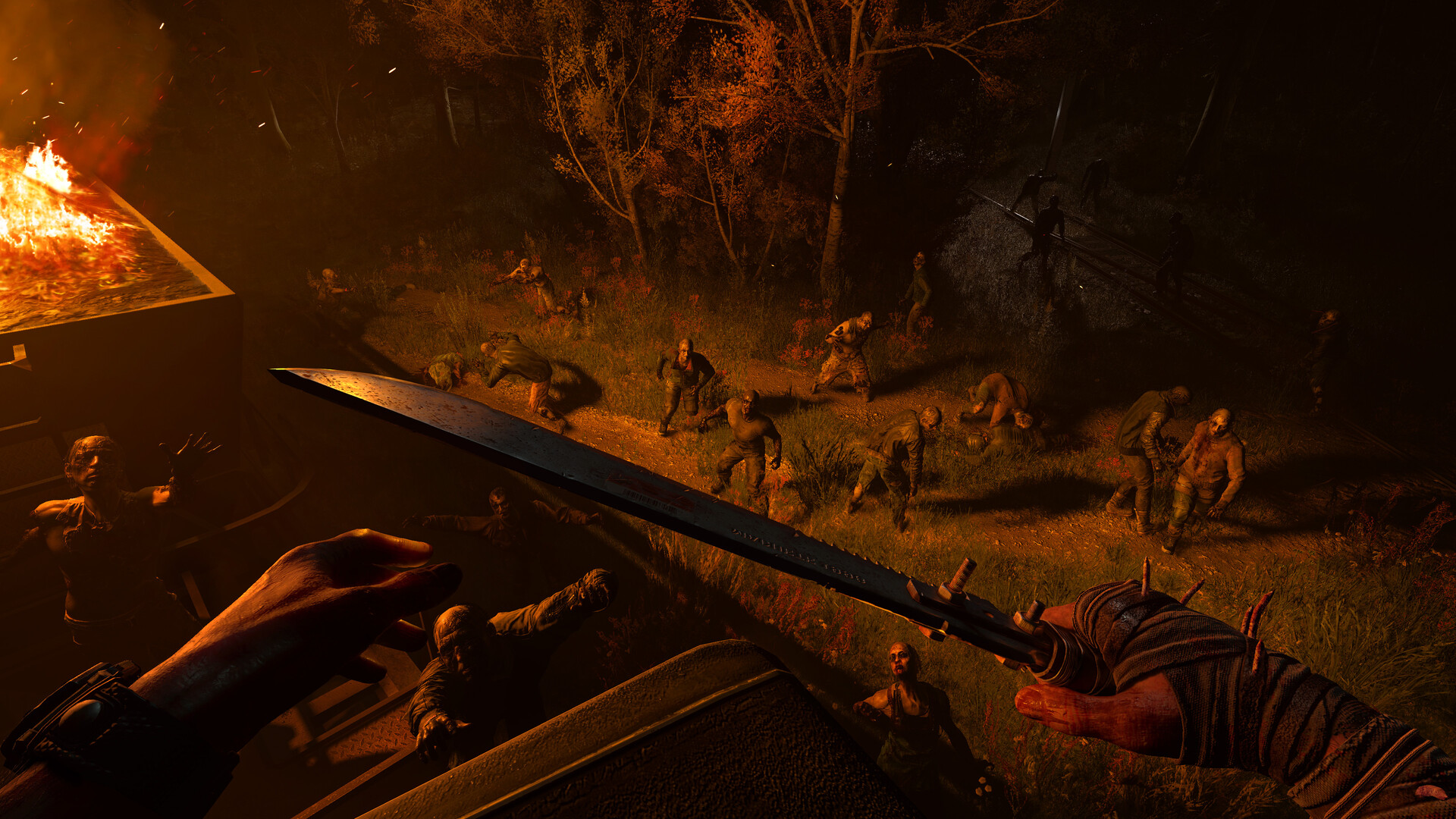
With The Beast, Techland tightens its experience around what has always defined the series: the urgency of movement, the brutality of combat and the fear of the night. Where Stay Human sometimes got lost in a profusion of systems, this new opus chooses clarity. Parkour regains an energy that surprises from the first minutes. Each climb, each jump, each escape becomes a panting breath again, a momentum that tears you away from the bite of danger. The roofs, the cabins, the twisted branches of Castor Woods become so many holds, so many chances to escape from a horde or gain a strategic point of view. The setting is no longer a simple setting: it is a partner, an accomplice, sometimes a trap.
But it is the introduction of the bestial power that truly transforms the dynamic of the game. At measured intervals, Crane can embrace the dark side left to him by the Baron and transform into a predator. Faster, more powerful, he splits the enemy ranks in a unleashing of brutal blows and spectacular projections. However, this force is never free. Each use reduces the boundary between man and monster, each transformation weighs as a reminder that survival always comes at a price. The player quickly learns to fear as much as to covet this ability, in a constant oscillation between intoxication and caution.
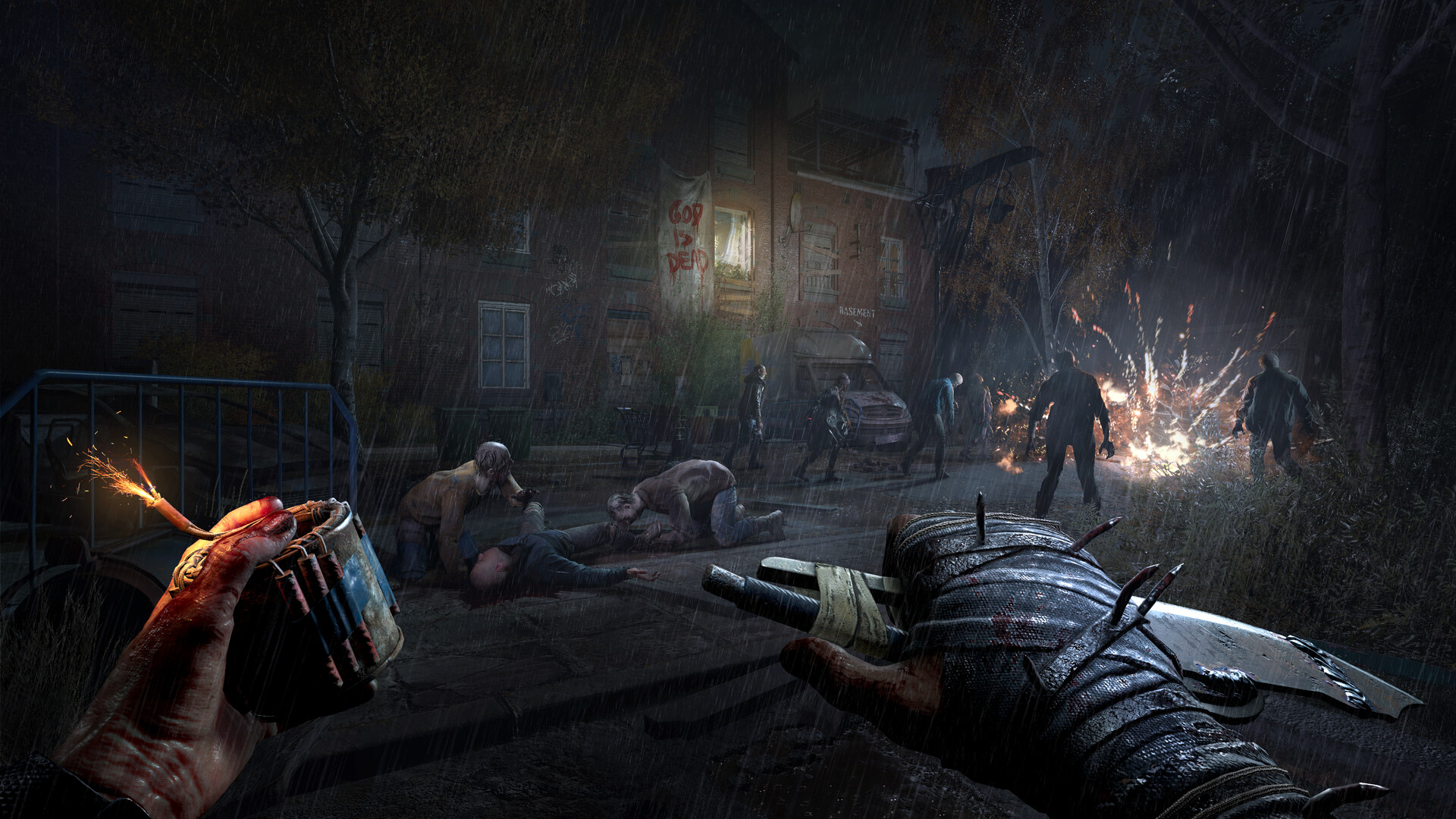
The clashes retain the roughness of the franchise. Weapons break, ammunition is counted, each improvisation is a matter of seconds. Nothing is ever comfortable there. A nailed board becomes a temporary salvation, an improvised torch the only defense against the darkness. This fragility gives back to combat a weight that we thought was lost, a reminder that the hero is not an over-armed soldier but a vulnerable survivor.
The structure of the game embraces this philosophy. Tighter and more concentrated, it links the sequences with continuous intensity. The main missions, stretched like a thread, lead Crane towards the confrontation with the Baron. Optional detours like searching a farm, protecting a camp, or exploring an isolated house are never simple asides. Each activity adds nuance, information, a new breath of progress. The world is not big for mere spectacle. It is dense, thought of as a labyrinth of woods and clearings where each detour can hide both a saving resource and a deadly trap.
In this concentration, Techland achieves what the previous episode did not dare: restore value at each step. We no longer cross the map for the pleasure of accumulating markers, we fight to survive the next night. And when darkness falls and the screams of the infected tear through the forest, the game reveals all its cruelty. Running becomes prayer, hiding becomes reflex, and adrenaline, more than a driving force, a drug that is impossible to give up.
A sylvan veil, an oppressive score
Castor Woods never seeks to seduce with variety or color. The valley imposes a decor of thick forests, rutted roads and dilapidated huts dominated by brown, gray and reflections of often cold light. Techland assumes an austerity which ends up weighing on exploration but which serves above all to install continuous oppression. The eye voluntarily gets lost in repeated patterns, the clearing resembles the previous one, the paths merge, and this lack of landmarks feeds fear more surely than a simple start.
The light works to reinforce this sensation. At sunset, the trunks cast long shadows that distort the space and trap the eye. The night plunges everything into a brutal contrast where only torches and embers illuminate a handful of meters, while the screams of the infected approach in waves. The moments when Crane releases his bestial side trigger bursts of effects, spectacular but sometimes confused, which convey the intensity of the metamorphosis to the detriment of immediate readability.
The soundscape completes this picture with chilling precision. The cracking of the branches, the blowing of the wind, the distant cries compose a canvas where the silence weighs as much as the noise. The music, discreet, prefers to accentuate moments of tension rather than dominate the whole. It emerges in a fight, disappears in a phase of exploration, leaves room for the scenery to breathe. Finally, the voices carry emotion: Crane, tired and marked by his years of survival, speaks with a gravity which reflects the weight of his scars, while Olivia embodies a more lively energy, a human counterpoint to the ambient darkness. Each survivor met at the Town Hall adds their nuance, between weariness and obstinacy, and gives flesh to a world that could have been satisfied with silhouettes.
The result imposes a strong coherence, sometimes too strict, but always at the service of the atmosphere. The uniformity can be boring, the overabundance of visual effects hamper readability, but the whole succeeds in this rare challenge: transforming a limited space into a psychological prison, and giving the player the feeling of being hunted by an environment as much as by his enemies.
Verdict
The roar of an impossible redemption
8.5/10
Dying Light: The Beast is not a simple extension, it is a reinvention that tightens the experience around what was the original strength of the saga. Techland abandons dispersion to return to raw fear, to pure adrenaline, to this feeling that every second of survival is earned. The story, refocused on Crane and his inner struggle, gains in intensity what it loses in scope. The gameplay, which has become fast-paced again, reminds us why the franchise made its mark from its first opus. Castor Woods, with its coldness and austerity, imposes a singular atmosphere, imperfect but coherent, which permeates every step.
It's not a perfect game. Linearity constrains freedom, visual uniformity ends up weighing down, and certain sequences saturated with effects break readability. But faced with these limits stands a work which assumes its choices, which dares to reestablish terror as the beating heart and which gives the franchise a clear identity. The Beast is both a scar and a rebirth, a bite that hurts but proves that blood still flows.
Pros
- The return of Kyle Crane and his tragic duality
- Castor Woods, oppressive and memorable
- Fluid parkour, always at the heart of the experience
- The monstrous powers that transform confrontations
- The sound and visual atmosphere, between beauty and horror
Cons
- Framerate drops and visual overload
- Some repetitions in progression loops