


Barbarian Saga: The Beastmaster
Beautiful duels in a kingdom that goes in circles
Score: 6/10
Images and videos


At a glance
We liked
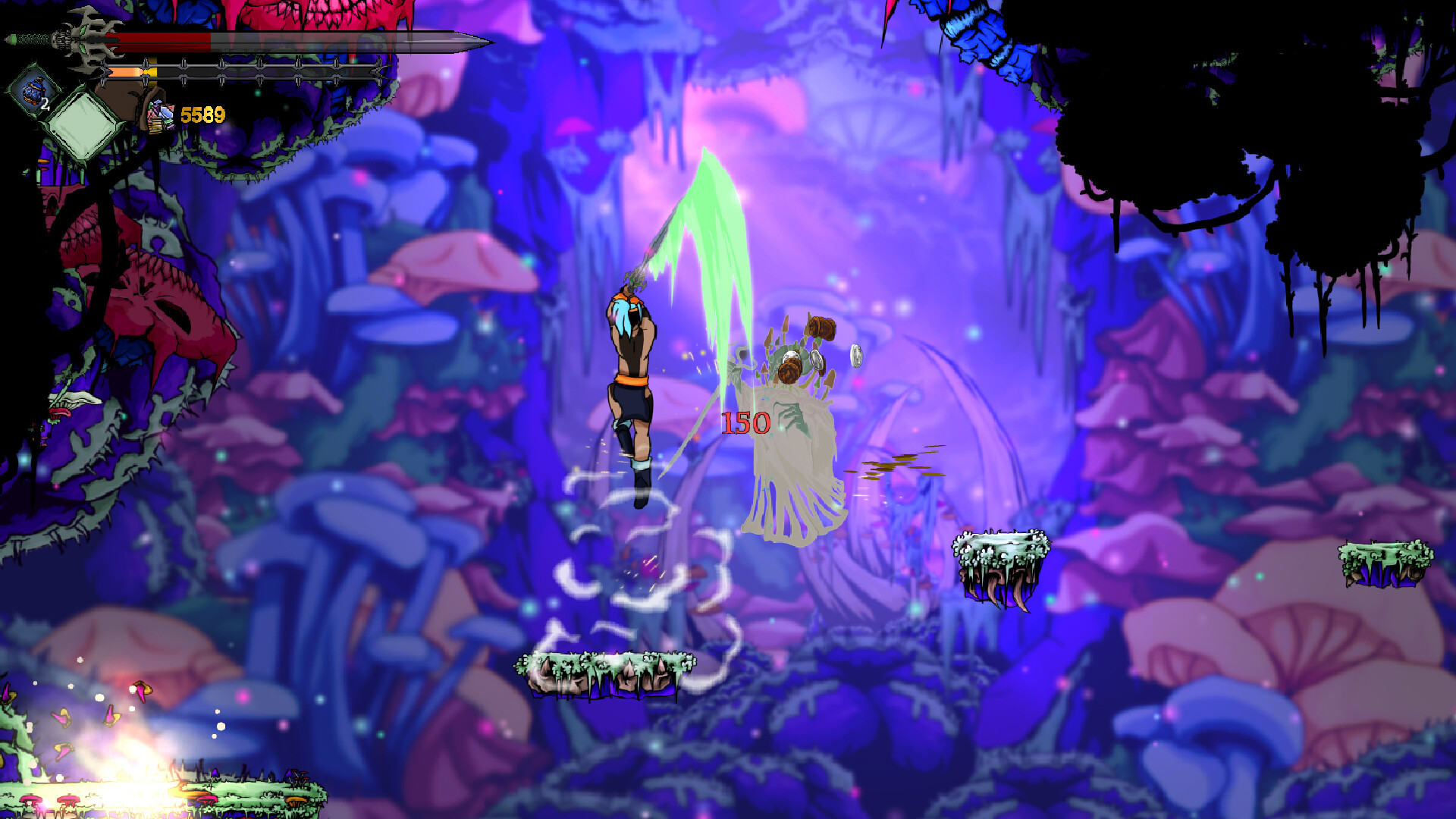
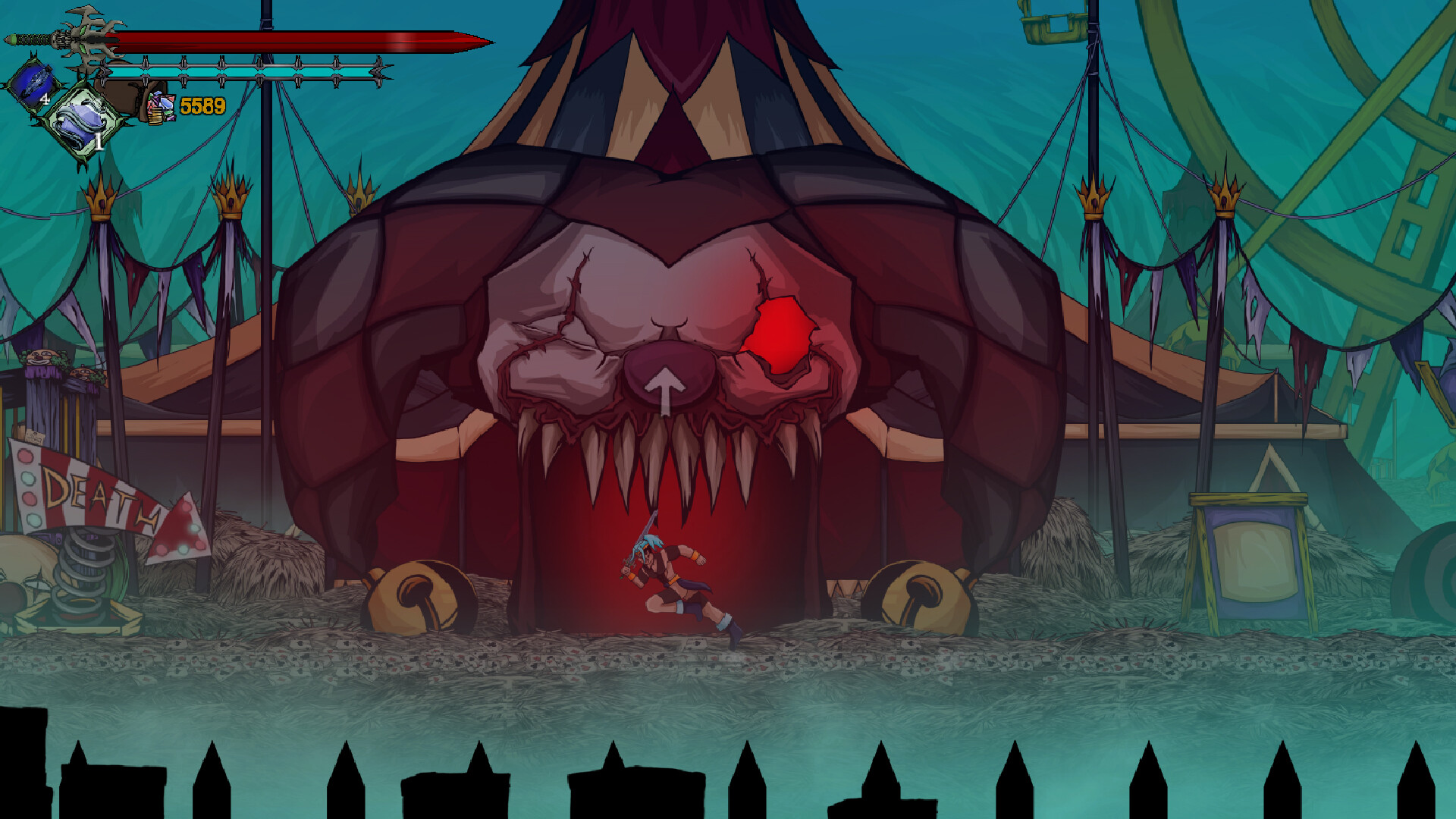
- Hand-drawn art that gives style to duels
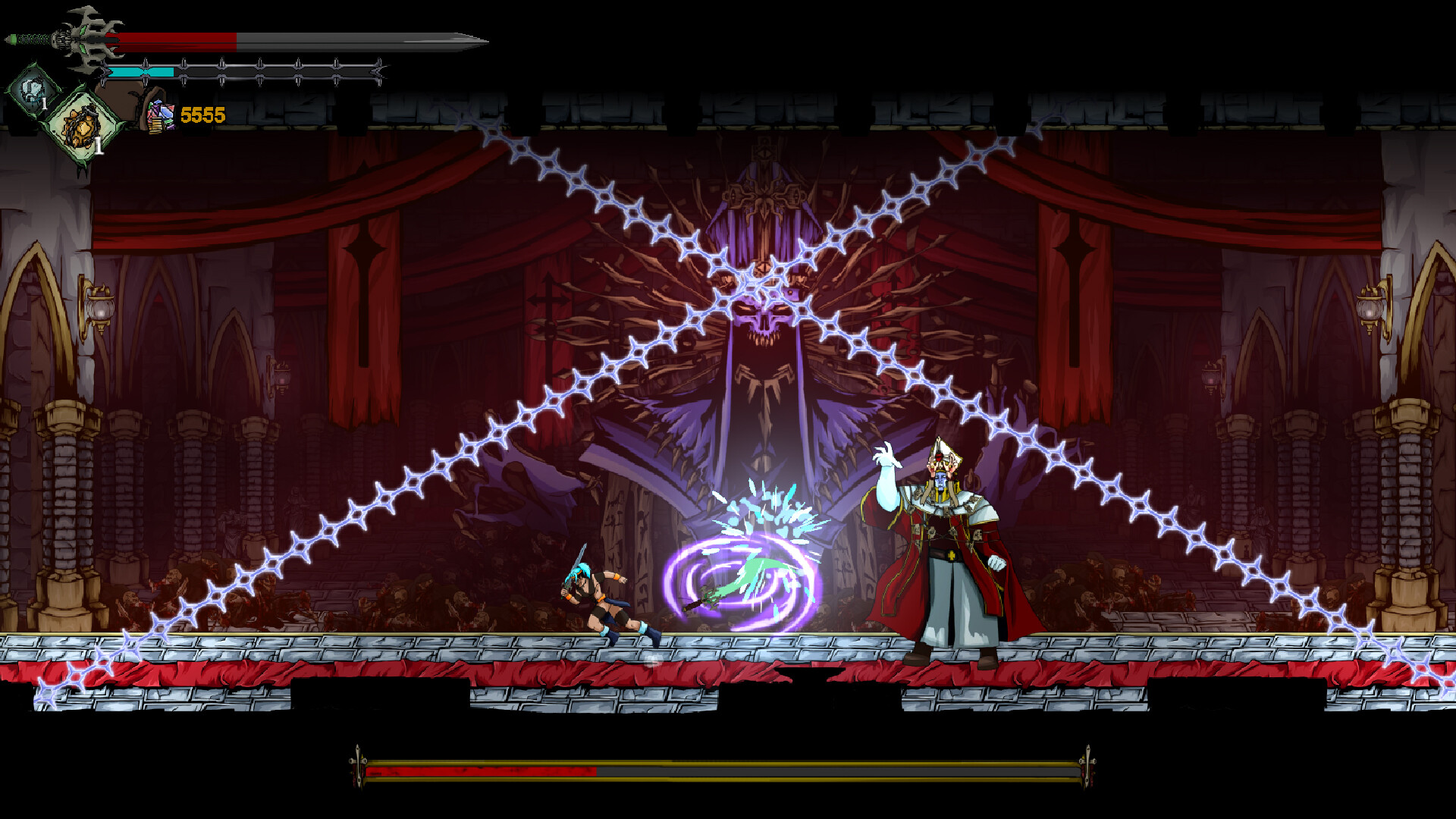
- Bosses whose attacks can be learned
- Transformations that open new roads
- Fast travel reduces some backtracking
We liked less
- The map provides poor information on the obstacles already encountered
- Detours too long for such simple objectives
- Flying enemies make some fights difficult
- Skills that are rarely worth the investment and uneven presentation
 By Farrel Grimwood · published · 4 min read
Contents
Dormidin Studio looked to Golden Axe and old sword-and-sorcery fantasy to dress up its first metroidvania. The connection pretty much ends there. The Spanish studio has not made a game where you choose a barbarian to hit from the first screen to the last. It gives Ren a sword, powers borrowed from creatures, and a realm that he must learn to traverse back and forth.
In Barbarian Saga : The Beastmaster, Ren starts in an arena and has good reason to want to get out. The game then offers him all of Arborea, or at least the paths that he is capable of opening with what he knows how to do. The drawing makes you want to see what is behind each door. But does the kingdom hold up as well as the duels for which the studio took the time to draw every single strike?
The arena was just the beginning
Ren is believed to be the sole survivor of the beast masters. His people were massacred and he ended up as a gladiator, fighting for the pleasure of those who held him captive. A sword gifted with speech finally offers him a way out. It seems like bad company, but it is the first thing to give him a chance at revenge. The game needs little to make you want to follow Ren out of the arena. Here he is free with a weapon that he has every reason to be wary of. That was enough to start with.
The story loses time as soon as it tries to explain the rest. The discussions lengthen while everyone’s roles are often clear well before the last line. The way Ren stands in front of someone who can take him down sometimes says more about the guy than an entire conversation. The drawing has the confidence that the text lacks. In particular, the art knows when to let an opponent fill the screen and when to pull back so that the start of an attack is visible.
First, find the permit
In Imperia, a guard blocks the road and demands a royal permit. Going into the woods to find it makes sense: you discover other places, spot obstacles, and start to get a feel for the area. The problem is that the search takes you through several areas before delivering the document. The map shows where to save and distinguishes major regions, but it says too little about what made you turn back. After a while, you don’t come back to check on a place you remember. We go over rooms we have already seen because we don’t know which one we searched incorrectly.
Ren’s powers are a good reason to turn around, however. Seeing a platform covered in spikes and thinking that you need a way to turn it over is a promise that the game can keep later. The Tower of the Condemned is less convincing when a jump seems out of reach and a sword swing in the air is enough to gain the missing distance. At this moment, nothing clearly distinguishes an obstacle created for future power from a maneuver that we have not yet understood. Fast traveling between trees saves time, but it doesn’t tell you where to return. And it is this information that we most often lack.
A good duel, when we let you lead it
Dormidin is much more convincing when it closes the doors and lets Ren fight. The spidery opponent, for example, can slash at close range, leap above him or force him to read a volley of projectiles. It hurts, but a defeat has the merit of giving an idea of what we need to correct. Taking the time to watch the movement and parrying is more valuable than hitting until something gives way. The duels in the arena particularly benefit from these large poses and these gestures designed to be read quickly.
Ordinary encounters do not have the same quality. In a corridor where a flying creature fires from a distance, you often have to find a corner from which to hit it rather than learning to fight against it. Buying an attack that hits above Ren can solve this type of problem, but other techniques do not always justify the gold and energy devoted to them. The basic attack is often enough. Add an occasionally soft image and movements that lack regularity, and we lose a little of the precision that the animations try to give. For a game that knows how to do such clean one-on-one combat, it’s a shame to spend so much time fighting with the rest.
Verdict
Ren deserves a better map
6/10
Barbarian Saga: The Beastmaster has striking looks and some really good duels. Dormidin Studio knows how to design an attack whose wind-up is clearly visible and build a boss that you want to try again straight away. Borrowing powers from creatures also makes sense in a kingdom whose routes we discover in stages.
But the game gives too few reasons to return to the right place and far too many opportunities to return everywhere. Between the map, the techniques which are rarely worth their price and the discussions which drag on, you have to be patient to find what the game does best. It’s a metroidvania that we remember for its arenas and its design, less for the pleasure of exploring Arborea.
Pros
- Hand-drawn art that gives style to duels
- Bosses whose attacks can be learned
- Transformations that open new roads
- Fast travel reduces some backtracking
Cons
- The map provides poor information on the obstacles already encountered
- Detours too long for such simple objectives
- Flying enemies make some fights difficult
- Skills that are rarely worth the investment and uneven presentation
More in Video games
Full library 8.5/10
Village in the Shade
SWITCH 5.5/10
Warrior Cats: Clans of the Forest
SWITCH 6.5/10
Demons’ Night Fever
SWITCH 8/10
Culdcept Begins
SWITCH 5/10
The Witch’s Bakery
SWITCH 7/10
Joe & Mac Retro Collection
SWITCH 6/10
Qliphah in Providence’s Shadow
SWITCH 8/10
Woodo
SWITCH 5/10
Disgaea Mayhem
SWITCH 5/10