
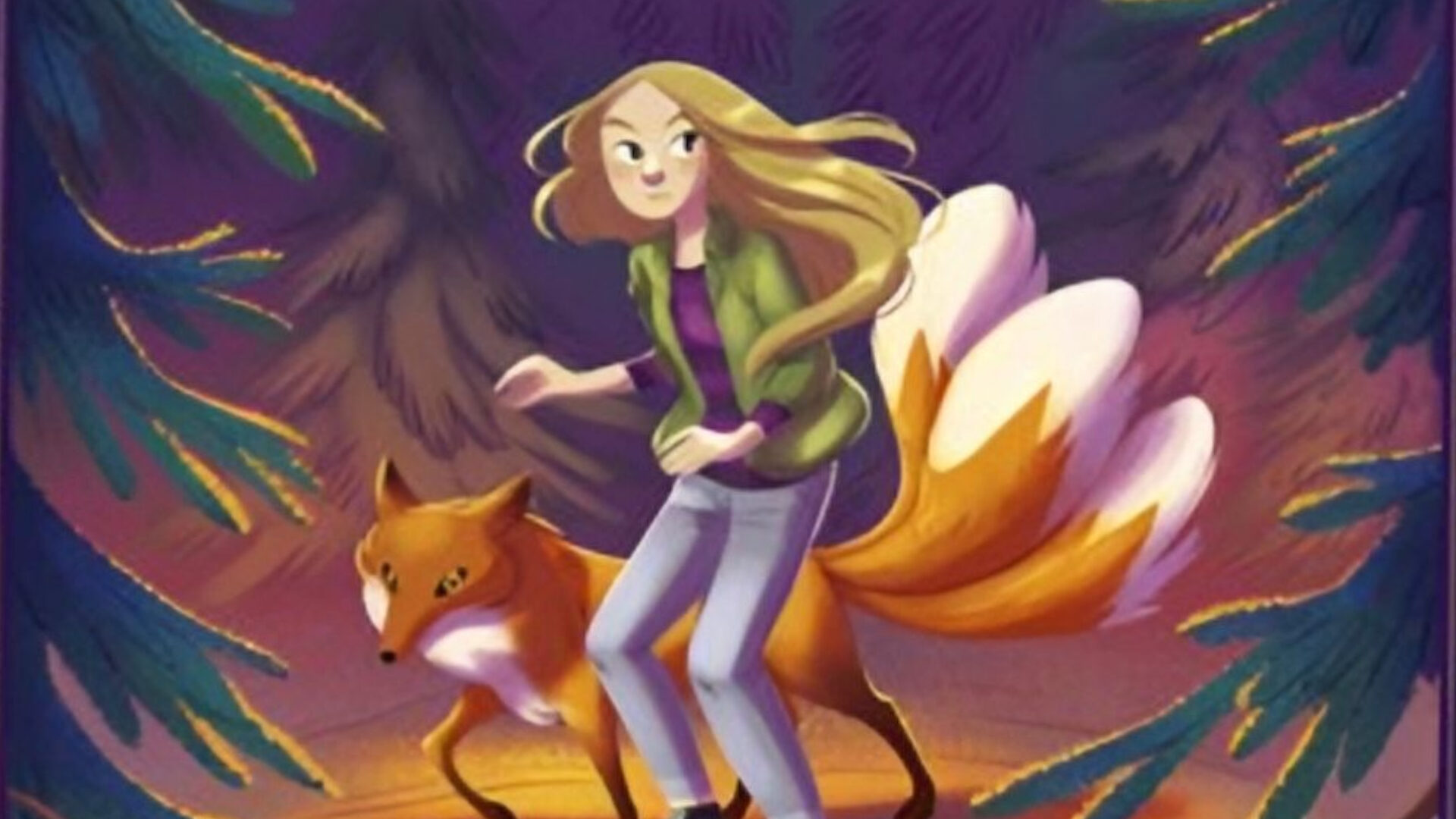
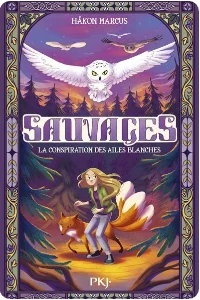
Sauvages Volume 1 : La conspiration des Ailes Blanches
Shapeshifters and some good surprises
Score: 8/10
Images and videos
At a glance
We liked
- A diverse society of shapeshifters, rooted in contemporary Norway.
- Inventive displays of magic, including the scarab scene.
- Embla’s need for recognition gives meaning to her choices.
- The evolution of the heroine's role renews a familiar plot.
We liked less
- An overly long introduction, followed by numerous explanations.
- Highly caricatured parents and sister at the beginning.
- The magical school and the trio of friends initially lack novelty.
 By Farrel Grimwood · published · 5 min read
Contents
Embla is approaching her thirteenth birthday and would especially like to be left alone. Her only friend has moved away, her sister treats her like a family disgrace and her parents have decided to force her to be sociable. A beetle capable of moving the letters in a book will give her other concerns. With Sauvages, his first novel published in Norway in 2023 under the title Villdyr, Håkon Marcus sets up a society of shapeshifters in contemporary Oslo.
Pocket Jeunesse publishes this first volume with a translation by Pascale Mender. The secret school, the powers to be discovered and the enemies who are too interested in the heroine are reminiscent of many familiar readings. The author frankly builds on these habits, with some less expected ideas about the place Embla hopes to find. What gives this new series a personality?
A family that is hard to put up with
The beginning takes the time to make Embla’s life painful. Her mother turns every conversation into a personal development conference. Her father sees the outdoors as the answer to almost everything. Malene, her older sister, combines the qualities that the family appreciates and uses them to demean her. Embla prefers books, music and sarcastic comments. She can be unfair, sullen or contemptuous in turn, which prevents her from remaining a characterless victim.
The gradual disappearance of her bond with Fernanda, the friend who moved away, is more touching than the arguments. Their exchanges become rare and Embla hesitates to contact her for fear of appearing invasive. This detail explains her loneliness without needing to insist. She has already had a friendship in which she felt good; she would like to find it, but cannot replace it.
The family humor is much more pronounced. To force her outside, her parents bar her from her room and confiscate all the books, including cooking recipes. The absurdity makes you smile, but the violence of this punishment goes beyond simple educational awkwardness. By making adults unbearable, the novel simplifies their relationship with Embla. The reader quickly understands why she is trying to escape; a few fewer scenes would have been enough to establish the problem.
The magic begins in a book
Taking refuge in the garage with The Mysterious Island, Embla sees the insect recovering the printed letters, rolling them into a ball then rearranging them to write to her. The process is precise, strange and quite easy to imagine. Magic intervenes in the activity which already serves as a refuge, which gives much more charm to the scene than a simple announcement of extraordinary powers.
She then discovers shapeshifters: animals capable of taking human form, who live in secret among the inhabitants. The novel includes small species as well as predators, and the relationships between clans go beyond the question of who has the biggest claws. Territories and the maintenance of their powers are at the heart of rivalries. Nature therefore shelters a society with its interests, its rules and its conflicts.
Being anchored in Oslo also brings something concrete. The Vigeland Sculpture Park serves as a point of contact with this hidden world. Using such a recognizable real location allows you to maintain a connection with the city when the adventure becomes more fantastical. The universe gains identity without it being necessary to multiply the explanations for the whole of Norway.
Pursued by owl witches, Embla finds refuge in a secret school. The setting allows you to discover powers, meet allies and understand the dangers that surround you. We easily recognize the structure popularized by Harry Potter: A child uncomfortable in their ordinary life enters a place where their difference becomes important. The connection is obvious, and the book does not immediately detach itself from it.
The adventure takes on more interest when Embla must participate in a challenge in the wild with two new companions. The knowledge acquired must then be used for something other than following explanations. The group faces a dangerous environment, with the added difficulty of not knowing exactly who to trust. The clans have their objectives, and the line between aid and manipulation remains uncertain. This doubt maintains the suspense better than the mere presence of the pursuers.
Friendships find real use there. Embla needs others to move forward, even though she spent the beginning of the novel protecting herself from everyone. The change is understandable, because their new bonds are built in situations that they must face together. The trio remains a classic formula, but it gives the story a little warmth amid the threats and power struggles.
Embla wants to believe she matters
The question of her animal form accompanies the entire discovery of this universe. Others can transform; Embla doesn’t know what she’s supposed to become. Her powers attract attention, but don’t give her the answers she wants. This lack is well exploited: each new piece of information can bring her closer to her true nature or reinforce an overly flattering interpretation of her role.
It is above all her desire to be recognized which makes this plot interesting. After being treated like a problem, she discovers people to whom she could mean a lot. We understand why she wants to believe them. The novel thus links the marvelous to a very ordinary weakness: it is difficult to doubt a speech which finally grants us the place we hoped for. Embla is endearing in this need, even when she accepts a little quickly what suits her.
Without revealing what the last movement has in store, the story ends up calling into question certainties that the first chapters seemed to encourage. This development gives more meaning to the similarities with chosen-one stories. The book takes a stand on what can make its heroine important, instead of simply attributing greater power to her. This is its strongest argument to make you want to continue the series.
This good idea does not, however, remove all the padding. Daily family life emphasizes conflicts that are already understood, then arriving at the shapeshifters requires assimilating new rules. The reader is given a lot of information before the ordeal and conspiracy really take over. The universe is sufficiently coherent to justify explanations, but their distribution lacks flexibility.
Tone helps keep you going. Embla has a sharp tongue, and her view of adults provides several comic details. The scene where her sister imposes a photo shoot on her in the woods, in exchange for a phone that she wants to use to contact her friend, sums up their relationship well. The small negotiation turns into blackmail, then into conflict, without interrupting the fantastic thread. These situations work better than general reminders about feeling different.
The 352 pages still require a reader already accustomed to long novels. Between the humiliation at school, family pressure and pursuit, the content goes beyond the reassuring little animal adventure. It retains humour and a real desire to amaze, but also leaves Embla in uncomfortable situations. The paperback at 17.90 euros launches a series for which this volume lays the foundations and renews the issues.
Verdict
A series that deserves its chance
8/10
Savages - The White Wings Conspiracy begins with very familiar elements, but Håkon Marcus gradually gives them their own interest. The society of shapeshifters, the first manifestations of magic and Embla's need for recognition are the best reasons to linger there. Above all, questioning one’s role brings something more interesting than a new demonstration of power.
The beginning would have benefited from being tightened up and the family lacks nuance. These limits are felt, without spoiling an adventure which becomes more gripping as the alliances become more complicated. A good first volume of fantasy for young readers, with enough ideas and character to make us want to find Embla again.
Pros
- A diverse society of shapeshifters, rooted in contemporary Norway.
- Inventive displays of magic, including the scarab scene.
- Embla’s need for recognition gives meaning to her choices.
- The evolution of the heroine's role renews a familiar plot.
- Humor, friendship and alliances that maintain the suspense.
Cons
- An overly long introduction, followed by numerous explanations.
- Highly caricatured parents and sister at the beginning.
- The magical school and the trio of friends initially lack novelty.
More in Books
Full library 7/10
One of Us Is Next
PKJ 8/10
100 Films d’animation japonais
Yniss 8/10
The Witcher: A Little Sacrifice
Bragelonne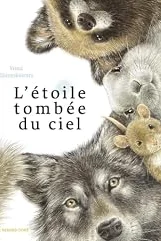 9/10
The Star That Fell from the Sky
 8/10
Mégères et vamps face caméra
L’Harmattan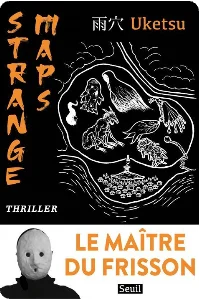 8/10
Strange Maps
Seuil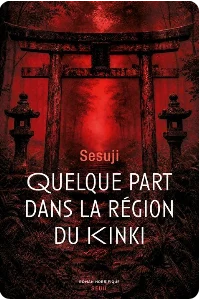 7.5/10
Quelque part dans la région du Kinki
Seuil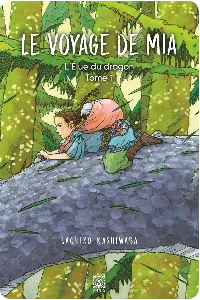 7.5/10
L’Élue du Dragon Volume 1: Le Voyage de Mia
Ynnis Éditions 8/10
Comme dans une romance de Noël… ou pas !
Hauteville 9/10