
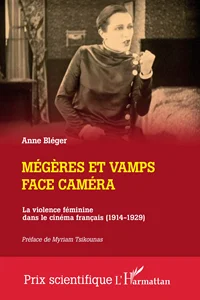
Mégères et vamps face caméra
What silent cinema made of women who dared to raise a hand
Score: 8/10
Images and videos
At a glance
We liked
- The comparison between women and men starts with gestures and reactions that are easy to pick out.
- The Henriette Caillaux front page and the shot from Les Vampires make a telling pair.
- Bléger explains how she selected the films and what the evidence can and can’t show, including when films are lost.
We liked less
- The introduction slows when theoretical references take over from the scenes.
- Some categories of violence are broad enough that the films are needed to understand what the figures group together.
 By Farrel Grimwood · published · 4 min read
Contents
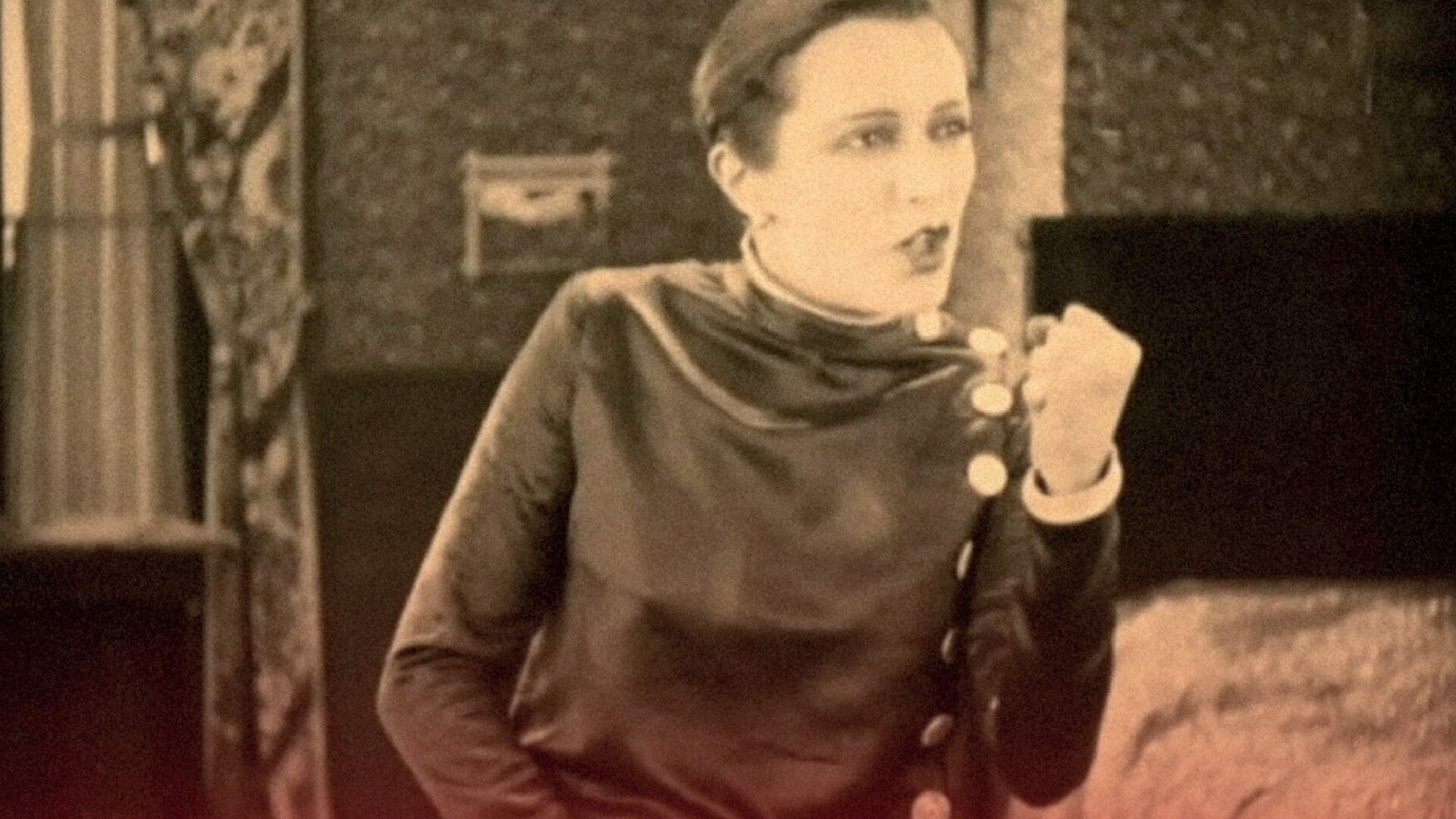
In La Dame masquée, Hélène points a revolver at her lover. He doesn’t flinch. In La Dixième Symphonie, a marquis shakes as he prepares to fight a duel and is made a laughingstock. Anne Bléger opens Mégères et vamps face caméra with comparisons like this. A woman has the means to kill, and the man facing her doesn’t take her seriously. A man lets his fear show, and his peers make him pay for it. There’s a weapon in both cases. The difference is what each person is expected to do with it.
Subtitled La violence féminine dans le cinéma français (1914–1929), the book covers the period from the Great War to the arrival of sound. Bléger follows female criminals, women defending themselves and actresses who finally have something to play other than the love interest. The foreword, introduction and opening of the first chapter already give plenty to discuss about her method. What changes on screen when a woman holds the weapon, and where does the film direct the audience’s attention?
A revolver isn’t enough
The comparison between the two films works because Bléger also looks at the person on the receiving end of the threat. The lover’s composure makes it harder to believe Hélène will shoot. The marquis, meanwhile, is judged by the men watching the duel. What happens around the weapon matters as much as whose hand it’s in. It’s a clear example of who gets to be afraid in these roles, and how the performances around them keep that rule in place.
Musidora immediately complicates the picture. In Louis Feuillade’s serials, Irma Vep in Les Vampires and Diana Monti in Judex have the cool head other films are more inclined to give their men. The comparison has bite because Bléger makes room for that exception from the start. Even Irma Vep is a problem if she’s too quickly filed under liberated women. In Les Yeux qui fascinent, she kills the Grand Vampire under Moreno’s influence. An actress can dominate a scene even when the decision to kill belongs to someone else. That difference matters when considering what these roles offered actresses.
From the newspaper to the screen
The most striking visual comparison in the opening pages fits on a single sheet. At the top, the illustrated supplement of Le Petit Journal depicts Henriette Caillaux shooting Gaston Calmette, the editor of Le Figaro, in 1914. Below it, a still from Les Vampires shows Irma Vep with her arm stretched toward her target. In both images, the armed woman is on the right and the man is on the left. The resemblance is clear before the caption has even been read.
The juxtaposition makes the opening of the first chapter particularly interesting. Bléger notes that filming on the Caillaux case began before the trial ended. The movement from crime story to press illustration to fiction is tangible enough to show why the study starts in 1914. Still, the resemblance only goes so far. It shows that the same motif was in circulation. More evidence would be needed to establish exactly what Feuillade borrowed from that cover. It’s precisely that distinction that makes Bléger’s approach worth following.
What the figures leave out
Bléger starts with 1,839 films made during the period. She identifies acts of violence by women in 511 of them and selects 102 for closer analysis. She also explains how she works when no print survives. Scripts, posters and promotional materials sometimes preserve evidence of a violent act. That’s enough to identify it. To tell how the actress performs it or what the framing shows, there has to be a scene to go back to. The introduction does a good job of making that difference in evidence visible.
The tables are trickier. One, for instance, groups child abuse, abandonment and abduction in a single category. It makes sense for spotting trends over sixteen years. It also loses some of what separates a child being hit by a stepmother from a child being made to disappear on screen. The figures map the territory. They get interesting when the discussion comes back down to the level of individual films.
An introduction that changes pace
The book is at its clearest when it starts from a detail of how a scene is staged. La Marâtre, made by Alice Guy in 1906 and brought in from outside the period under study, is a good example. The stepmother hits the child in front of the camera. The audience sees the act and how long it lasts. That detour shows what Bléger is looking for in a scene of violence and what a still image, however explicit, leaves out.
The reading slows when the introduction races through scholarship on crime, anthropology and film in a few pages. The references put the research in context, but there can be a long wait for the next film to show what an idea changes about the way a shot is read. That density is the clearest drawback of the opening. As soon as Bléger comes back to a scene, the subject gets its force back and makes the films worth seeking out again, even the familiar ones.
Verdict
Back to the films with better questions
8/10
Anne Bléger is at her most convincing when she puts two scenes side by side and takes the time to explain what sets them apart. The comparison between the unruffled lover and the ridiculed duelist is enough to show how a film decides what a threat is worth before a shot is even fired. The detour through the 1914 press adds weight to the study too. Audiences had already seen women with weapons on the front page before they saw them at the cinema.
The introduction gets harder going when it leaves the films behind and the references pile up, and the tables take a careful reading. Still, the way Bléger reads the staging makes a strong case for carrying on.
Pros
- The comparison between women and men starts with gestures and reactions that are easy to pick out.
- The Henriette Caillaux front page and the shot from Les Vampires make a telling pair.
- Bléger explains how she selected the films and what the evidence can and can’t show, including when films are lost.
Cons
- The introduction slows when theoretical references take over from the scenes.
- Some categories of violence are broad enough that the films are needed to understand what the figures group together.
More in Books
Full library 8/10
100 Films d’animation japonais
Yniss 8/10
The Witcher: A Little Sacrifice
Bragelonne 7/10
One of Us Is Next
PKJ 9/10
The Star That Fell from the Sky
 8/10
Strange Maps
Seuil 7.5/10
Quelque part dans la région du Kinki
Seuil 7.5/10
L’Élue du Dragon Volume 1: Le Voyage de Mia
Ynnis Éditions 8/10
Comme dans une romance de Noël… ou pas !
Hauteville 9/10
Urbex Stories
Tempus Fugit 7/10