
Sudden Strike 5
The war is won through logistics
Score: 7.5/10
Images and videos
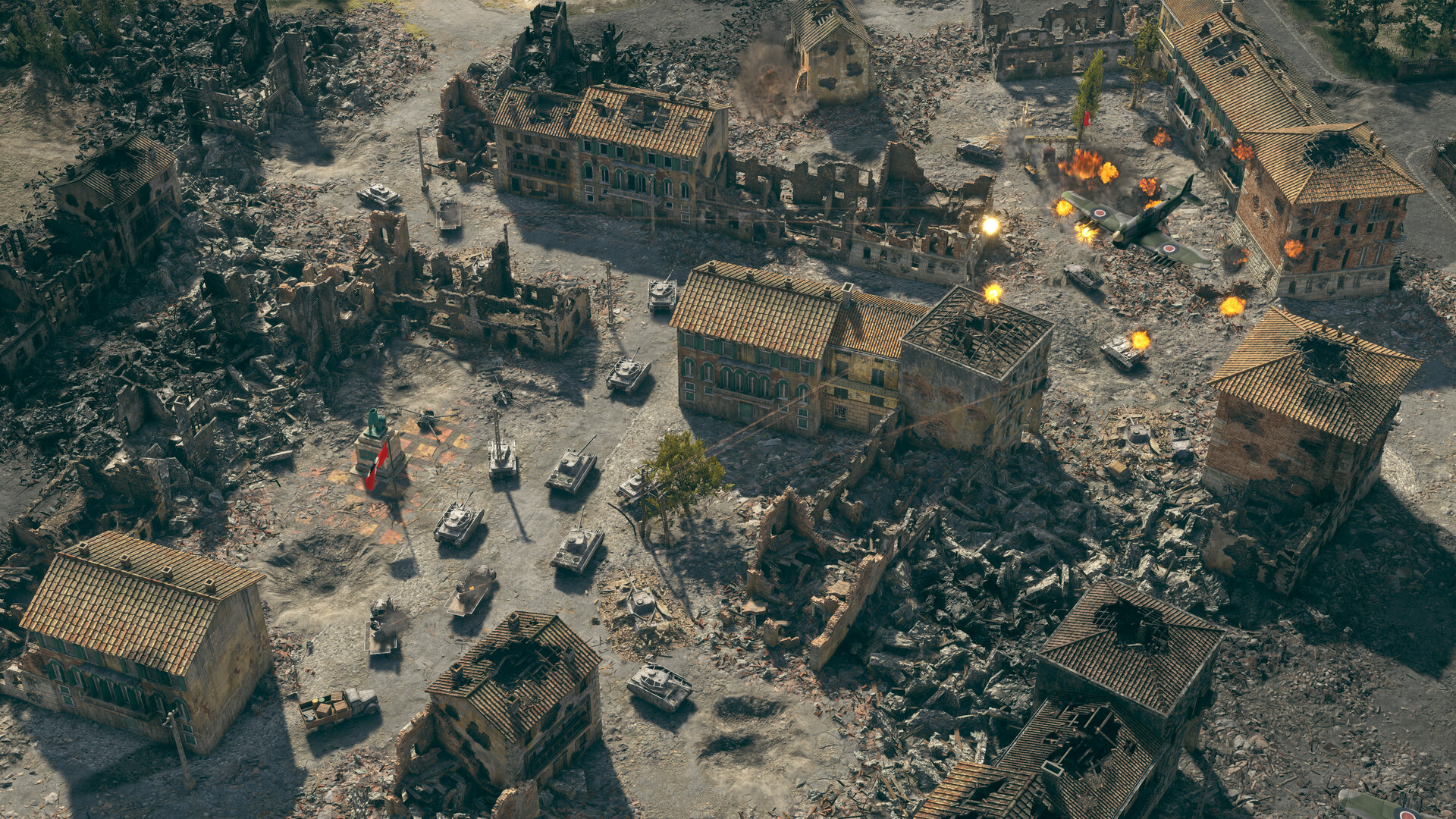
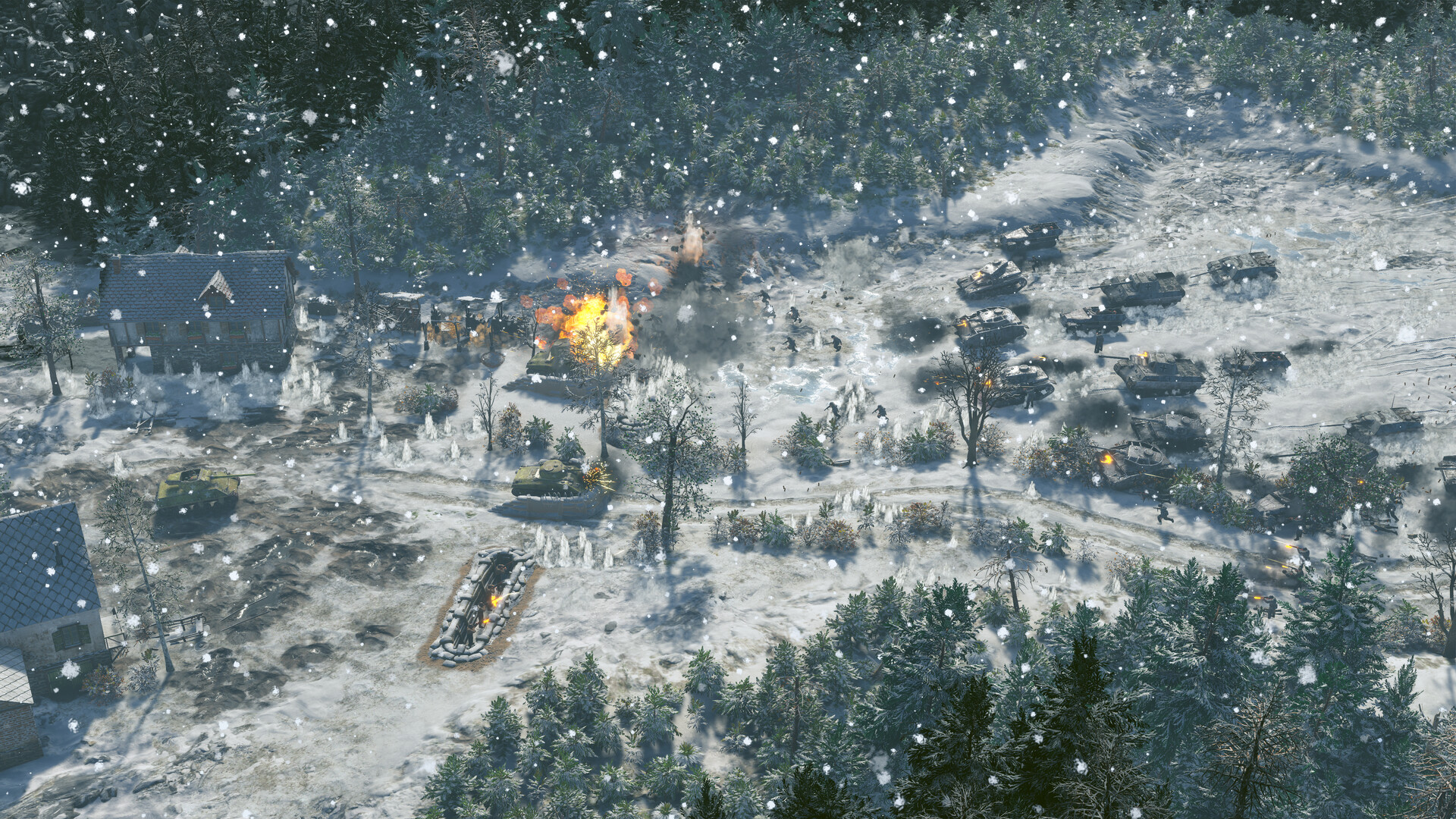
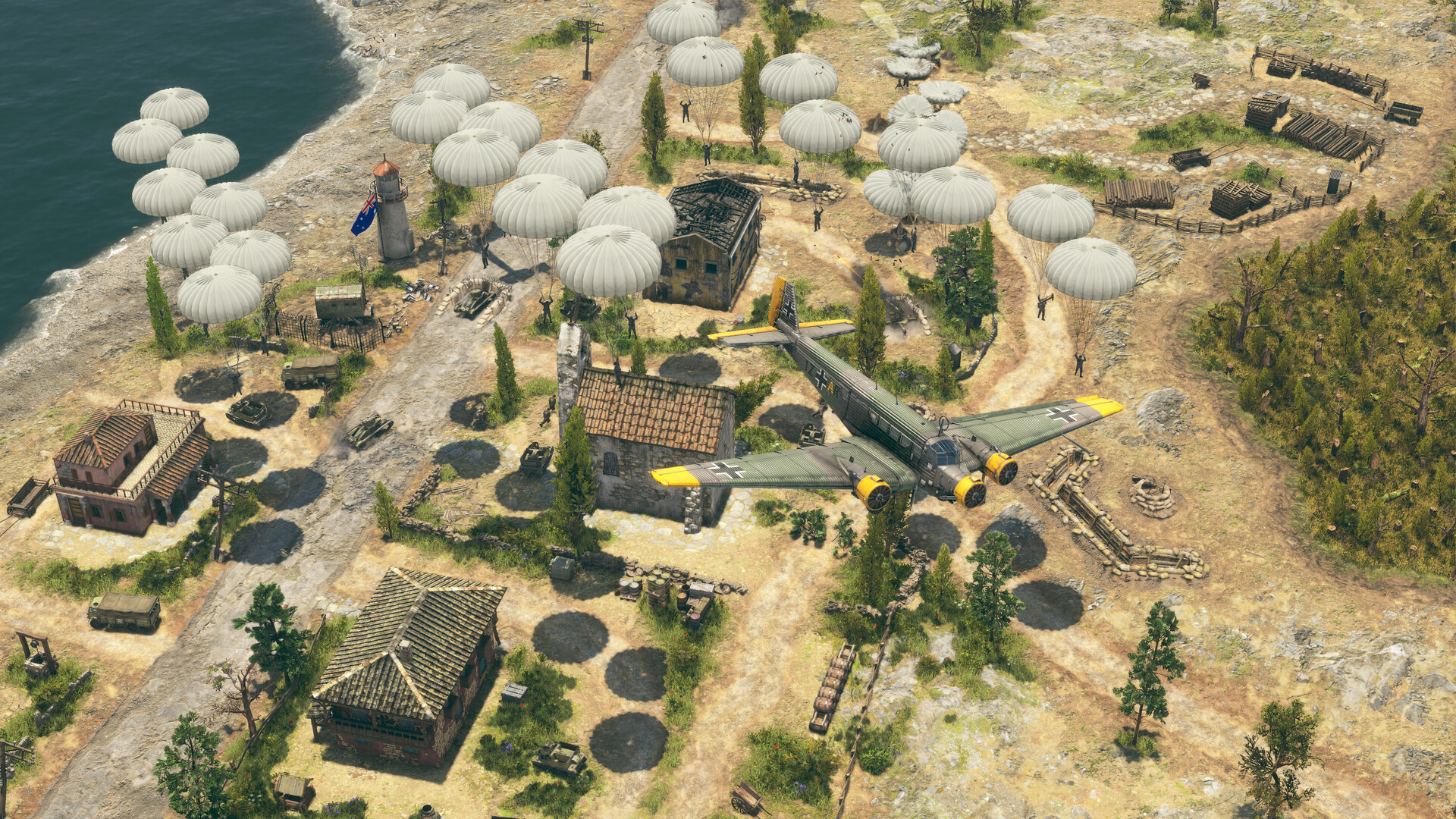
At a glance
We liked
- Large maps that encourage tactical approaches
- Supply management gives weight to decisions
- More than 300 units and a great variety of situations
- Commanders provide real direction
We liked less
- Too heavy a console interface
- Unit selection lacks precision
- Sometimes irregular AI and difficulty
- A serious campaign with little human presence
 By Farrel Grimwood · published · 4 min read
Contents
Sudden Strike 5 isn’t trying to make World War II more modern than it is in the video game. It returns to a drier pleasure: placing your units, observing the terrain, managing ammunition, protecting your armor, advancing too quickly and then immediately regretting it. The series keeps its central idea. No base building to hide mistakes, no infinite production to fix a bad decision. What we lose on the map, we really lose.
Kite Games increases the scale without changing the nature of the conflict. Twenty-five missions, larger maps, more than three hundred units, commanders capable of directing the strategy, objectives which go around each other more than they cross each other head on. Sudden Strike 5 wants to make people feel that the battle is being prepared as much as it is being won.
On Xbox Series X|S, the result is solid, but not always comfortable. The game has the good idea of letting its maps breathe, of giving real room for reconnaissance and alternative routes. It also retains the usual problems of console strategy: heavy selection, groups of units that are difficult to handle, an interface that slows down an already demanding action.
Maps that command respect
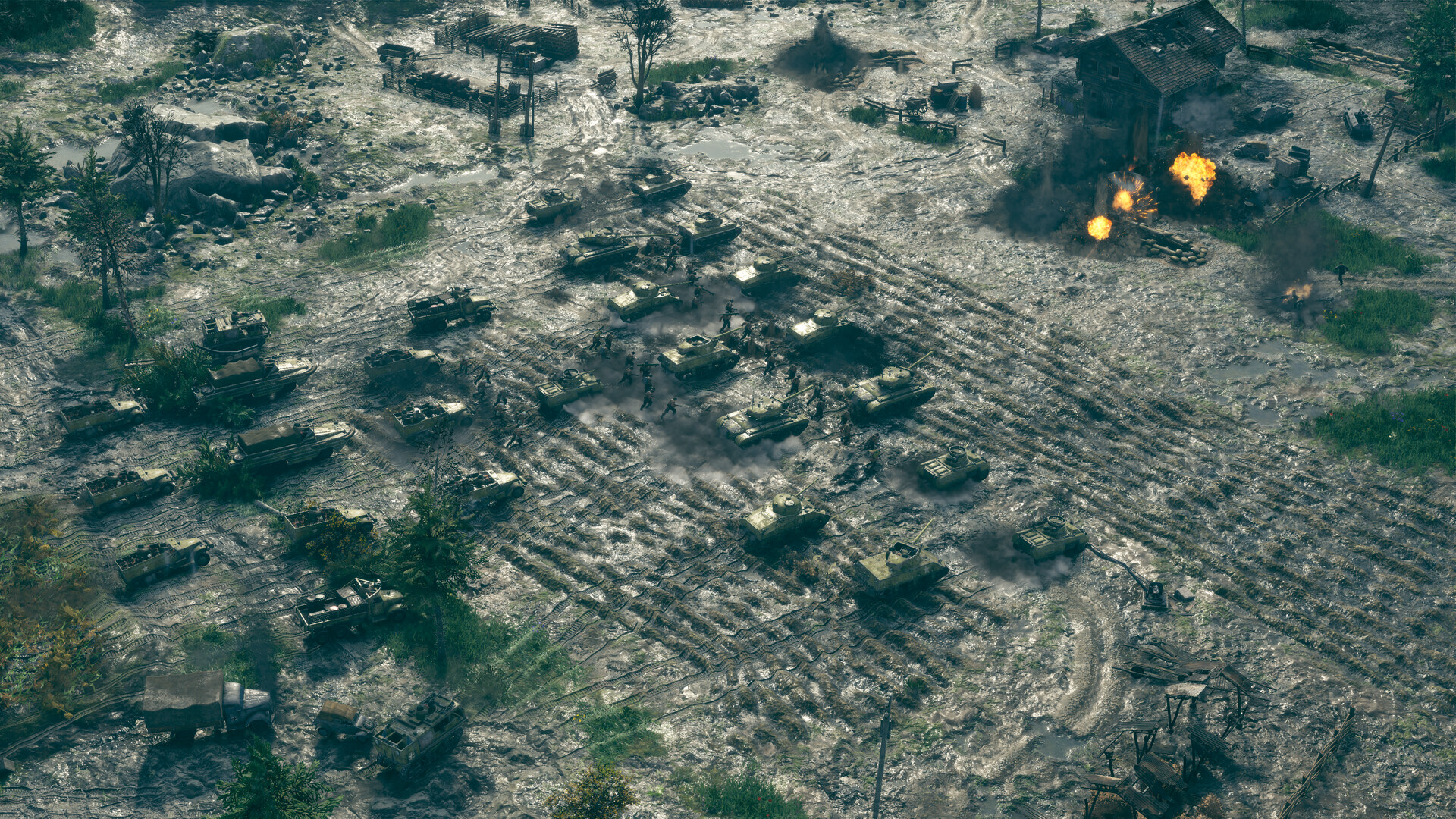
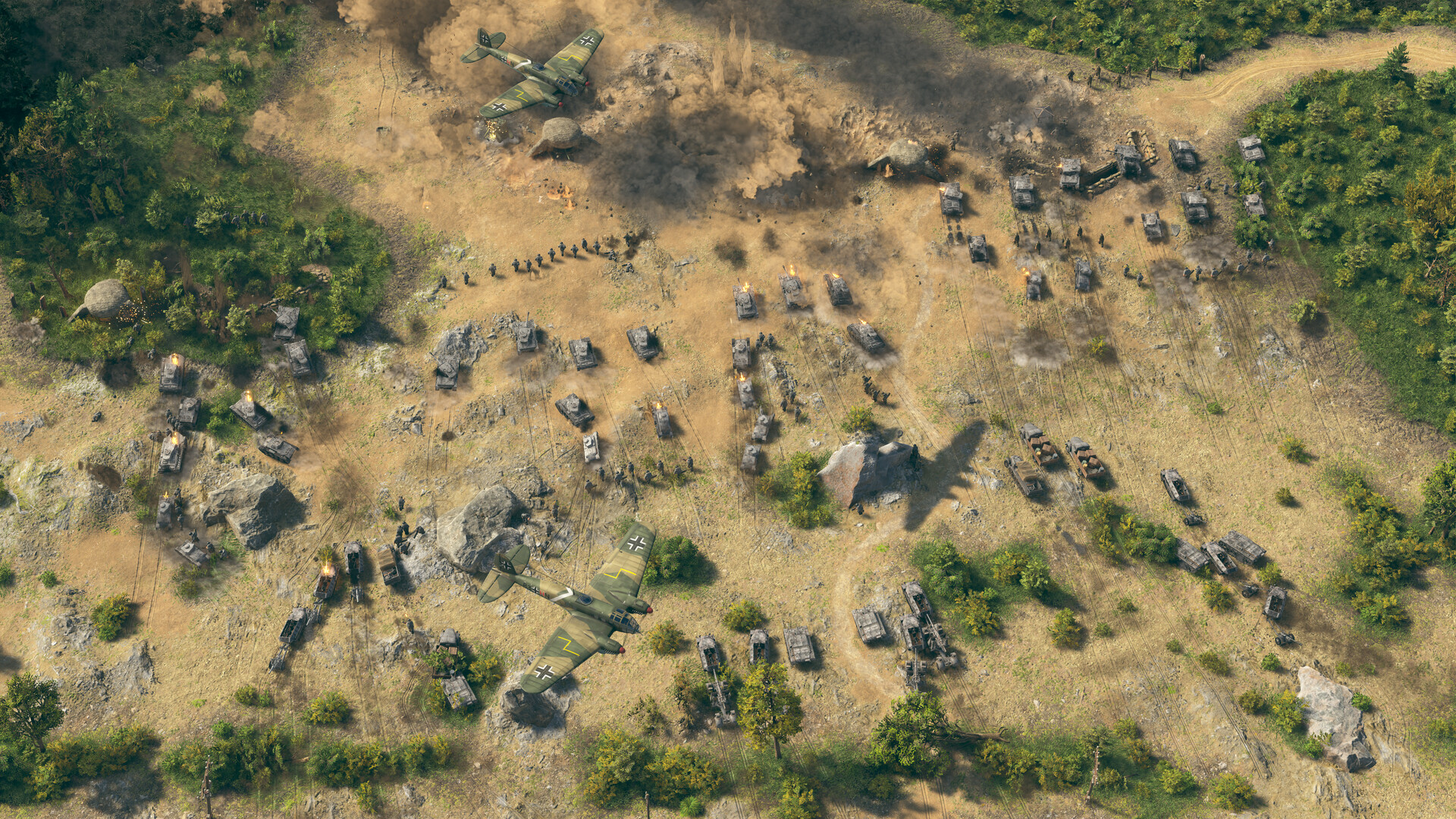
The best of Sudden Strike 5 comes from its battlefields. Missions aren’t just about sending everyone towards the main objective. You have to read the map, understand the lines of defense, locate the depots, choose where to risk your armor and where to put the artillery to work. The game rewards patience more than aggression.
This patience gives good times. A successful flanking movement, a scout positioned in the right place, a bridge destroyed at the right time or a depot taken before the enemy really changes the appearance of a mission. Sudden Strike 5 works when it gives the player the feeling of having won the battle by having understood the map, even before launching the assault.
Commanders add an interesting layer. Their skills do not change everything, but they guide the way an operation is approached. Smoke bombs, artillery bonuses, defensive advantages or a more offensive approach: the system gives enough relief to prevent all missions from playing out in exactly the same way.
Supply at the heart of the game
Sudden Strike 5 is not just a game of historical units. It’s a game of constraints. Tanks are impressive, but they need fuel. Artillery reassures, but it consumes. Infantry opens up possibilities, but it quickly disappears if it is poorly placed. Victory therefore comes less from mass than from maintaining what we already have.
This logic gives the game a real identity. We don’t just win fights. We are trying to maintain an operational force in good enough condition to survive what comes next. Each significant loss weighs on morale, not just because it slows down the mission, but because it serves as a reminder that Sudden Strike refuses to give out a second army every five minutes.
The difficulty often lies in this balance. When it’s right, it makes the slightest breakthrough satisfying. When it goes wrong, it becomes more frustrating. Certain missions lack flexibility in their increase in pressure, and artificial intelligence does not always have the finesse necessary to support the great ambitions of the field.
An interface that also struggles
The Xbox version does what it can with a genre that rarely likes controllers. The camera options help, the zoom helps capture the scale better, and the tactical pause makes busy moments more manageable. The game is not unplayable on console. It just takes more effort than expected to achieve the ease of use that its maps deserve.
Unit selection remains the most difficult point. Forming a group, isolating infantry, properly moving several vehicles, reacting quickly when an ambush is triggered: all this happens less naturally than with a mouse. In a game where timing matters so much, every control detour becomes visible.
The tutorial and learning curve also deserved more care. Sudden Strike 5 quickly assumes that the player will accept learning through failure. This is consistent with its tactical requirements, but less with its ambition to reach a wider console audience.
Not a revolution, a real return
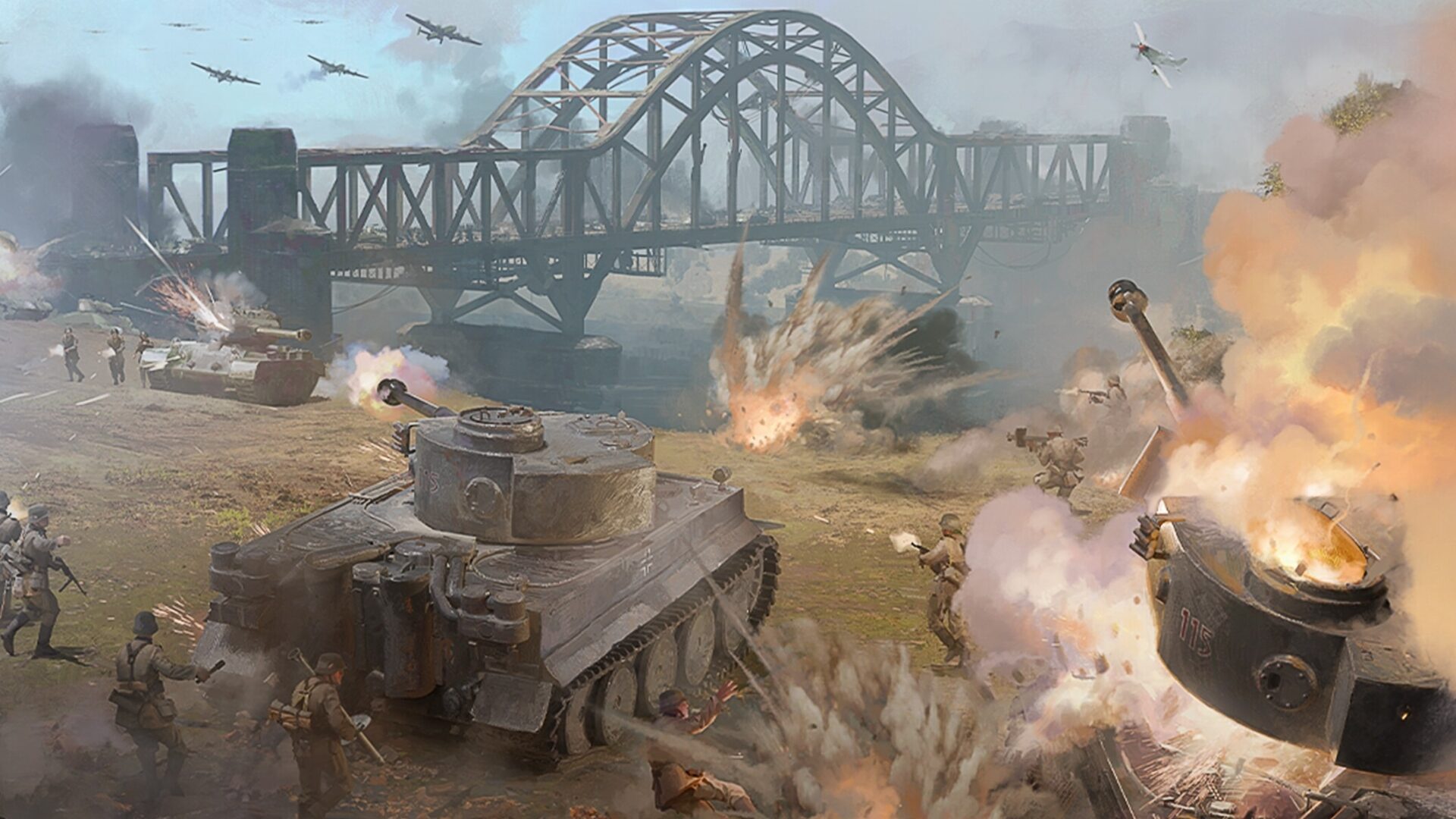
Visually, the game does the job. The battlefields are legible, the vehicles numerous, the explosions clear enough to give impact without transforming the map into permanent fog. The artistic direction remains functional, sometimes very effective, rarely memorable. Sudden Strike 5 is not here to seduce with the beauty of war. Above all, it wants us to understand how the battle is unfolding.
This is also its limit. The game lacks a human presence. The campaign carries out operations seriously, but without creating a strong attachment. It is remembered more for a successful breakthrough than a narrative moment. For a tactics game, this is not fatal. For a fifth episode sold as an ambitious return, it leaves a somewhat cold impression.
Verdict
Solid, demanding, awkward
7.5/10
Sudden Strike 5 is a good real-time strategy game. Its large maps, its relationship to supplies, the variety of units and the freedom of approach give real satisfaction. It respects the identity of the series and offers battles that require thinking before moving forward.
But the Xbox version keeps some hard edges. The interface slows down, the selection lacks comfort, certain missions tire more than they stimulate, and the whole thing remains quite cold. Sudden Strike 5 is not a revolution. It's a serious comeback, sometimes exciting, sometimes stiff, which will speak especially to those who like to win a battle because they have prepared for it.
Pros
- Large maps that encourage tactical approaches
- Supply management gives weight to decisions
- More than 300 units and a great variety of situations
- Commanders provide real direction
- An essential tactical pause on console
Cons
- Too heavy a console interface
- Unit selection lacks precision
- Sometimes irregular AI and difficulty
- A serious campaign with little human presence
- Too harsh a learning curve for newcomers
More in Video games
Full library 7/10
Revisited | Warcraft III: Reforged
PC 7.5/10
Warcraft III Reforged: Forsaken Kingdom
PC 7.5/10
Age of Empires IV : Dynasties of the East
XBOX 9/10
Dragon’s Dogma 2: Dark Arisen
XBOX 7/10
Brigandine Abyss
XBOX 6/10
The Walking Dead: Streets of Survival
XBOX 8/10
Onimusha: Way of the Sword
XBOX 7/10
HOT WHEELS Infinite Rush
XBOX 8.5/10
S.T.A.L.K.E.R. 2: Cost of Hope
XBOX 7.5/10