


Scar-Lead Salvation
One hallway too many
Score: 5/10
Images and videos
At a glance
We liked
- A decent shooting and dodging base.
- The Willow/AI duo keeps some good exchanges.
- The Xbox Series X|S version holds up properly.
- The soundtrack and Japanese dubbing give a little relief.
We liked less
- Procedural rooms too repetitive.
- A roguelite progression with no real depth.
- Little variety in enemies and situations.
- A story that promises more than it delivers.
 By Farrel Grimwood · published · 4 min read
Scar-Lead Salvation makes a promise that was not absurd. Compile Heart, a studio that we more readily associate with anime RPGs and niche productions, tries its hand at a roguelite third-person shooter here. An amnesiac heroine, a military complex closed in on itself, robots, artificial intelligence in the ear, deaths which restart the loop: the game voluntarily ticks known boxes, driven by the visible desire to leave its comfort zone.
Willow Martin wakes up without memories in a facility whose purpose and rules she does not understand. She must advance from floor to floor, pick up new weapons, survive mechanical waves, die, start again, and gradually understand what this place is hiding from her. The starting point works. It has the right amount of mystery, coldness and B-movie to keep you hooked.
The problem is that Scar-Lead Salvation quickly confuses a loop with a repetition. It knows how to run, shoot and dodge. It even knows, at times, how to give the feeling that a better game could have been born from the same base. But it does not know how to sustain its own cycle, make death a driving force, or give its rooms the tension that the genre demands.
Willow and the Dying Mystery
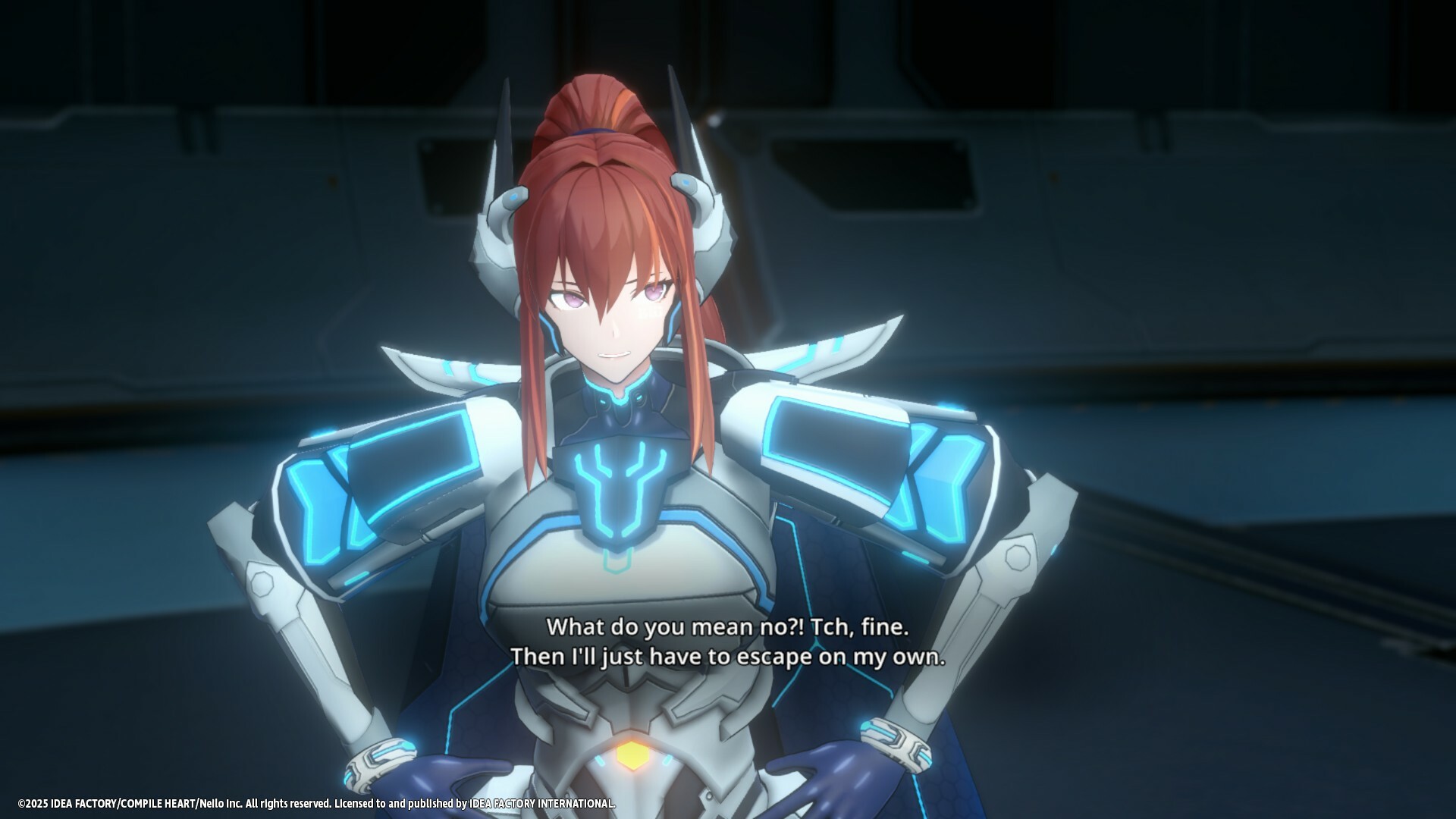
The story begins with a simple relationship: Willow knows nothing, the AI knows something, and the player advances between distrust, dependence and curiosity. This is the best narrative element of the game. The exchanges sometimes have an amusing dryness, a little tension of forced trust which gives a little life to otherwise very cold corridors.
This dynamic is not enough for long. Scar-Lead Salvation poses its mystery with more confidence than it develops it. The fragments of memories, the comments during exploration and the progressive revelations never build up real vertigo. We understand what the game wants to install: a heroine cut off from herself, a place that repeats violence, an artificial voice whose presence reassures as much as it worries.
But the narration remains too light, too fragmented, too dependent on small dialogues which poorly compensate for the absence of a genuine buildup. Willow and the AI have the beginnings of a personality. The world around them doesn’t have enough depth. The military installation looks more like a succession of rooms to be emptied than a place whose secrets we would like to unravel.
Shoot, dodge, repeat, get bored
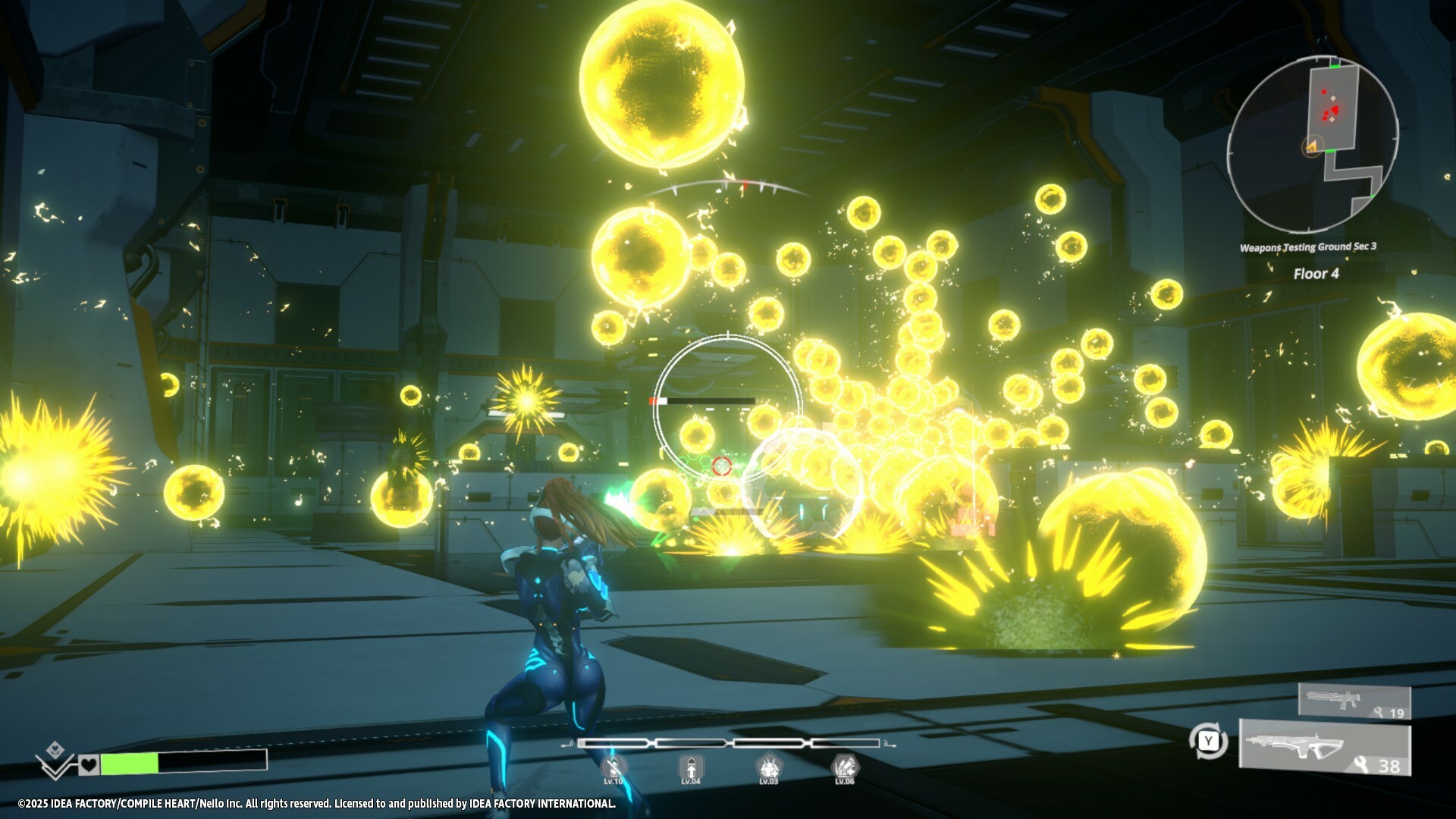
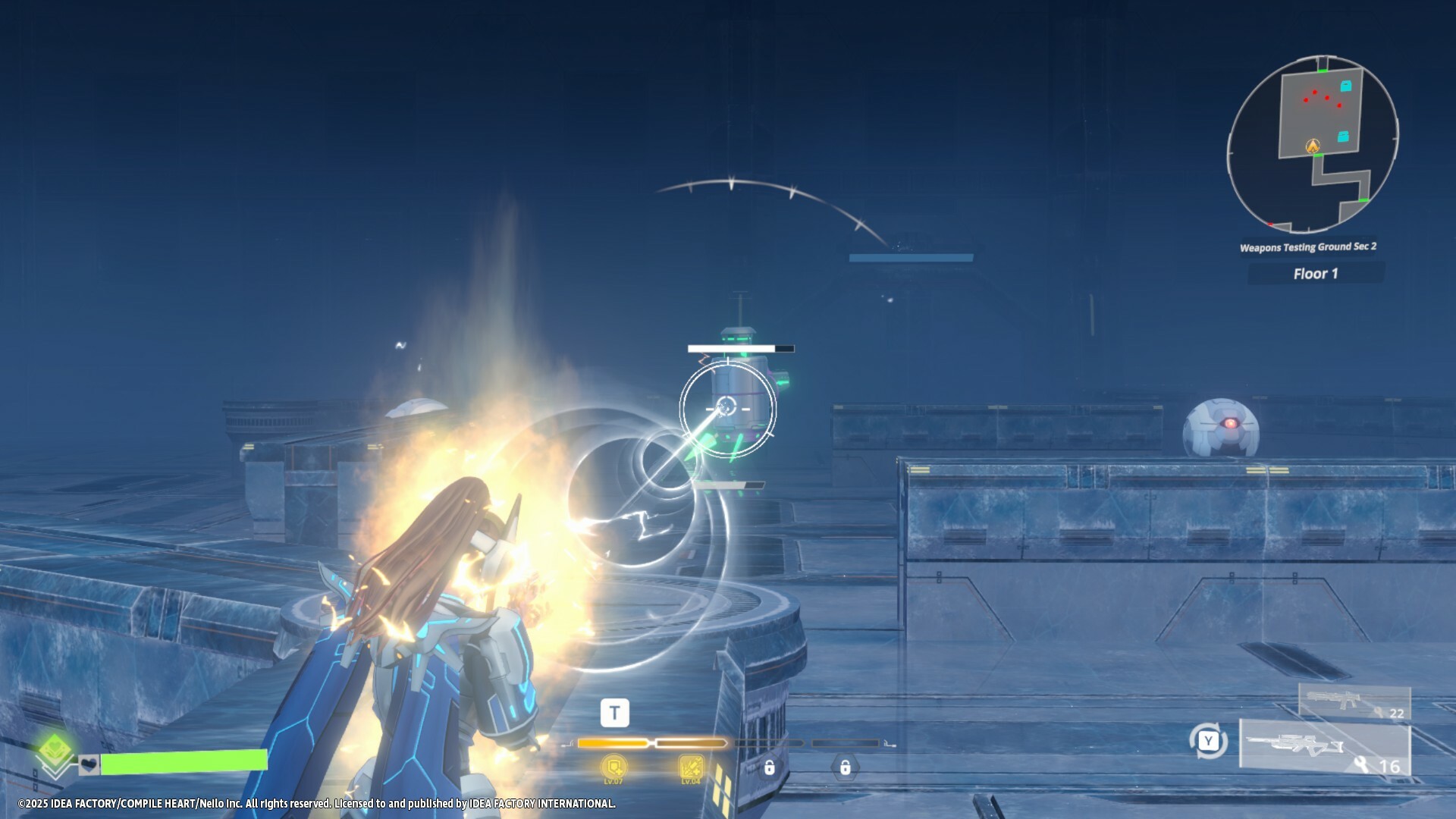
Handling is not the main concern. Willow moves correctly, dodging responds well, the shots do the job, and the busiest fights suggest a real desire for bullet hell in third person view. Onslaught mode, elemental weapons, upgrades picked up during runs, and melee attack give the game a small toolkit sufficient to get you started.
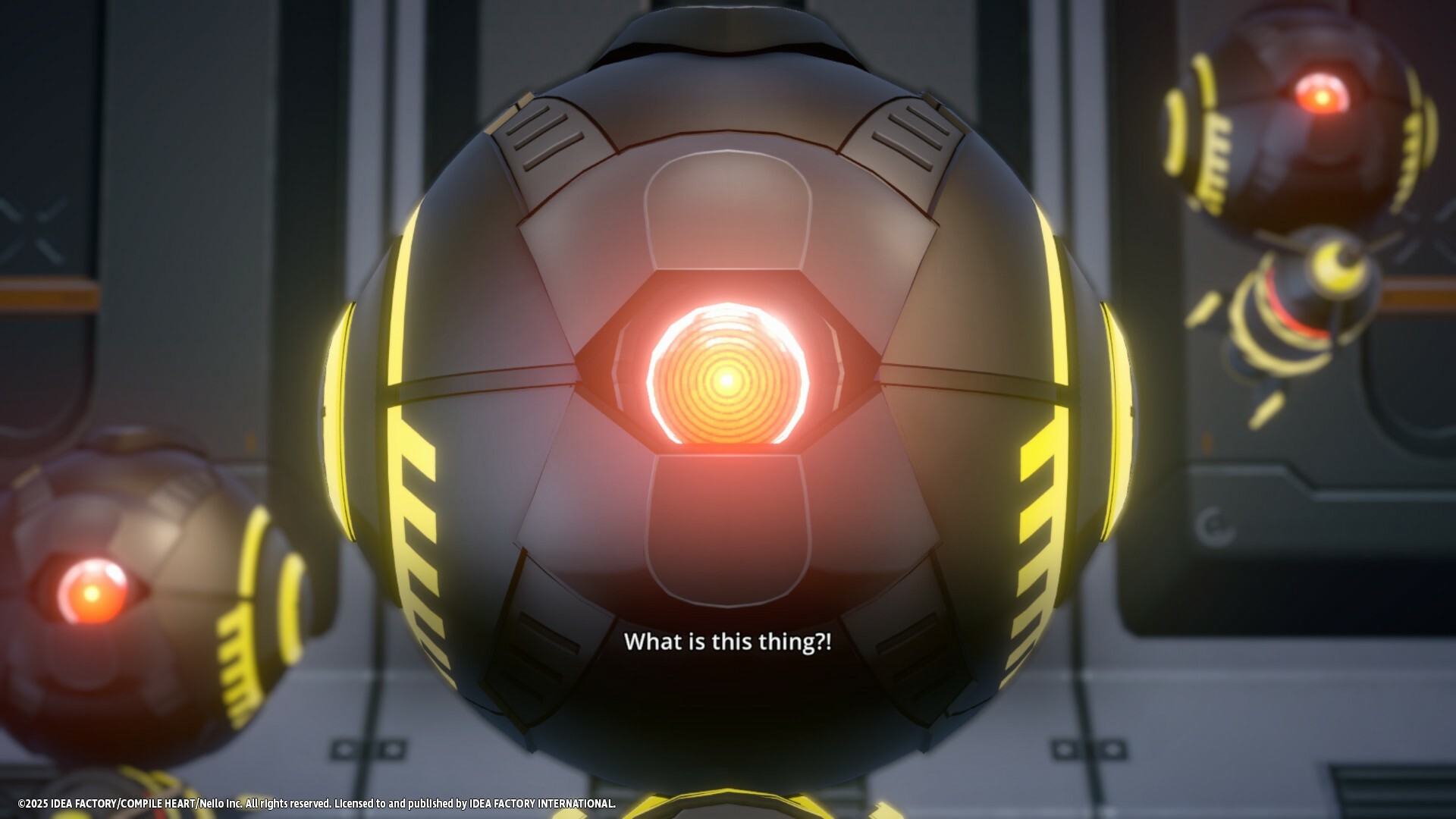
Then the structure takes over. Procedural rooms too often feel like variations of the same hallway, the same arena, the same detour to a chest. Enemies change little in the way they force the player to think. They shoot, advance, take hits and repeat. The bosses, supposed to put pressure back into the loop, drag on rather than leave an impression.
The roguelite especially fails in its progression. Weapons drop regularly, statistics rise, bonuses pile up, but all this changes little in the way you play. A good loop should make you want to restart because you have learned, because you have built a style, because a death opens up a new possibility. Here, we restart mainly because the game asks us to restart. It’s not the same thing.
The lack of difficulty makes the problem even worse. When clashes do not really threaten, death loses its meaning. When the improvements do not change the reading of the fights enough, the loot loses its weight. Scar-Lead Salvation then keeps the shape of the genre, but not its underlying intensity.
A laboratory too clean
Visually, the game remains clean without being striking. The models of Willow and the robots hold up better than the environments, but the industrial settings quickly lack personality. The military complex should become a character. What remains is an assemblage of corridors, platforms, square rooms and sci-fi textures that replace each other more than they respond to each other.
On Xbox Series X|S, everything runs correctly. The game supports projectile-laden screens, fast movement, enemy waves, and effects without feeling like it’s falling apart. The transitions in long corridors hide part of the loadings, but they also accentuate this feeling of crossing the void between two fights.
The soundtrack fares better. The synthetic layers and more melancholy keys correctly accompany the action, and the Japanese dubbing provides more emotional relief than the flatter English version. It’s not enough to save the experience, but enough to remind you that Scar-Lead Salvation is not a totally neglected game.
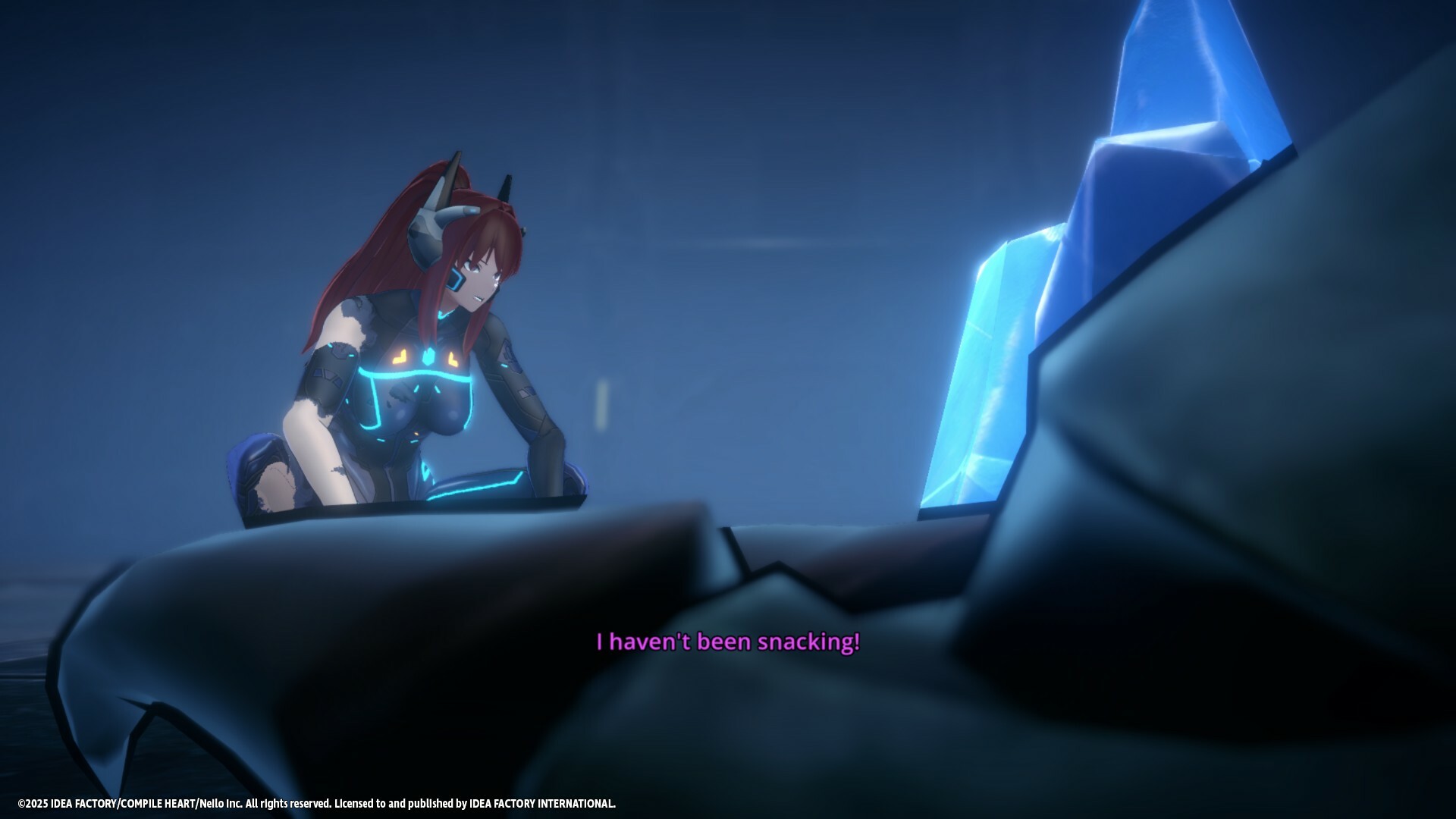
There remains the mechanic in which Willow’s outfit deteriorates when she takes damage. It returns to the old fan service reflex of Compile Heart, but without any real idea, without audacity, without any gameplay purpose. It’s neither shocking, nor amusing, nor even fully embraced. It’s just there, like a holdover from another game, and it pretty much sums up the overall problem: Scar-Lead Salvation is adding stuff without always knowing what to do with it.
Verdict
The bullet flies but misses its target
5/10
Scar-Lead Salvation is not an unplayable disaster. Its shooting foundations work, Willow and her AI save a few scenes, and Compile Heart's effort to try something else is worth noting. The game handles the basics competently, sometimes even small sparks.
But a roguelite can't live with just an idea of a loop. It needs variety, tension, progression that transforms the runs, rooms that tell the story of risk. Scar-Lead Salvation is missing all of this. It remains a technically competent experience, but too empty, too repetitive, too uninspired to go beyond the stage of damaged promise.
Pros
- A decent shooting and dodging base.
- The Willow/AI duo keeps some good exchanges.
- The Xbox Series X|S version holds up properly.
- The soundtrack and Japanese dubbing give a little relief.
Cons
- Procedural rooms too repetitive.
- A roguelite progression with no real depth.
- Little variety in enemies and situations.
- A story that promises more than it delivers.
- A useless and poorly integrated fan service mechanic.
More in Video games
Full library 9/10
Dragon’s Dogma 2: Dark Arisen
XBOX 7/10
Brigandine Abyss
XBOX 6/10
The Walking Dead: Streets of Survival
XBOX 8/10
Onimusha: Way of the Sword
XBOX 7/10
HOT WHEELS Infinite Rush
XBOX 8.5/10
S.T.A.L.K.E.R. 2: Cost of Hope
XBOX 7.5/10
The Lord of the Rings: War in the North – Legacy Edition
XBOX 8/10
Verho – Curse of Faces
XBOX 8/10
Halo: Campaign Evolved
XBOX 7/10