

Poetic Trio
Three walks through the weather, an hour of inner wandering
Score: 7/10
Images and videos


At a glance
We liked
- Three seasonal variations brought together in a coherent anthology at a low price.
- Poetry and music blend beautifully into the atmosphere, especially in the rainy passages.
- Loverowind finally brings some speed and movement after two very static chapters.
- A technically clean, smooth Xbox version, with achievements that are easy to unlock in a short time.
We liked less
- Almost no interactivity: you walk and trigger things, without tension or a real mechanic to learn.
- Movement is too slow, with tiresome backtracking, particularly in the large snowy area.
- Environments built from generic assets, with few memorable silhouettes or strongly staged moments.
- Almost no replay value once the poems have been discovered and the achievements collected.
 By Farrel Grimwood · published · 5 min read
Contents
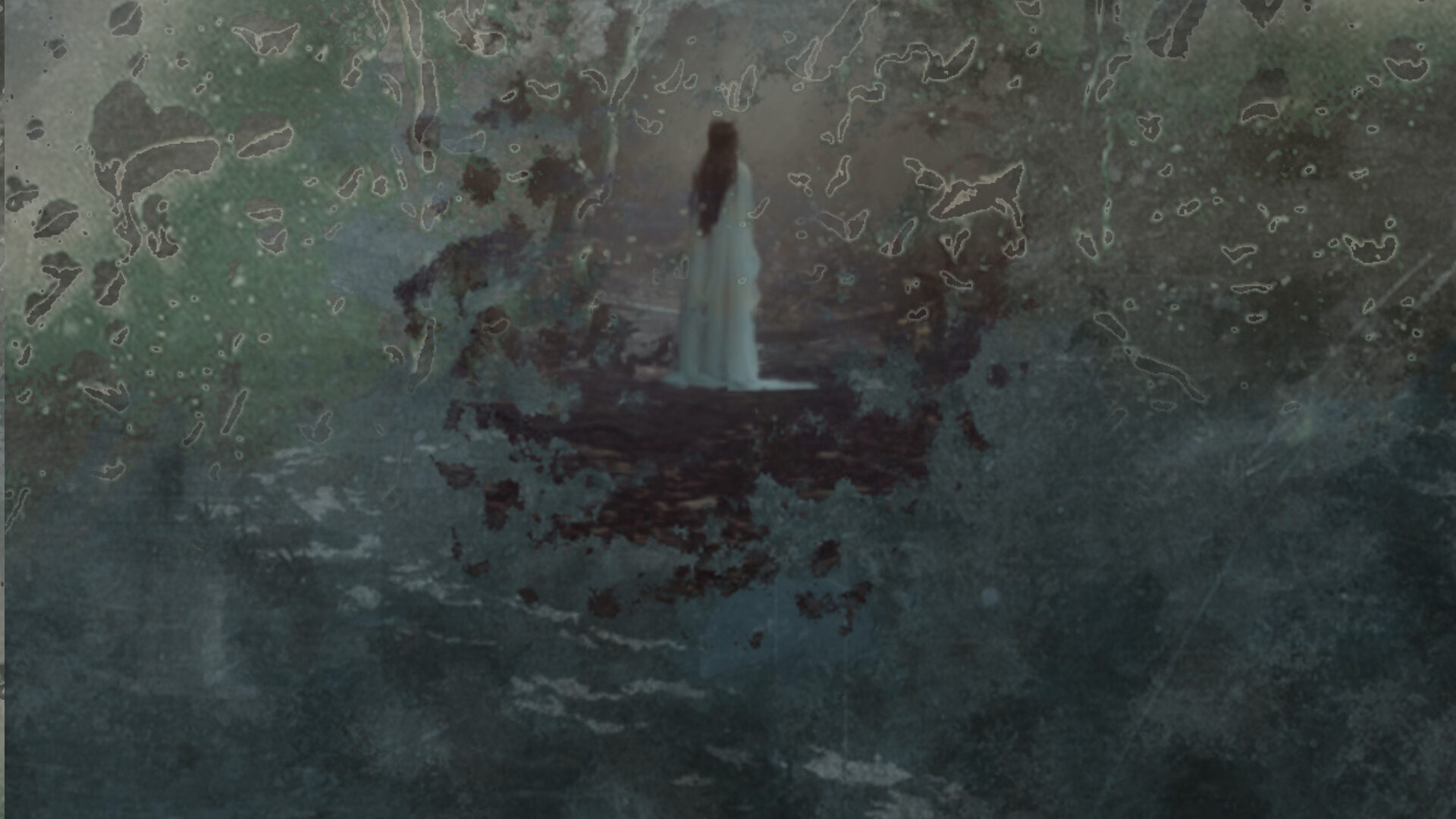
Poetic Trio brings together three experiences previously released separately: Pluviophile, Chionophile and Loverowind, in a single package devoted to rain, snow and wind. Each offers a short first-person walk through a natural environment far from civilisation, with weather as its connecting thread and a handful of poems revealed along the way.
Pluviophile focuses on the atmosphere of rain in the woods, taking you through sodden countryside and forest paths, accompanied by a text by Julius Cawein and an original piano score.
Chionophile develops the same idea in winter, with two chapters, one largely open, supported by a poem by Archibald Lampman and the same very restrained approach to presentation.
Finally, Loverowind explores the spring wind, bringing back the collection of flowers and altar stones while adding an element of speed through circles of light that change your pace.
Rather than a continuous story, Poetic Trio works as a collection of three moods, three settings and three rhythms, connected by the same philosophy of pure walking without threats or setbacks.
A slow walk in the rain
The first encounter is with Pluviophile, which drops you into a damp forest where rain falls continuously on trees, paths and streams. The game asks you to find flowers scattered through the scenery and place them on stone structures resembling millstones, triggering fragments of poetry that unlock the next part of the walk.
The feeling is very simple, almost raw, but works for a few minutes, especially when light mingles with mist and the piano falls into step with your walking. Controls amount to moving with one stick, looking around with the other, activating a slight speed increase and displaying icons to locate important elements. The experience is immediately easy to grasp.
The downside is that this walk never tries to become more complex or renew itself. You repeat the same gestures until the last stanza, in surroundings that remain pleasant but uniform. Rain eventually becomes more of a texture on the screen than an event, and the lack of any gameplay counterpoint makes the monotony more noticeable once a session runs beyond half an hour.
A motionless winter, a mind on standby
Chionophile uses the same formula in a snow-covered setting, with two chapters that gradually grow in scale. The second takes place in a large open area, with paths winding through woodland and terrain to reduce confusion about which direction to take.
On paper, this openness is a good idea, inviting freer exploration of a white, silent landscape while retaining the same principle of collecting objects and triggering poems. In practice, very slow movement and repeated snow textures and generic woodland soon make it feel as though you are treading water, especially when retracing your steps to find the last missing flower.
Poetic Trio offers marked paths to reduce this risk of aimless wandering and lets you display icons for points of interest. This limits the chances of getting stuck, but also kills some of the spontaneity of a leisurely stroll.
You then move from one marker to the next, ticking boxes rather than following curiosity, reinforcing the mechanical side of a game that already had few moving parts.
Wind as the final movement
Loverowind, the last in the collection, at least has the good sense to change the tempo slightly without abandoning the premise. You begin in a more enclosed structure with stairs, walkways and a few levers to open passages, before emerging onto a broad springtime plain.
The loop remains close to the previous games: collect flowers and use them at altars to reveal a poem. This time, however, travelling circles of light change your movement speed and create a sense of gliding through the grass.
This shift comes late, but finally brings a little movement to an anthology that had remained stubbornly still, making the final chapter more enjoyable to explore.
Even so, the game adds no new layer of rules or stakes. It remains pure guided walking, with interactions stripped to the essentials. Loverowind opts for a more visually generous finale, but cannot entirely erase the fatigue accumulated in Chionophile if you play all three experiences back to back.
Deliberate slowness or boredom setting in
Poetic Trio’s own publisher describes it as a pure, slow walking simulator, recommended for those seeking atmosphere above all. That description is honest. The game offers no combat, puzzles or possibility of failure, simply asking players to walk while providing poems and landscapes to fill that slowness.
The controls are deliberately limited. Your character moves at a very measured pace, acceleration produces only a gentle trot, there is no jumping or rolling, and no interface comes between you and the scenery.
The complete absence of penalties or pressure can be restful, but also removes all tension, to the point where walking sometimes feels closer to an interactive screensaver than a game you feel involved in.
The overall length, an hour to see everything, with a good half of it in relatively repetitive environments, heightens this sense of stretching things out. The intention to give players time to breathe and observe is clear, but gestures that repeat without ever growing more complex eventually make that breathing feel lifeless, especially for players accustomed to slightly richer walking simulators.
Solid but understated presentation
Technically, the Xbox version does its job without drawing attention to itself. Poetic Trio is optimised for recent consoles, with smooth visuals, cloud saves and integrated achievements.
Resolution reaches 4K on Series X, with a stated frame rate above 60 frames per second, ensuring a stable stroll even if the engine has little to display beyond trees, rain, snow and a few pieces of scenery.
The environments use fairly generic Unreal assets, but they are competently assembled, and weather effects provide most of the spectacle: streaming rain, snow coating branches, wind stirring the grass. The music, composed by Pınar Karabaş, stays discreet but well placed, supporting the atmosphere without trying to steal the weather’s spotlight.
The interface is minimal, almost austere, with very few menus, limited settings and few convenience options, but the controls are immediately accessible.
As for achievements, the thousand points unlock through a handful of actions during the first hour, making this attractive to achievement hunters as well as fans of tranquil walks.
Verdict
Three walks through the weather, an hour of inner wandering
7/10
Poetic Trio deserves a look if you enjoy extremely stripped-back walking simulators, silent landscapes and experiences unafraid to let you walk for a long time with nothing to do but watch the rain, snow or wind.
For everyone else, the stroll may turn into waiting, then weariness, through a lack of rhythm, stakes or any meaningful rethinking of the formula as it goes on.
Pros
- Three seasonal variations brought together in a coherent anthology at a low price.
- Poetry and music blend beautifully into the atmosphere, especially in the rainy passages.
- Loverowind finally brings some speed and movement after two very static chapters.
- A technically clean, smooth Xbox version, with achievements that are easy to unlock in a short time.
Cons
- Almost no interactivity: you walk and trigger things, without tension or a real mechanic to learn.
- Movement is too slow, with tiresome backtracking, particularly in the large snowy area.
- Environments built from generic assets, with few memorable silhouettes or strongly staged moments.
- Almost no replay value once the poems have been discovered and the achievements collected.
More in Video games
Full library 9/10
Dragon’s Dogma 2: Dark Arisen
XBOX 7/10
Brigandine Abyss
XBOX 6/10
The Walking Dead: Streets of Survival
XBOX 8/10
Onimusha: Way of the Sword
XBOX 7/10
HOT WHEELS Infinite Rush
XBOX 8.5/10
S.T.A.L.K.E.R. 2: Cost of Hope
XBOX 7.5/10
The Lord of the Rings: War in the North – Legacy Edition
XBOX 8/10
Verho – Curse of Faces
XBOX 8/10
Halo: Campaign Evolved
XBOX 7/10