
Hard West 2
Brilliant shootouts, a less inspired chase
Score: 8/10
Images and videos


At a glance
We liked
- Bravado turns kills into opportunities to act again
- Distinct powers that combine in genuinely interesting ways
- Ricochets that help bypass cover
- Flexible poker-hand progression that fits the western setting
We liked less
- Often bare-bones exploration and quests between fights
- An overly mechanical loyalty system and thinly drawn characters
- Encounter layouts that repeat throughout the campaign
 By Farrel Grimwood · published · 8 min read
Contents
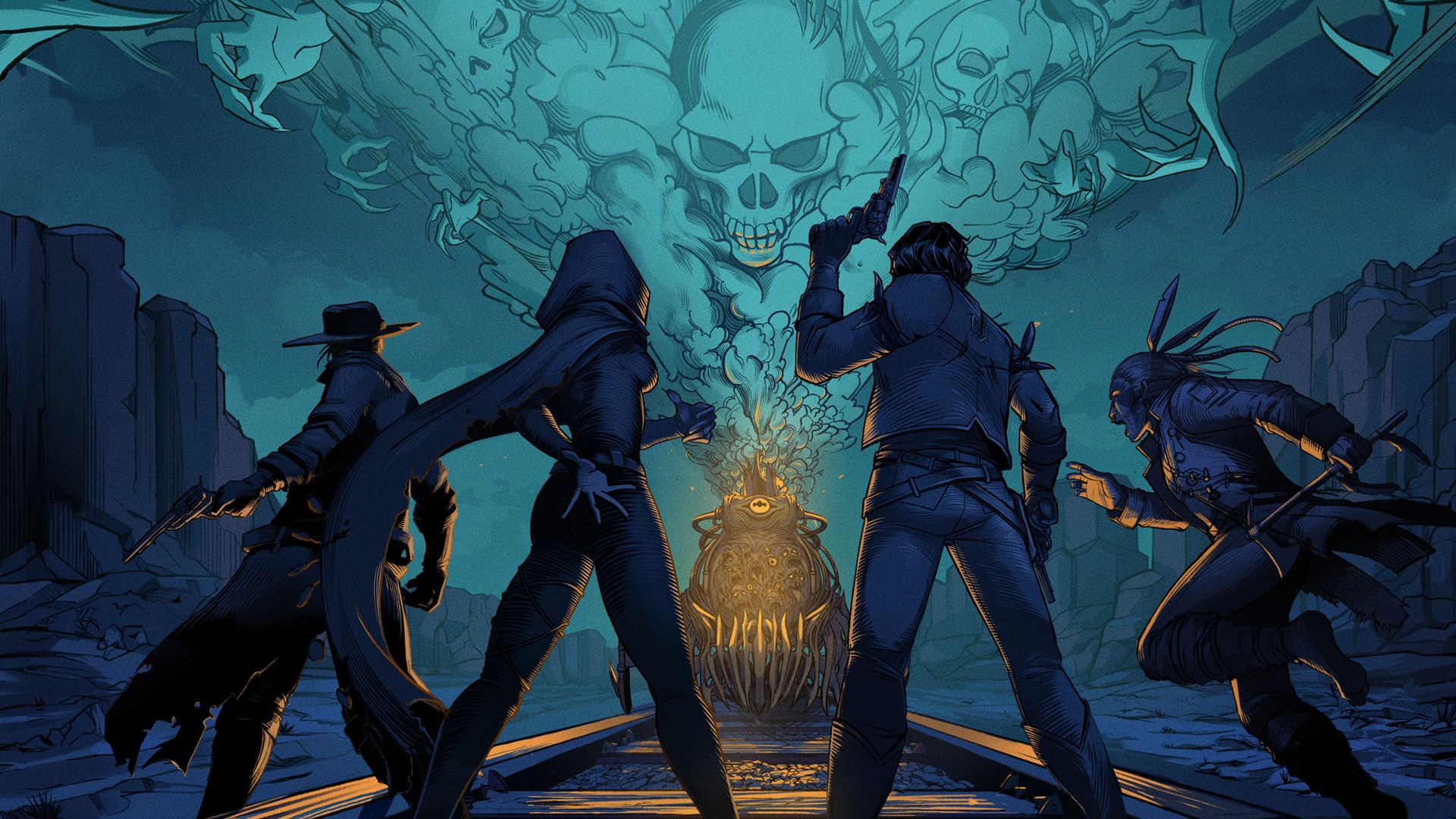
With Hard West 2, Ice Code Games turns the Wild West into a playground for turn-based tactics. Outlaws cross paths with witches, the dead are back on the job, and trains carry far more dangerous company than armed guards. There’s plenty of room for bad ideas in this world, starting with robbing the devil.
First released on PC in August 2022, the game comes to consoles on November 10, 2026, in a port by Klabater. Its biggest draw is a remarkably effective rule. Every enemy taken down restores the action points of whoever landed the killing blow. A whole shootout can swing in a single turn, provided each kill is set up properly. The challenge is making that promise hold up across an entire campaign. How does this supernatural chase fare once the novelty of its best ideas wears off?
A very bad deal
Gin Carter has heard about a train loaded with federal gold. The kind of haul worth rounding up a posse and risking a few bullets for. The raid starts out as a robbery, with riders galloping after the train cars. Then the locomotive shows its true nature. The Ghost Train lives up to its name, and its owner, Mammon, is a far cry from a rich passenger waiting to be relieved of his valuables.
A game of poker turns the heist of the century into a full-blown disaster. Gin loses his soul and sets off after the demon to get it back. It’s a gripping setup. The lure of gold draws the characters into something bigger than they can handle, and the supernatural takes over the action right away. The sight of the train turning into a creature from hell gives the journey a far more interesting threat than a bounty on a wanted poster.
The rest of the story is less surprising. Encounters keep one foot in old grudges and the other in curses, but the script gives the posse little depth. Each personality is distinct and the characters’ motives are enough to keep the chase going, though their conversations have less spark than the shootouts. Gin mostly leads a quest for revenge whose twists serve to bring the posse to the next gunfight. The setting has character, and the writing makes a decent adventure out of it. The story falls short of the game’s most striking images and, above all, of its predecessor.
The last shot counts twice
In combat, four members of the posse take on groups that often vastly outnumber them. Each has three action points to spend on moving, shooting, or using abilities. Weapons come with trade-offs of their own. A revolver generally takes two points to fire, while a rifle takes three. Moving before firing a rifle is a decision that takes some thought. Extra range and damage come at the cost of flexibility during the turn.
Bravado changes everything. A kill restores all three points to the character who lands the final blow. The same gunslinger can move again, take down a second target, and repeat the process. That makes the order of attacks matter enormously. Sometimes an enemy on the verge of death is worth keeping alive for a few moments. The kill gives another member of the posse the points to move again and reach a position that’s normally out of reach.
A volley can soften up several enemies before another member of the posse finishes the job. The whole team sets up the attack, even if one character goes on to string the kills together. That coordination is where the fun comes from. Four separate decisions become a single attack, with openings for the posse to create and then exploit. There’s real satisfaction in watching an outnumbered posse turn a fight around by getting the order of its moves right.
There’s a downside to the system, too. A missed shot can break the streak and leave a character exposed, far from their allies. The Luck meter takes some of the risk out of the equation. Missed shots and hits taken are among the ways to build it up, and spending Luck improves the odds of landing a shot. Saving it for a decisive kill matters more than squeezing a little extra damage out of a less important attack. Chance still plays a part, but good planning gives the posse concrete ways to influence the odds.
A posse with complementary skills
The six playable characters have different enough tools to make choosing the lineup interesting. Flynn can swap places with an ally or enemy in her line of sight. An enemy behind cover can end up within reach of the rest of the posse, while an ally can take up a useful position. The ability directly changes which attacks are possible. Where Flynn ends up matters, too. Pulling a target out of cover does little good if the witch is stranded behind enemy lines.
Gin’s supernatural attack can hit several enemies through obstacles. Old Man Bill has a different way of fighting. His Deadman’s Revenge deals more damage as his health drops. Letting the undead gunslinger take a few hits can set up a devastating counterattack, with an obvious risk. Abilities like these give the posse a reason to mix and match. An area attack chips away at several health bars, then ordinary weapons finish off the targets and trigger Bravado.
Ricochets add another layer. Certain weapons can bounce a bullet off objects in the environment to hit a target without a direct line of fire. A piece of metal near an enemy becomes a way around their cover. Enemy positions deserve a close look, and so do the posse’s, since enemies can use ricochets too. Between the powers and those firing angles, there’s plenty to think through in a shootout without piling on extra commands or types of equipment.
The cards reshuffle the roles
Progression revolves around playing cards collected over the course of the adventure. Each character can equip up to five. The cards improve their stats, and the poker hands they form unlock skills or strengthen existing ones. A pair, three of a kind, or a full house becomes a choice about how to develop a character. The western theme fits naturally into the rules here.
The shared pool is what makes it interesting. The cards needed to make one character’s hand are temporarily out of reach for everyone else. The strongest available hand deserves a look at what it can do for the whole posse. Upgrading an area attack can help several companions finish off targets, while an individual upgrade benefits only the character holding it. Cards can be reassigned, making it easy to experiment and bring a character back into the lineup without extra fights to catch up.
Optional objectives also gain a purpose when a new card is among the rewards. Taking on an extra restriction in one mission can open up new combinations for the next. The game keeps its progression visible and gives the posse choices that genuinely change how it fights, so there’s always a reason to see what else the system can do. An excellent idea, easy to grasp and flexible enough to last.
Less rewarding detours
Between missions, the posse rides across the map, stopping at towns, shops, and various events. Supplies help the gang recover at camp, while conversations with companions fill in their pasts. Certain decisions earn a companion’s loyalty and unlock perks. That gives money and loot a purpose, but the stops are often bare-bones. A visit, a few lines of dialogue, a choice, and it’s back on the road.
The Loyalty system shows its workings too plainly. Backing the same companion regularly brings the next perk closer, which makes the reward more tempting than whatever the situation calls for. Relationships too easily become another stat to raise. These breaks fit the campaign well enough, but they do too little for the characters to make them as interesting as their combat abilities.
The tactical maps reveal another limitation over time. The scenery shifts between villages, mining facilities, and snow-covered areas, but many encounters divide the opposition into a succession of small groups. The first position falls, the posse moves up, and the next part of the level presents much the same problem. High ground and cover still matter, though the situations change less than the powers allow for. The train robberies at least give this string of fights a more spectacular setting.
That structure makes the fights feel more like puzzles. Finding a good sequence of actions stays engaging, but tougher enemies leave less room to improvise and demand more work to set up each kill. The difficulty calls for a good grasp of how the posse’s abilities fit together. The real issue is how often the same patterns come up, making some missions easier to see coming.
A West with character
The art direction serves the adventure well. The illustrations make the characters and story sequences stand out, while the environments mix frontier architecture with signs of the occult. Snow in the opening stretch keeps the journey from becoming a long succession of deserts. Demons and revenants belong in this world, right down to the powers used in its shootouts. That consistency gives the supernatural a more convincing presence than a parade of creatures to gun down.
Jason Graves’ score brings western accents and a darker tension to the mix. The ambient sound and gunfire give the fights weight without the need for constant spectacle. The game draws more of its identity from its atmosphere and the possibilities of its combat system than from technical showmanship.
The console edition adapts the controls for a gamepad and remains a solo adventure. Turn-based play leaves time to study positions and plan moves, which suits a controller. The campaign’s strongest moments still come from decisions made in combat. Even after several hours, finding a new combination of powers to keep an attack going gives the posse a good reason to stay on the trail.
Verdict
This posse is worth the detour
8/10
Hard West 2 has an excellent combat system. Bravado rewards planning, the powers give each companion a distinct role, and ricochets open up interesting angles of attack. Progression through poker hands is a smart complement to the shootouts, and the freedom to move cards around makes it tempting to try new combinations. The thrill of turning a fight around in a single turn carries much of the campaign.
Exploration and relationships are more rudimentary, and the tactical maps fall back on similar layouts too often. Some stretches of the journey have less to offer than others. Even so, this occult western has enough personality and enough good ideas in its fights to make the chase well worth it. A very good tactical adventure whose posse has more to say with its powers than around the campfire.
Pros
- Bravado turns kills into opportunities to act again
- Distinct powers that combine in genuinely interesting ways
- Ricochets that help bypass cover
- Flexible poker-hand progression that fits the western setting
- An occult world brought to life by its illustrations and music
Cons
- Often bare-bones exploration and quests between fights
- An overly mechanical loyalty system and thinly drawn characters
- Encounter layouts that repeat throughout the campaign
More in Video games
Full library 8/10
Culdcept Begins
SWITCH 9/10
Total War: Warhammer III – Lord of the End Times DLC
PC 7/10
Brigandine Abyss
XBOX 8/10
Drill Core
XBOX 6/10
Crown of Greed
PC 6.5/10
Deathless. The Hero Quest
SERIES 9/10
Final Fantasy Tactics : The Ivalice Chronicles
SERIES 6.5/10
Lost in Fantaland
SWITCH 7.5/10
Castle Crumble
SWITCH 9/10