
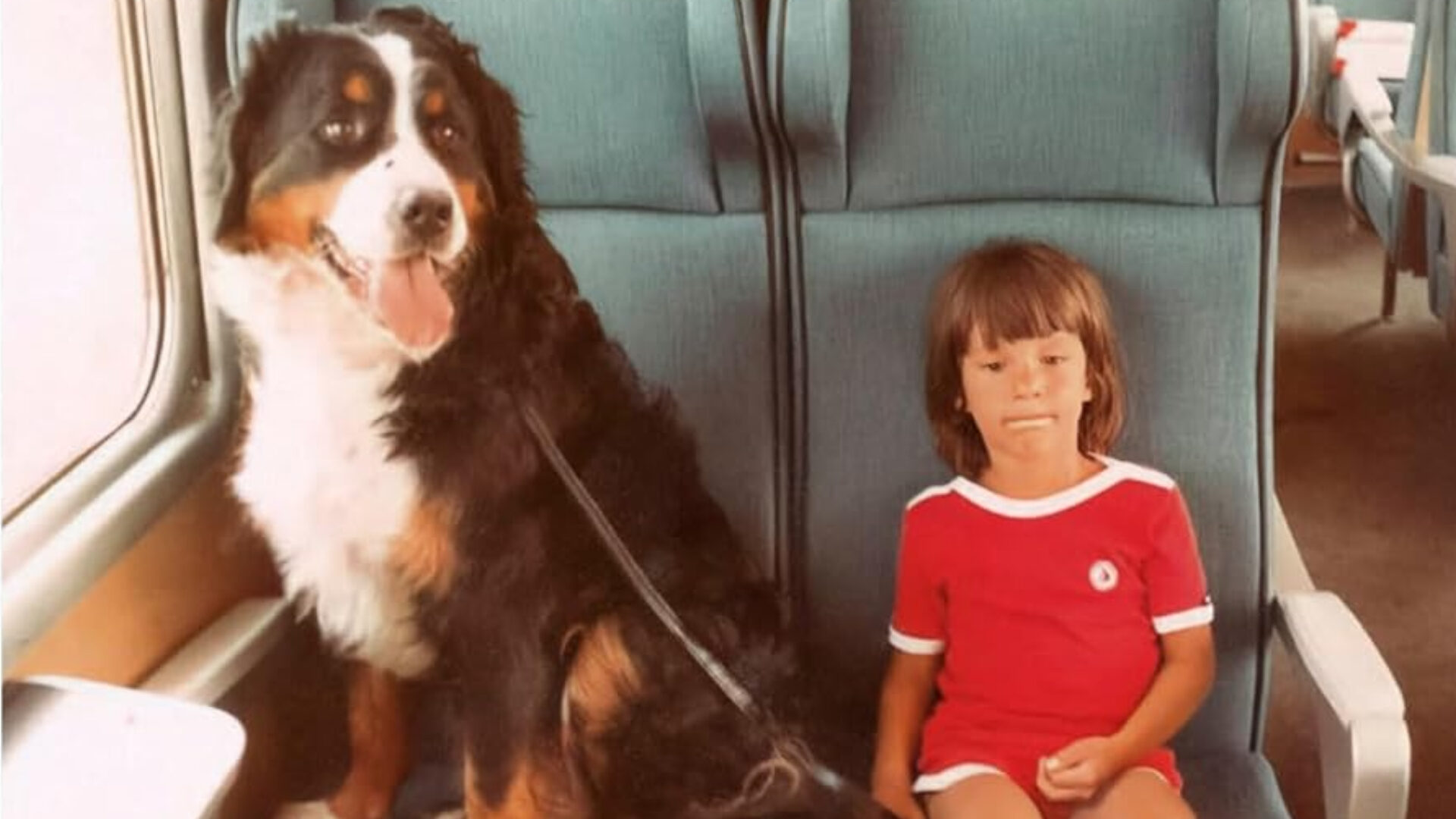

Nos animaux nous réparent : Ils donnent du sens à nos vies
Animals soothe our wounds; the book presses where it hurts
Score: 7/10
At a glance
We liked
- An important subject, rarely addressed so directly and taken so seriously
- The veterinary clinic provides an excellent vantage point
- Pet bereavement is treated without condescension
- The relationship between Mémona Hintermann and her veterinarian son provides a strong human thread
We liked less
- A title that promises more healing than the book really offers
- Death, euthanasia and guilt occupy a great deal of space
- Some emotions recur too often in the same register
- The social analysis is sometimes less developed than the first-hand accounts
 By Farrel Grimwood · published · 6 min read
Contents
Nos animaux nous réparent is a book by Mémona Hintermann, a former senior correspondent for France 3 and former member of the CSA, France’s broadcasting regulator. Here, she starts somewhere more tangible, and harsher too: the veterinary clinic where her son Julien works, watching owners at the moment when their relationship with their pet spills over into everything else.
Published by Hugo Doc with a foreword by Boris Cyrulnik, the book combines personal narrative, reporting from the field and a series of first-hand accounts. Its subject is more than the love of pets. It is what that love reveals when it becomes the last place where people can lay down exhaustion, loneliness, guilt or grief that those around them dismiss.
The promise is powerful. It is also a little misleading. Nos animaux nous réparent offers less of a guide to healing than a catalogue of wounds. Animals save people here, yes, but they also die, grow old, suffer and force people to make decisions. The question, then, is not whether the book loves animals. Clearly, it does. The real question is whether it turns that emotion into insight, or sometimes ends up circling endlessly around the same pain.
A clinic as a confessional
A veterinary clinic is more than somewhere dogs, cats and rabbits receive treatment. People arrive with an animal in their arms and, very quickly, with much more besides. There is the fear of getting things wrong, the shame of being unable to pay, the attachment they have never known how to express, the panic before an operation, and sometimes the impossible decision to let go.
Mémona Hintermann understands this shift very well. She has spent her life looking at the world from conflict zones, television studios and institutions. Here, she changes scale. She watches families in a waiting room, faces crumpling beside a pet carrier, people speaking to their animal as a member of the family. This change of perspective gives the book a simple angle: society also reveals itself in the way it treats its animals.
The word animal deserves to be taken seriously here. The book is not about decorative mascots, but daily companions. A dog that forces someone outside when everything is falling apart, a cat that imposes a routine on someone who no longer has one, a silent companion that absorbs words no one else will hear. In these moments, the book rings true, because it does not try to prove that animals replace people. It shows how they sometimes open a way in where people no longer know how to reach.
Pet bereavement finally taken seriously
Nos animaux nous réparent is moving in the way it looks at grief without belittling it. For many people, losing an animal is still a pain they must explain away too quickly. They almost apologise for crying. They make clear that they know it is “only an animal”, as though the strength of the bond had to pass a legitimacy check before society would allow it to exist, without even recognising how far attitudes have already shifted today.
The book responds precisely to this. The accounts matter less for their surprises than for their cumulative effect. Hearing owners describe what they dare not say elsewhere makes it clear that the subject goes well beyond simply loving cats and dogs. It touches on loneliness, old age, family, children who have left home, weary couples, and wounds people keep close to the surface while trying to carry on with normal life.
Mémona Hintermann is most convincing when she lets these stories retain their discomfort. An owner can be dignified and helpless in the same scene. A medical decision can be rational and unbearable. Euthanasia can be an act of love and still leave guilt that clings to the skin. The book does not entirely simplify these contradictions, and that is what gives it its real strength.
The problem is the word “heal”
Still, the title promises something the book only partly delivers. Nos animaux nous réparent suggests something uplifting, almost a demonstration of how animals help us get back on our feet. In practice, the text spends a great deal of time with loss, the end of life and pain. That is no flaw in itself. It is often where the book is strongest. But it creates a mismatch.
Readers may come looking for a story about comfort and find a much more direct book about euthanasia, illness, abandonment, guilt and the emptiness left by death. Healing exists, but it rarely brings a moment of relief. It becomes apparent afterwards, in the way people finally accept that they can talk, cry and acknowledge the place the animal held in their lives. That is interesting, but it is not always what the title sells.
This is where the book would have benefited from setting out its limits more clearly. It is not a guide to the benefits of pets. Nor is it really a scientific investigation into animal-assisted therapy or the mechanisms of resilience. Above all, it is a record of listening: deeply human, sometimes devastating, but often focused on the moment when the bond hurts. Readers expecting a gentle journey may find it heavier than anticipated.
Writing with a personal presence, sometimes too insistent
Mémona Hintermann writes with a strong sense of presence. Her background in journalism shows in the way she sets a scene, captures a detail and understands that a face or a sentence can carry more than a lengthy speech. Her personal story is there too: her late discovery of a bond with animals, the role of her veterinarian son, and the sense that she is discovering an intimate territory after spending so long reporting on territories at war.
This personal presence does a great deal for the book. Without it, Nos animaux nous réparent could quickly become a succession of touching cases. With it, the text retains a personal thread, a reason to exist. The author does not place herself above what she describes. She allows what she observes to change her, giving some passages a sincerity that cannot be manufactured.
Yet that same sincerity sometimes presses too hard. The book repeatedly returns to the same areas: owners’ pain, the fragility of the bond, the impossibility of saying a clean goodbye, the animal as a mirror of what we lack. These themes are valid, but at times they go round in circles. More breathing room would have helped, with a few chapters shifting the focus towards life, everyday routines and simple joy, rather than only the separation to come.
A sensitive account, rather than a book of answers
Nos animaux nous réparent should therefore be read for what it really is: a sensitive account of the place animals occupy in our modern lives. It has neither the cool rigour of an academic essay nor the practical structure of a guide. It moves through scenes, encounters and collected sorrows. It seeks less to organise its subject than to let it be heard.
This form makes the book accessible, direct and often intimate. It helps explain why a pet can become an emotional pillar, a point of reference, sometimes even a reason to keep going. It also reminds us that vets and veterinary assistants face an enormous emotional burden: they treat the animal, but also receive everything its owner projects onto it.
The limitation is that the analysis sometimes stops at the threshold of the questions it opens. The book examines our bonds, our loneliness, our need for love and our relationship with death. Yet it often favours examples over a wider perspective. This makes the reading more immediate and less abstract. It also prevents the text from becoming the major book on human and animal interdependence it might have aimed to be.
Verdict
Healing through the wound
7/10
Nos animaux nous réparent succeeds when it stays close to its own ground: a veterinary clinic, families, beloved animals and decisions no one takes lightly. Mémona Hintermann knows how to listen to pain without diminishing it, and her book rightly reminds us that the bond with an animal is more than a cute addition to domestic life. For many people, it is an entire emotional support structure.
But the book’s title is brighter than its contents. It does speak of healing, but through loss, grief, guilt and the end of life. This gives it real emotional power while creating a frustration: at times, it lacks the breathing room, distance and variety needed to turn its accounts into a fully developed reflection. A sincere, useful and touching book, but more painful and less healing than it promises.
Pros
- An important subject, rarely addressed so directly and taken so seriously
- The veterinary clinic provides an excellent vantage point
- Pet bereavement is treated without condescension
- The relationship between Mémona Hintermann and her veterinarian son provides a strong human thread
- The first-hand accounts make the place animals hold in our lives very tangible
Cons
- A title that promises more healing than the book really offers
- Death, euthanasia and guilt occupy a great deal of space
- Some emotions recur too often in the same register
- The social analysis is sometimes less developed than the first-hand accounts
- Readers expecting an uplifting book about the benefits of animals may be surprised
More in Books
Full library 7/10
Je vais aller mieux – version augmentée
Hugo Doc 10/10
Sépia, tome 2 : Le complot de Flobourg
Pocket Jeunesse 8/10
100 Films d’animation japonais
Yniss 8/10
The Witcher: A Little Sacrifice
Bragelonne 7/10
One of Us Is Next
PKJ 9/10
The Star That Fell from the Sky
 8/10
Mégères et vamps face caméra
L’Harmattan 8/10
Strange Maps
Seuil 7.5/10
Quelque part dans la région du Kinki
Seuil 7.5/10