
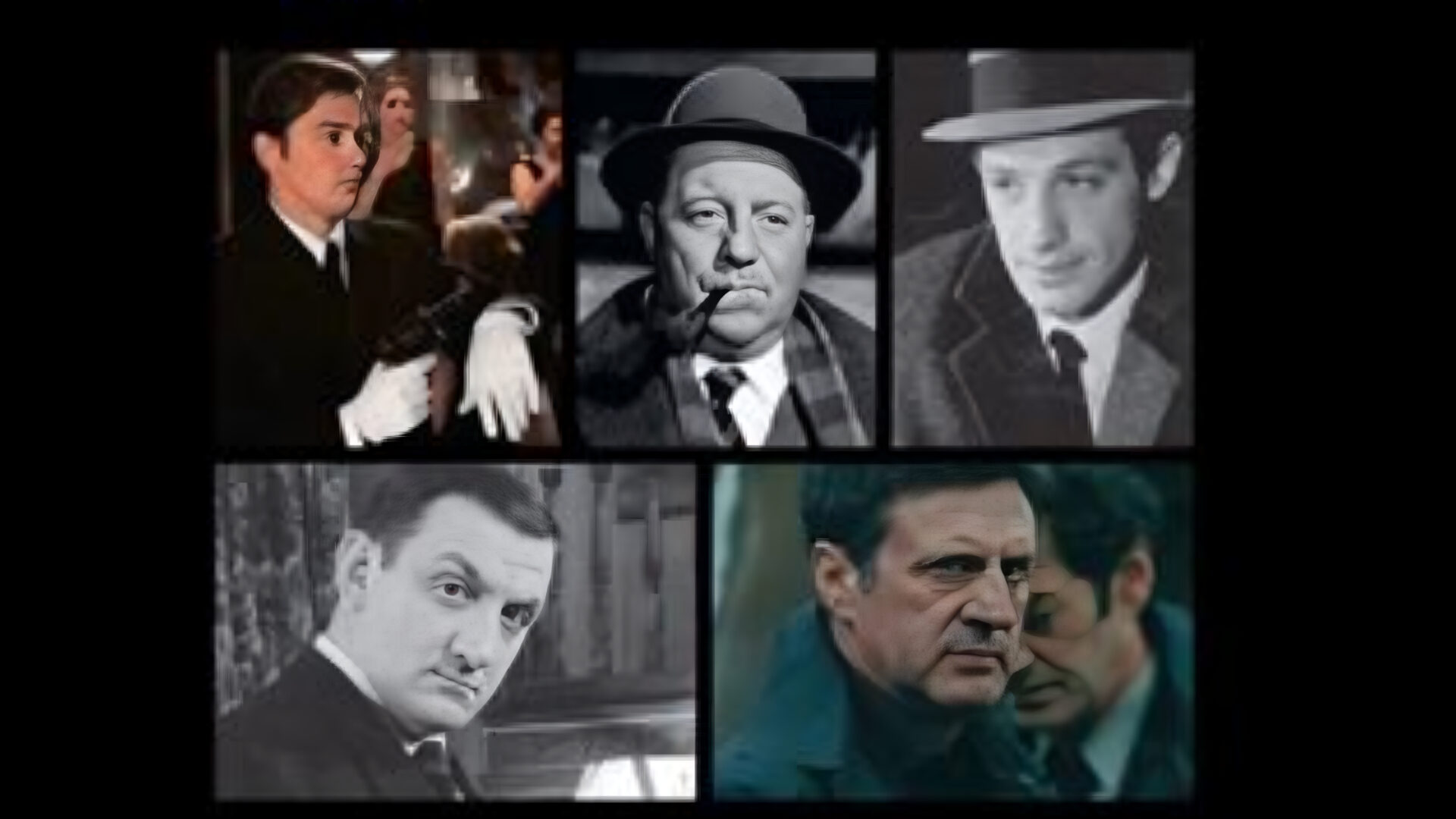

Les 100 films policiers français à voir absolument
A noir thrill on French celluloid
Score: 8/10
 By Farrel Grimwood · published · 4 min read
In the delicate shadows of the pages, this little work stands as an anthology of French crime fiction, a kaleidoscope of light and darkness. Philippe-Henri Rambaud does not offer a cold classification like a stroke of the scalpel: he unfolds a whispered kaleidoscope, mixing “immense classics”, “must-haves” and “lesser-known masterpieces” which deserve to be rehabilitated. We feel the passion of a connoisseur and the breath of a storyteller: a hundred films, a hundred heartbeats of French detective cinema.
Beyond the simple list, each entry is irrigated with digressions behind the scenes of the filming, juicy anecdotes, information on the artistic choices: so many details which transform this selection into an intimate journey into the mysteries of the genre. The work assumes this tasty quality: both scholarly guide and light reading, cinema notebook and sentimental stroll.
It is aimed neither at cold purists, nor at novices devoid of curiosity, but at those who carry crime fiction in their veins: amateurs, enthusiasts, seekers of shadows and emotions. Philippe-Henri Rambaud, as a sensitive explorer, weaves the connections between films, eras and authors, and summons a collective cinephile memory. He chooses his hundred works with the eye of an archivist and the heart of a poet.
The architecture of a pantheon, the pen of a guide
Les 100 films policiers français à voir absolument is not designed as a simple encyclopedia, even less as a fixed list. Its structure embraces the idea of a journey: one hundred films deployed as so many milestones of a genre that has shaped the identity of French cinema. Each entry is not just a fact file but a fragment of history: a reminder of context, an emphasis on the actors, an analysis of the direction, details of filming, assumed or unconscious influences.
Philippe-Henri Rambaud, far from academic austerity, adopts a narrative and generous tone. His writing is distinguished by its desire to tell the thriller, not to archive it. Each text is crossed with sensitive notations: a nocturnal setting described as a scar, an actor evoked through a furtive gesture, a director recreated in his obsessions. We read less of a review than a series of short stories, where the anecdote sheds light on the analysis, and where subjectivity becomes the engine of transmission.
The author’s style seeks a balance between accessibility and erudition. Well-known films, such as Touchez pas au grisbi, Le Samouraï, or 36 Quai des Orfèvres, are placed in their lineage, but the work focuses above all on unearthing less visible gems: forgotten works from the 40s or 50s, atypical thrillers from the following decades, recent creations passed over in silence. This breathing between monuments and little-known fragments constitutes the framework of the whole, avoiding the trap of repetition.
The book thus becomes more than a guide: a true map of French crime fiction. There we find a logic of transmission, a desire to give the keys without locking them up. The reader is invited to move around, to get lost, to dip in or to follow the chronological thread: no injunction, only a suggestion for a journey.
The flashes and silences of an anthology
The primary strength of Les 100 films policiers français à voir absolument lies in its ability to combine erudition and emotion. Philippe-Henri Rambaud does not draw up a fixed list but an inhabited whole: behind each choice, there is a sensitive justification, a love of detail, a desire to place the thriller in the great history of French cinema. This passion irrigates the entire book and immediately makes it come alive.
The work also shines for its temporal and stylistic diversity. It does not stop at the obvious but explores the decades: from post-war films to contemporary creations, from noir masterpieces to hybrid crime films that blend thriller and social commentary. This variety avoids the conventional catalog effect and restores all its richness to the genre.
Another strong point: the place given to anecdotes. The author does not hesitate to report filming stories, production details, actor gestures or staging choices. These bursts of memory transform reading into a walk, where the reader discovers behind the scenes as much as the work itself.
However, this approach has its limits. By favoring subjectivity and narrative momentum, the work sometimes leaves aside critical rigor. Certain films, discussed quickly, would have deserved more in-depth analyses; others, on the other hand, are developed to the detriment of an overall balance. Likewise, the absence of a clear analytical grid can confuse those looking for an academic panorama or a solid critical apparatus.
Finally, the format itself creates a constraint: it is impossible to exhaust each subject, to open all the debates, to locate all the influences. The book accepts this choice, but it leaves the impression of a fragmentary journey, of a mosaic fresco.
In short, the work does not claim to give all the answers but encourages curiosity, personal exploration and rediscovery.
Verdict
French noir in a hundred flashes
8/10
Les 100 films policiers français à voir absolument stands out as a declaration of love for French crime cinema. More than a list, it is a sensitive journey, a walk guided by an enthusiast who chooses his milestones with as much rigor as emotion. The work does not seek to impose a definitive hierarchy, but to breathe new life and visibility into an essential part of our cinema.
Its limits are real: the constraint of one hundred entries sometimes prevents in-depth study, and the author's asserted subjectivity can frustrate readers looking for an academic analysis. But these flaws are also the mark of its identity: a lively, accessible, generous book, which prefers momentum to exhaustiveness.
Mareuil Éditions publishes here an essential guide: both a discovery tool and a memory notebook, capable of seducing novices as well as moving connoisseurs.
More in Books
Full library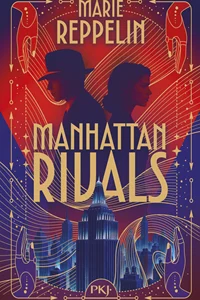 7.5/10
Manhattan Rivals
Pocket Jeunesse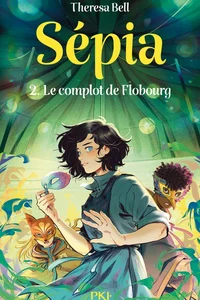 10/10
Sépia, tome 2 : Le complot de Flobourg
Pocket Jeunesse 8/10
100 Films d’animation japonais
Yniss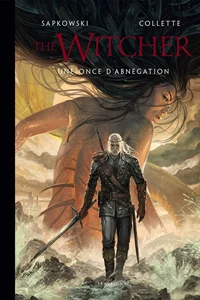 8/10
The Witcher: A Little Sacrifice
Bragelonne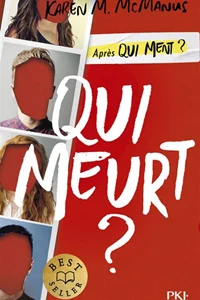 7/10
One of Us Is Next
PKJ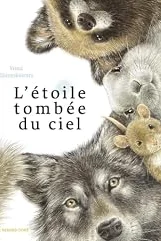 9/10
The Star That Fell from the Sky
 8/10
Mégères et vamps face caméra
L’Harmattan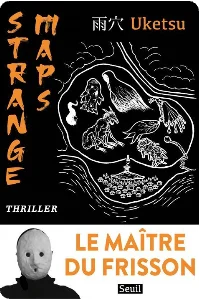 8/10
Strange Maps
Seuil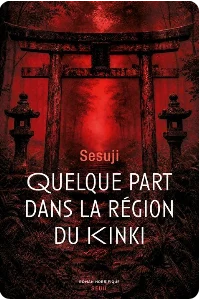 7.5/10
Quelque part dans la région du Kinki
Seuil 7.5/10