
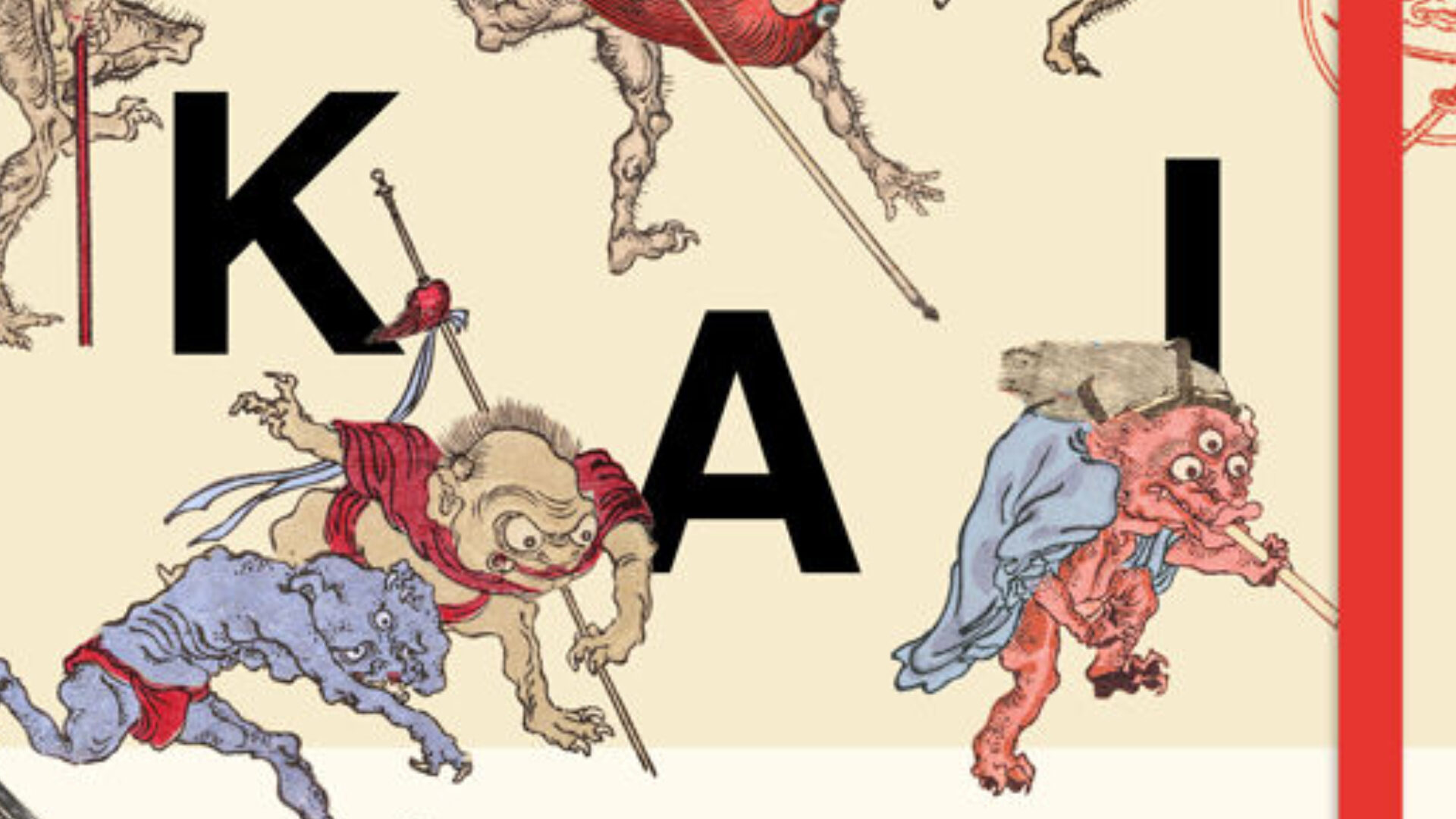
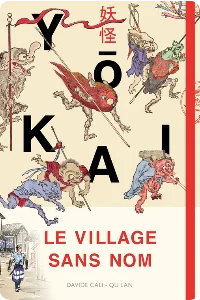
Le Village sans nom
Mischievous yōkai and a samurai’s compromise
Score: 8/10
Images and videos

 By Mishakal Yveldir · published · 2 min read
Le Village sans nom is a book by Davide Cali and Qu Lan, published by Éditions de l’Élan Vert on 5 June 2026. It runs to 72 pages.
Tax-exempt yōkai
Daisuke is a samurai in the service of the daimyo, collecting taxes from artisans, fishermen, merchants… The tax in question, kemono-nari, is paid in rice. Farmers pay nengu, sacrificing up to half their harvest.
Daisuke has spent three seasons travelling the countryside to fulfil his mission. But one village has never paid a thing. It is said to lie in the province of Tomori, and people say it is haunted by yōkai…
Sceptical, Daisuke is convinced these are simply people refusing to pay their taxes. Somewhat taken aback at having to find a village with no name, he lets himself be guided until he reaches it. Naturally, he looks for the village chief, but the chief is absent, as is everyone else he tries to contact. Yes, these people really do not want to pay!
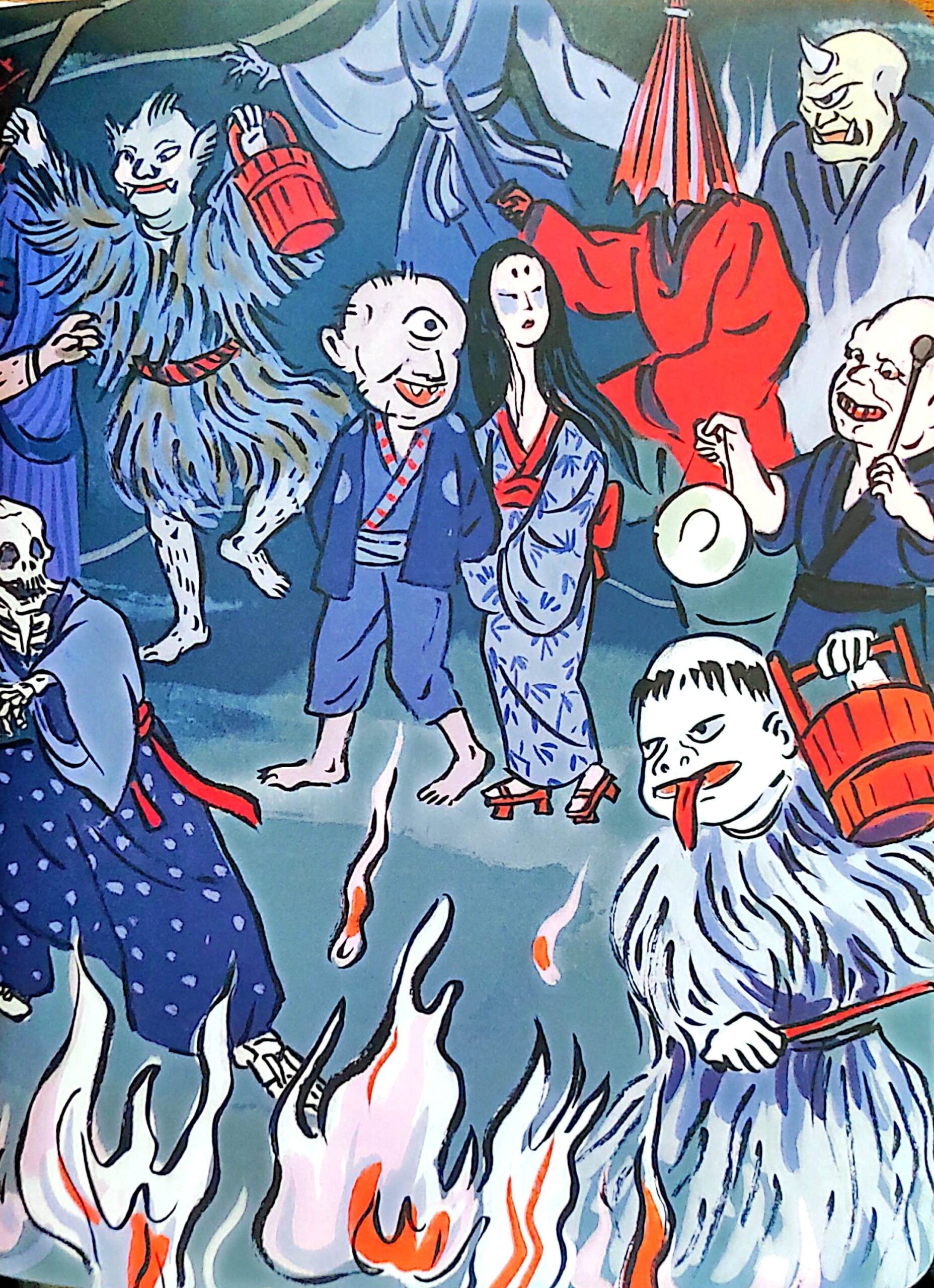
But in the evening, the village comes alive. Suddenly more numerous, its people celebrate, and Daisuke accepts the sake they offer. He has nightmares about monsters and wakes up in his cart the next morning, with no memory of retracing his steps. Determined to do his duty, he knocks on doors again, only to hear the same answer: no one is there. That evening, the people gather in the square once more. Daisuke does not dare ask them to settle their debt in the middle of a celebration. And he accepts the sake that draws him into disturbing dreams…
The next day, waking in his cart again without the slightest memory, Daisuke resolves to demand the tax the villagers owe. But he does not know that the village truly is inhabited by yōkai, and they certainly have no intention of paying anything… Worse still, the place seems ideal for welcoming lost travellers…
Illustrations and culture
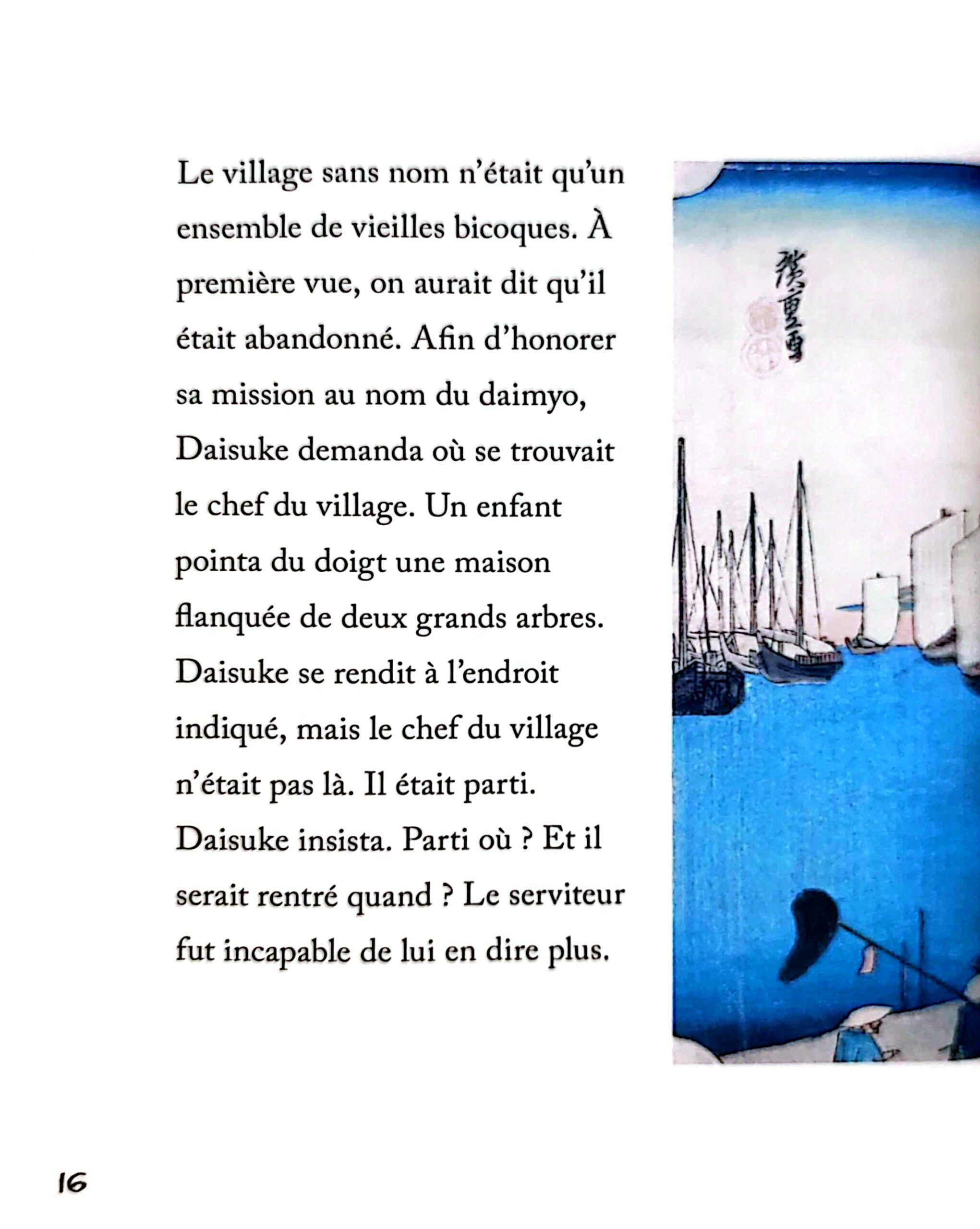
Many illustrations punctuate the book, some by Qu Lan and others iconic prints, such as Hiroshige’s One Hundred Famous Views of Edo from 1857, capturing a moment in history. It is easy to be drawn into this unsettling tale for readers aged 9–13.
An informative section closes the book, offering details about yōkai and folklore. Carefully written by Dominique Buisine, this cultural material enriches the journey: who the yōkai are, the Night Parade of One Hundred Demons, tsukumogami, yōkai born from everyday objects, and emaki, the early illustrated narrative scrolls that preceded manga, a word initially found in Hokusai’s sketchbook.
Verdict
Mischievous yōkai and a samurai’s compromise
8/10
Le Village sans nom is a children’s book designed to tell a story accompanied by beautiful illustrations. This tale drawn from Japanese folklore is easy to carry around, and its informative pages are genuinely engaging.
More in Books
Full library 8/10
100 Films d’animation japonais
Yniss 8/10
The Witcher: A Little Sacrifice
Bragelonne 7/10
One of Us Is Next
PKJ 9/10
The Star That Fell from the Sky
 8/10
Mégères et vamps face caméra
L’Harmattan 8/10
Strange Maps
Seuil 7.5/10
Quelque part dans la région du Kinki
Seuil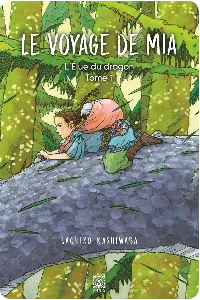 7.5/10
L’Élue du Dragon Volume 1: Le Voyage de Mia
Ynnis Éditions 8/10
Comme dans une romance de Noël… ou pas !
Hauteville 9/10