
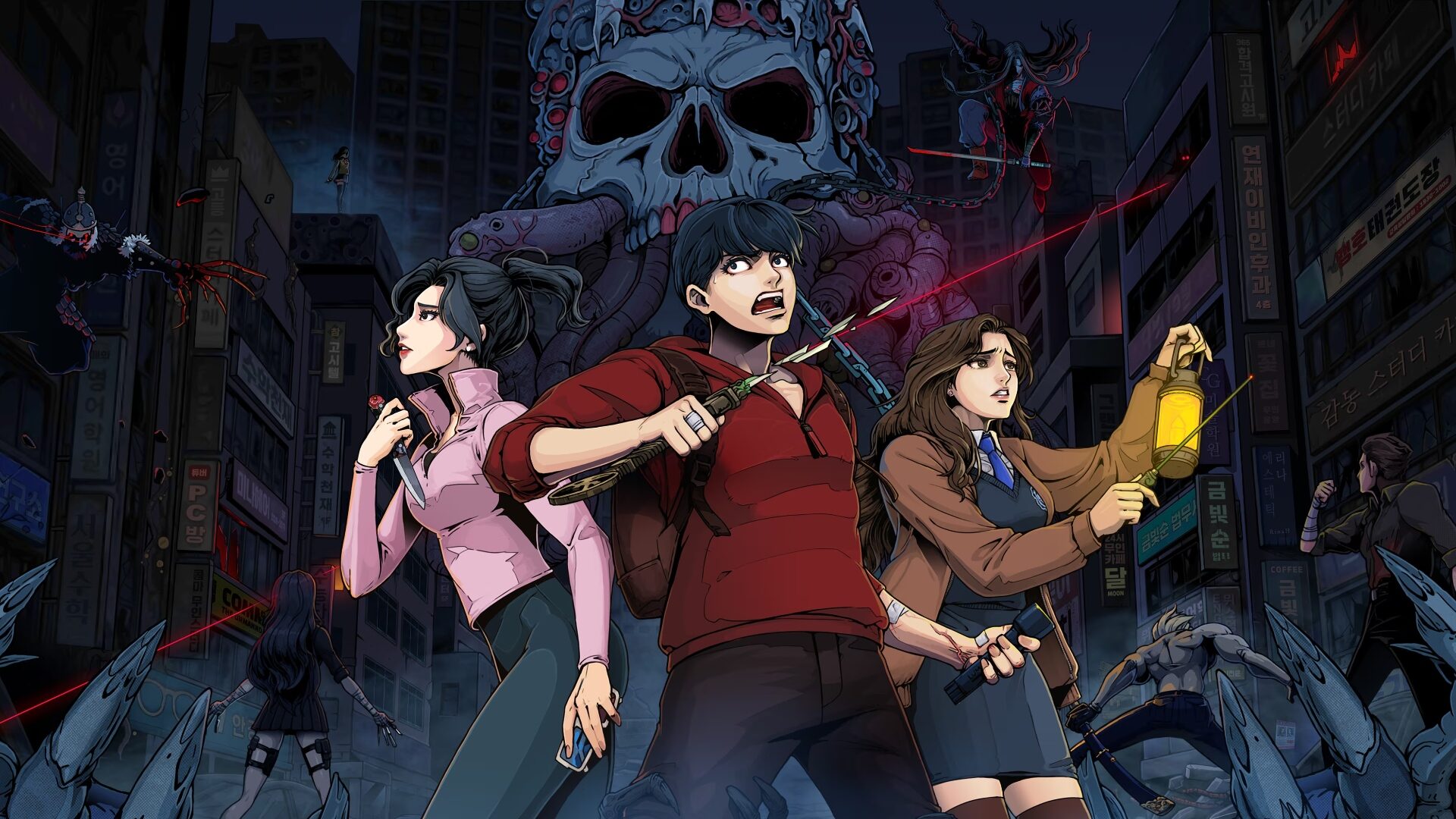
The Coma 3: Bloodlines
Sehwa closes its doors
Score: 6/10
Images and videos
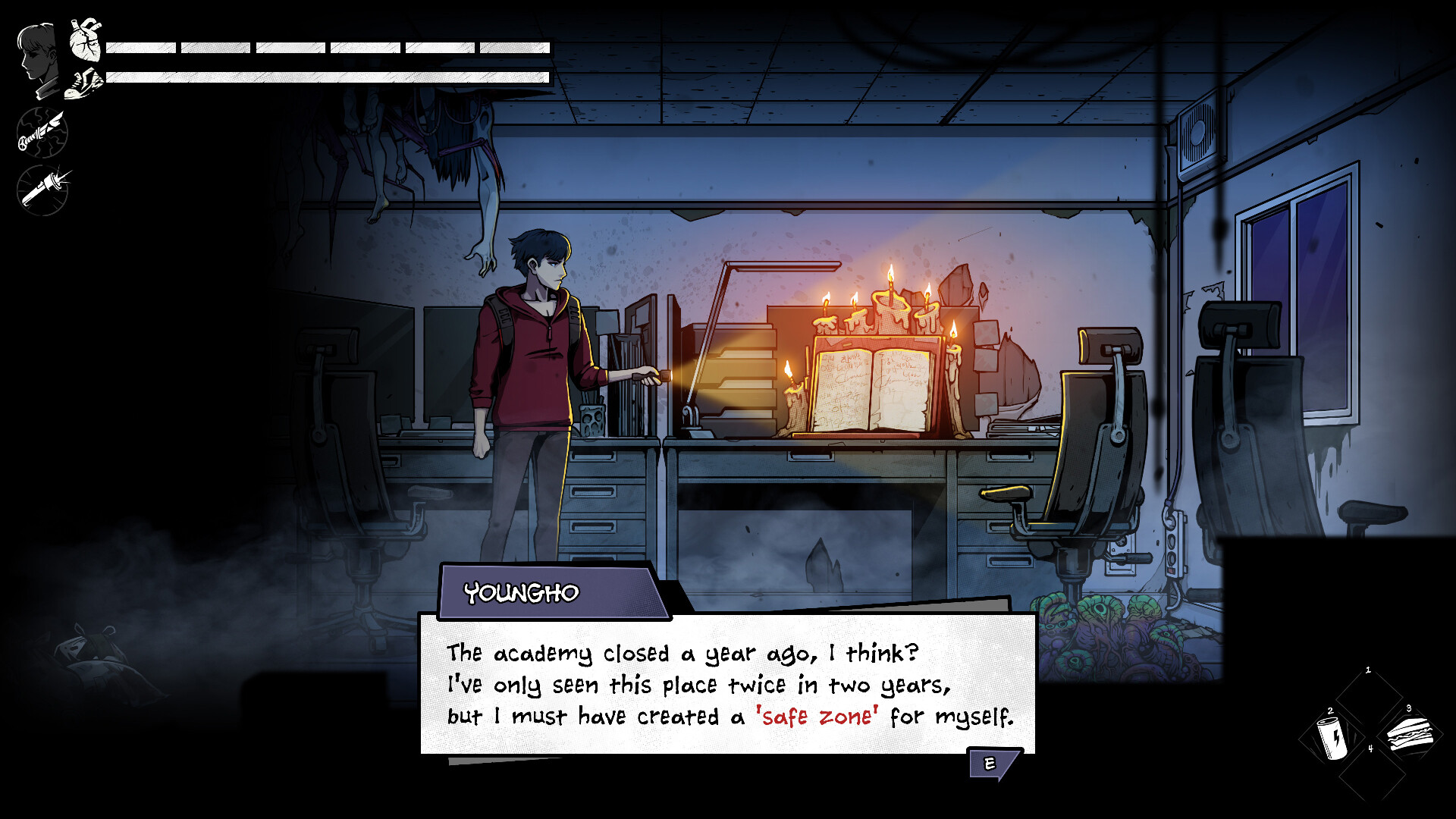
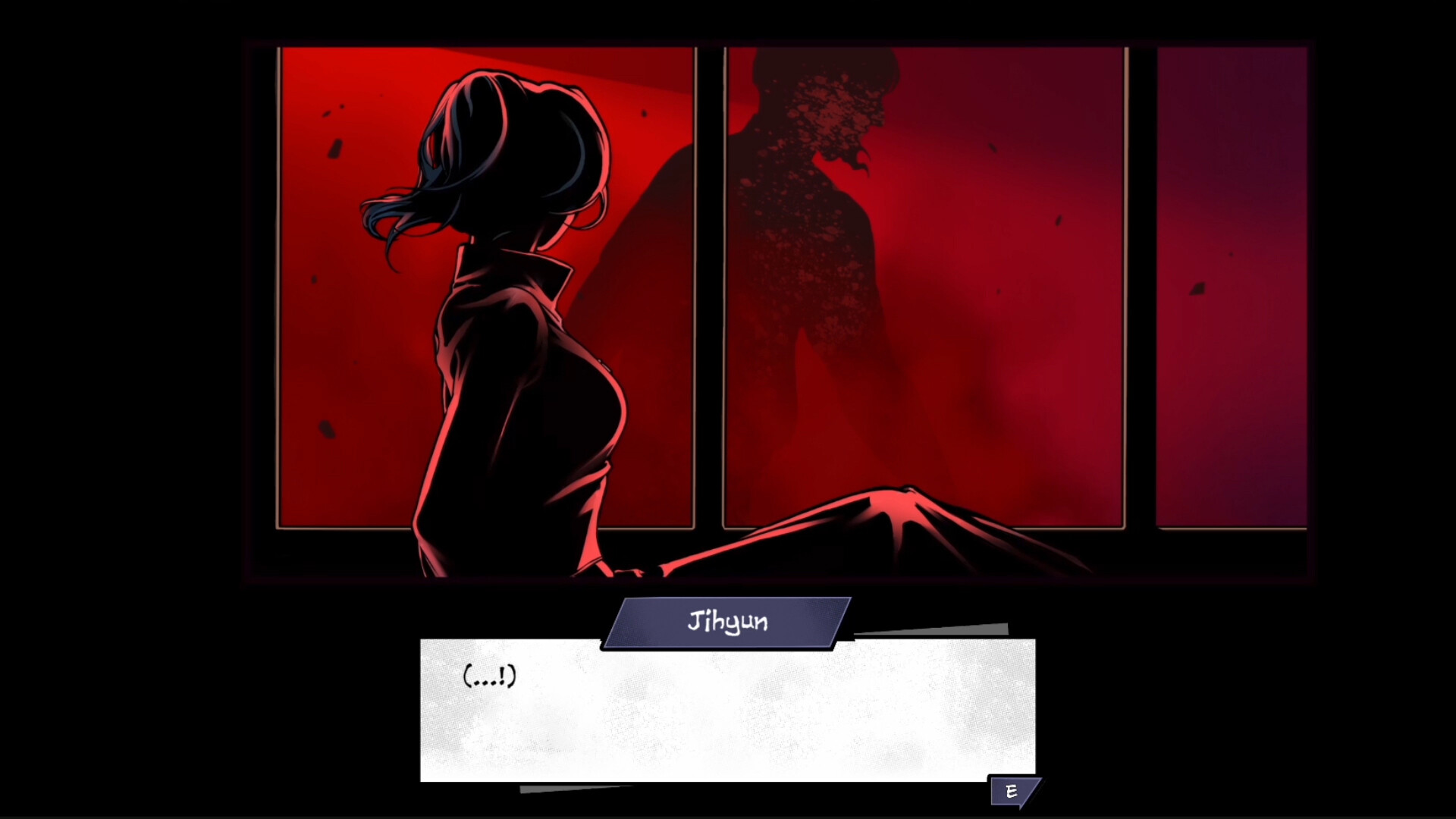
At a glance
We liked
- A real conclusion to the story of Sehwa
- A Korean atmosphere that is always unique
- More compact spaces that reinforce tension
- Three playable characters that add depth
We liked less
- An unwelcoming episode for newcomers
- Stiff movements and interactions
- Puzzles that are too frequent or too obscure
- Some bosses are more tiring than terrifying
 By Farrel Grimwood · published · 5 min read
Contents
The Coma 3: Bloodlines arrives with a particular weight. It’s no longer just about making a teenager run through a corridor that’s too dark, nor about replaying yet another variation around a haunted high school. Dvora Studio comes here to close a story that began a long time ago, with Sehwa, its foundation, its ghosts, its curses and this mirror world which transforms rumors into very real traps.
The game keeps the formula that made the identity of the series. The Coma has never been about power, but a tightening vice. Bloodlines knows this, and builds its final lap around tighter spaces, three playable characters and more marked bosses, each linked to this cursed story that refuses to die properly.
This third episode is not the easiest to get started. It carries too many memories for that. But it also has a real quality: it knows what it has come to conclude. When it focuses on its atmosphere, on the fear of being trapped, on this occult Korea which gives the series an immediately recognizable color, Bloodlines finds what The Coma does best. When it forces its new features or stretches its puzzles, it also reminds us of the limits of a formula that has never been completely flexible…
A finale designed for returning players
The story of Bloodlines works first of all by return. Youngho, Mina, and Jihyun give the game its sense of conclusion. The old threads return, the debts of the past are paid, and Sehwa gradually ceases to be just a place to become the center of a mythology that the episode attempts to close.
This is where the game hits the mark. It does not seek to erase previous episodes, nor to start from scratch to attract a new audience. It accepts its status as the final chapter. This fidelity gives depth to certain moments, especially when the characters seem less to be fleeing a monster than a story that has caught up with them.
The counterpart is obvious: Bloodlines requires you to already have a foot in the series to fully enjoy what it tells. Newcomers can follow the emergency, understand the immediate danger, grasp the broad outlines of Coma World. They will feel less the weight of certain reunions, the value of some answers, the sadness of a door that finally closes.
Of course, this is exactly what fans have been waiting for. A finale has the right to speak first to those who have made the journey. But this reduces the emotional impact of the game, especially when it relies on memories of the series. Bloodlines is strongest when it makes the end of a cycle felt through situation, space and danger, rather than through the stacking of proper nouns. And these moments come too rarely.
Running in tighter spaces
The best idea of this third episode is undoubtedly its tightening. The places are less open, more compact, more tense. The game gains immediate pressure. A hiding place too far, a corridor too short, an enemy who returns too quickly: Bloodlines understands that fear is often born from missing space.
The heart remains that of a game of escape, as with the previous ones. Even when Youngho can defend himself, even when the game introduces more tools, direct confrontation never erases the logic of survival. You have to observe, save, hide, wait until the threat leaves just enough space to pass. It is in this discipline that Bloodlines finds its tension.
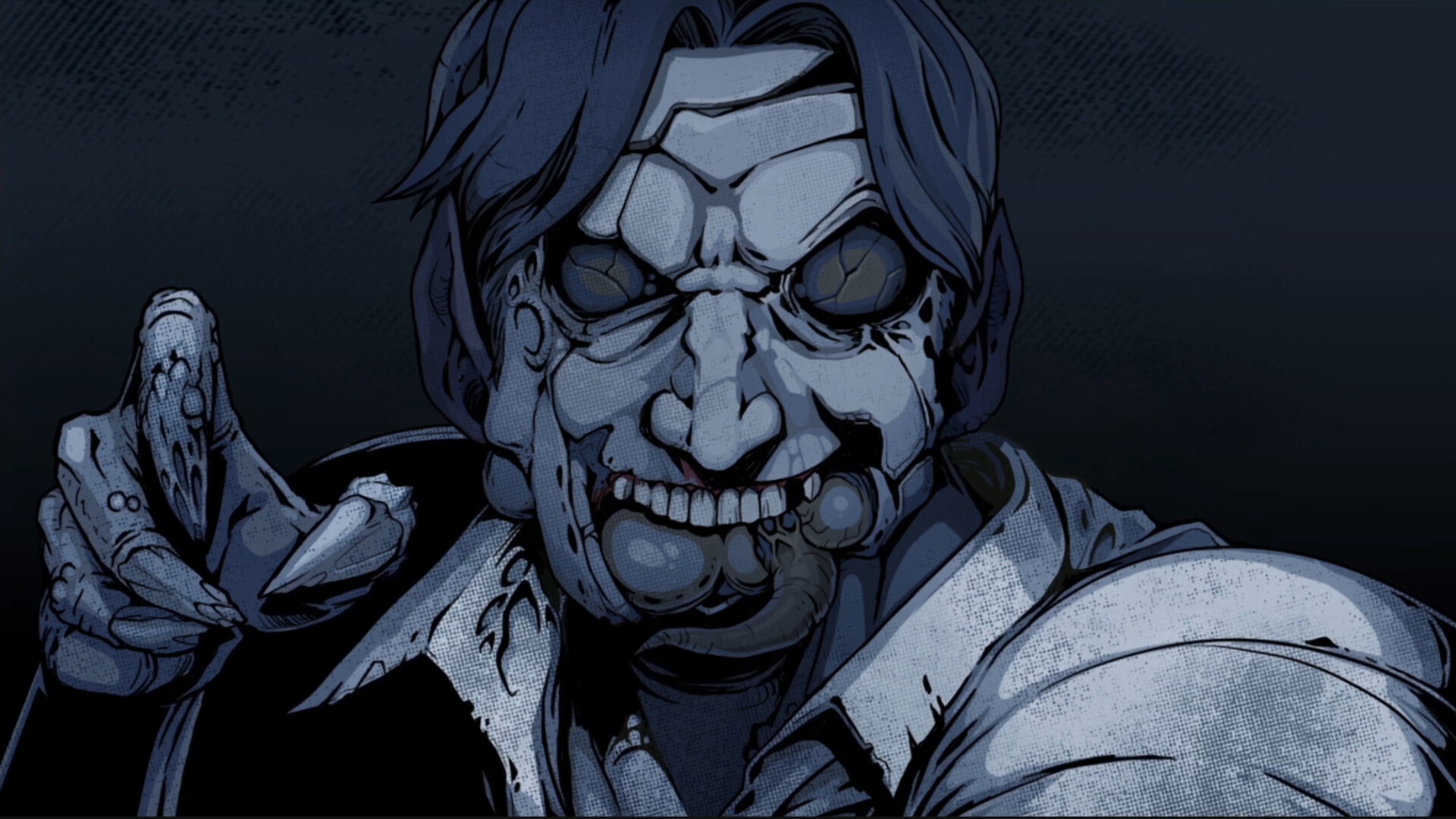
Bosses provide useful variation. They’re not just larger figures chasing the player. They impose rules, attacks, sometimes precise rhythms. The game then becomes more readable in its difficulty: it does not only ask you to escape, but to understand how.
Unfortunately, some sequences last longer than they should, some back and forth breaks the tension, and some objectives lack clarity. Fear then becomes less organic. We no longer get lost because the world is scary, but because the game still retains an element of stiffness.
Three characters, three ways to survive
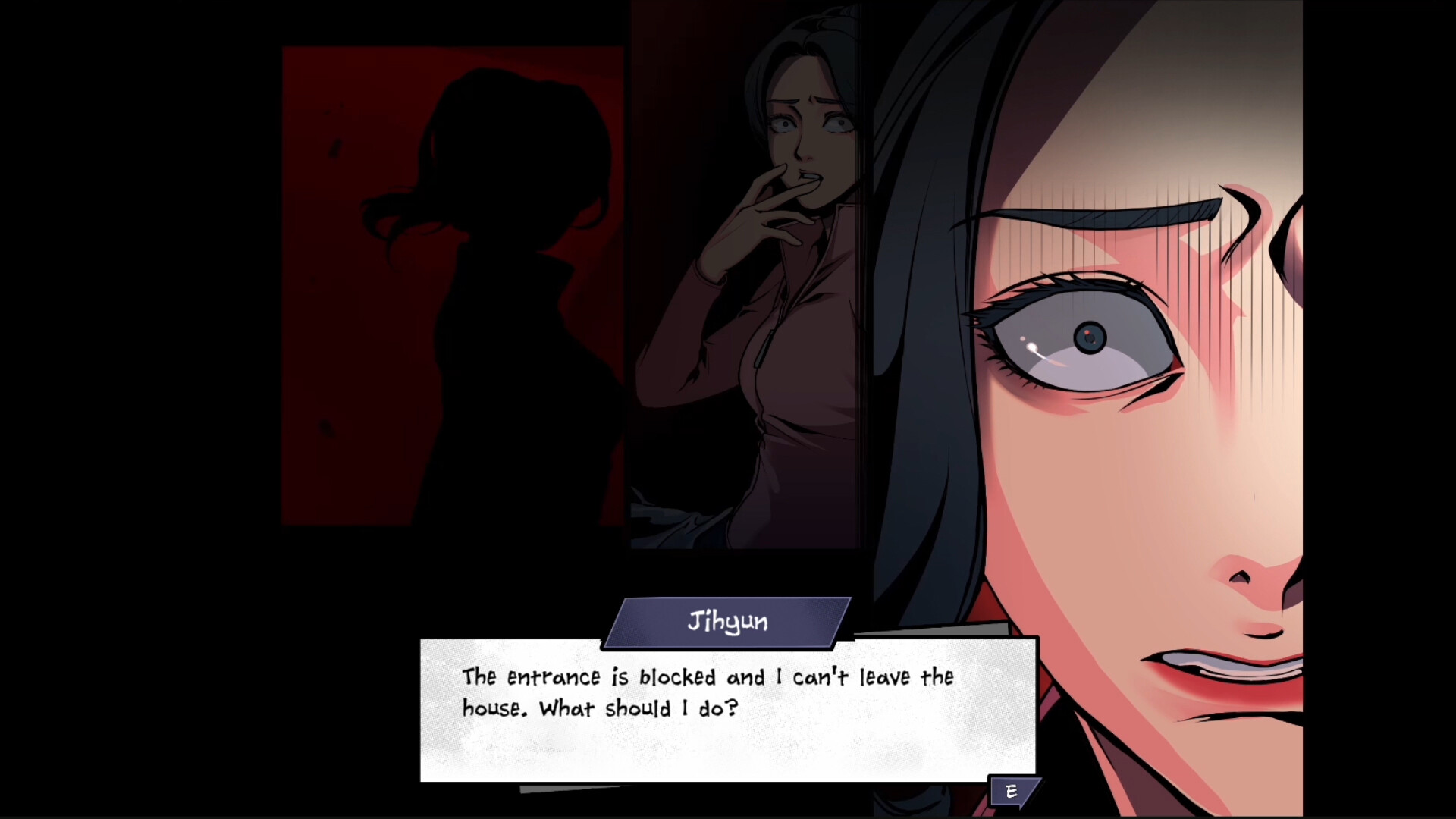
The alternation between three characters gives Bloodlines some air. Youngho, Mina and Jihyun don’t change the game to the point of transforming it, but they shift habits enough to avoid monotony. Their abilities, their fragilities and their relationship to danger give the nightmare several angles of attack.
This choice also serves the story. The Coma 3 does not tell the story of an individual escape, as was the case in previous opuses. It tells of a shared ending, a world that closes on several trajectories. The change of point of view makes it possible to give more breadth to the story, and above all to prevent the player from spending the entire adventure repeating exactly the same pursuit cycle.
The fact remains that not everything is exploited with the same force. Some characters naturally take up more space than others. Certain mechanics seem designed to vary the moment, not to permanently modify the way of reading the game. Bloodlines is therefore right to open its system to several perspectives, but it does not always extract all the possible richness from it.
A nightmare that still feels stiff
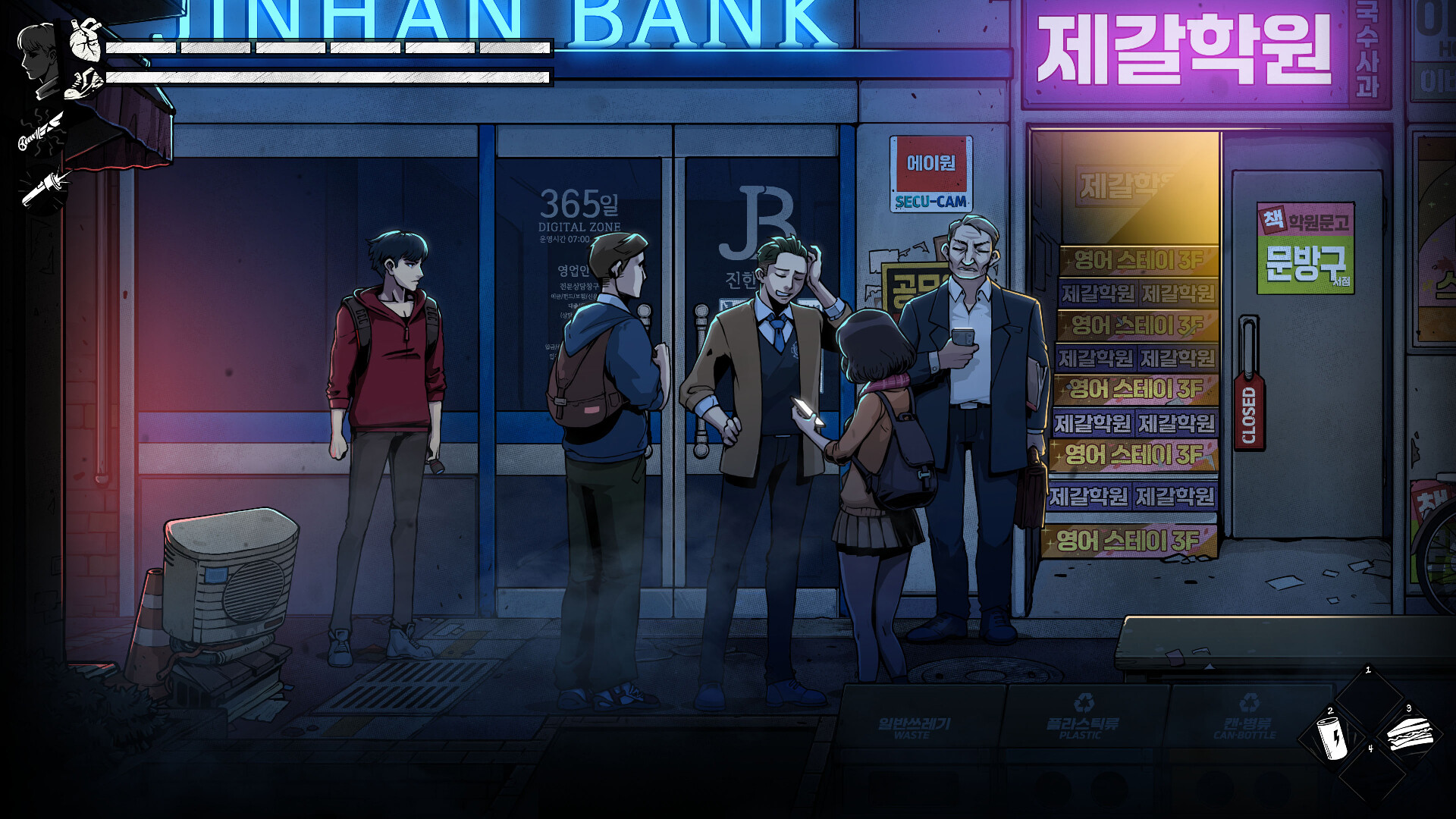
The Coma 3 retains a very beautiful visual identity. The drawing keeps this way of making familiar what should be reassuring, then twisting it just enough to make it hostile. The corridors, the puppets, the shadows and the interior places compose a horror that prefers pressure to easy shock. The sound works in the same direction: approaching noises, too long silences, sharp breaks. Bloodlines knows how to scare without constantly screaming.
The problem comes more from contact with the game. Movement remains stiff. Interactions aren’t always as clear-cut as they should be. The puzzles can become too frequent, or too cryptic for what they actually provide. The series has always lived with these rough edges, but they weigh more here, because Bloodlines wants to be more ambitious, denser, more final.
These defects crystallize especially in moments where certain bosses exhaust rather than build tension, where some saves seem too far away, where enemy behavior gives the feeling of camping the player instead of intelligently tracking him down. These are not minor reservations. In a game where fear relies on the fragile control of the body, the slightest friction quickly becomes a lack of rhythm.
We must also talk about the paid skins launched around the game. They do not change the value of the adventure, but they give a rather clumsy commercial noise to an episode which wants to conclude a dark story, and which has never had its place in an independent series. The Coma 3 needed silence around its finale, not additional costumes that clash with the seriousness of its last act.
Verdict
A solid ending, but not clean
6/10
The Coma 3: Bloodlines succeeds as a conclusion. It brings its characters together, tightens its spaces, maintains a strong Korean identity and reminds us that the series still knows how to create fear with little space, little light and a lot of waiting.
However, it remains less clear than it could have been. Its puzzles stretch out, its movements retain an annoying stiffness, certain bosses force patience more than fear, and the whole thing speaks especially to players who already know Sehwa. But the heart holds. Bloodlines closes the door with imperfect hands, yes, but with enough conviction that the noise still resonates after dark.
Pros
- A real conclusion to the story of Sehwa
- A Korean atmosphere that is always unique
- More compact spaces that reinforce tension
- Three playable characters that add depth
- Effective sound direction
Cons
- An unwelcoming episode for newcomers
- Stiff movements and interactions
- Puzzles that are too frequent or too obscure
- Some bosses are more tiring than terrifying
More in Video games
Full library 7/10
The Mound: Omen of Cthulhu
XBOX 8/10
Amanda the Adventurer 3
XBOX 7/10
Necrophosis: Full Consciousness
XBOX 8.5/10
FATAL FRAME II: Crimson Butterfly REMAKE
SERIES 5/10
Dark Atlas: Infernum
SERIES 9/10
Dragon’s Dogma 2: Dark Arisen
XBOX 7/10
Brigandine Abyss
XBOX 6/10
The Walking Dead: Streets of Survival
XBOX 8/10
Onimusha: Way of the Sword
XBOX 7/10