
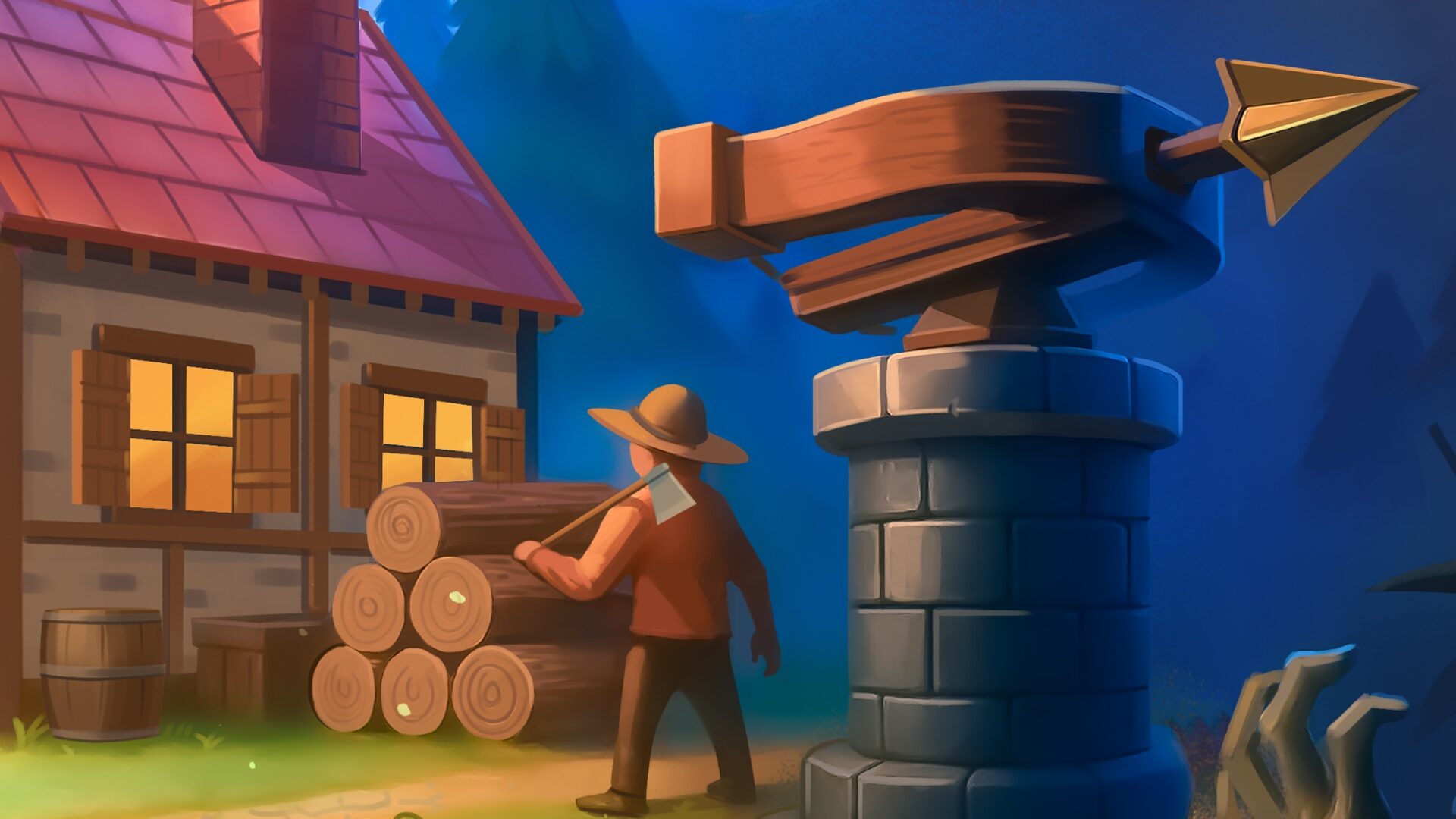
Tavernhold
Serve by day, stand by night
Score: 6.5/10
Images and videos
At a glance
We liked
- A simple and effective day/night loop
- More demanding difficulty than expected
- The ballista gives a real role to the player during attacks
- Quick, but readable management choices
We liked less
- Little freedom in the construction of the inn
- A still raw visual and technical finish
- Animations and models that are too repetitive
- The ballista sometimes lacks precision
 By Farrel Grimwood · published · 5 min read
With TavernHold, Tevniyal offers to manage a fantasy inn by day, then defend it at night against waves of undead. The game was released on January 9, 2026 on PC, with a proposal that is certainly modest, but devilishly effective. We build, we harvest, we serve customers, we save wood and gold; then night falls… and all these little people must resist the assault.
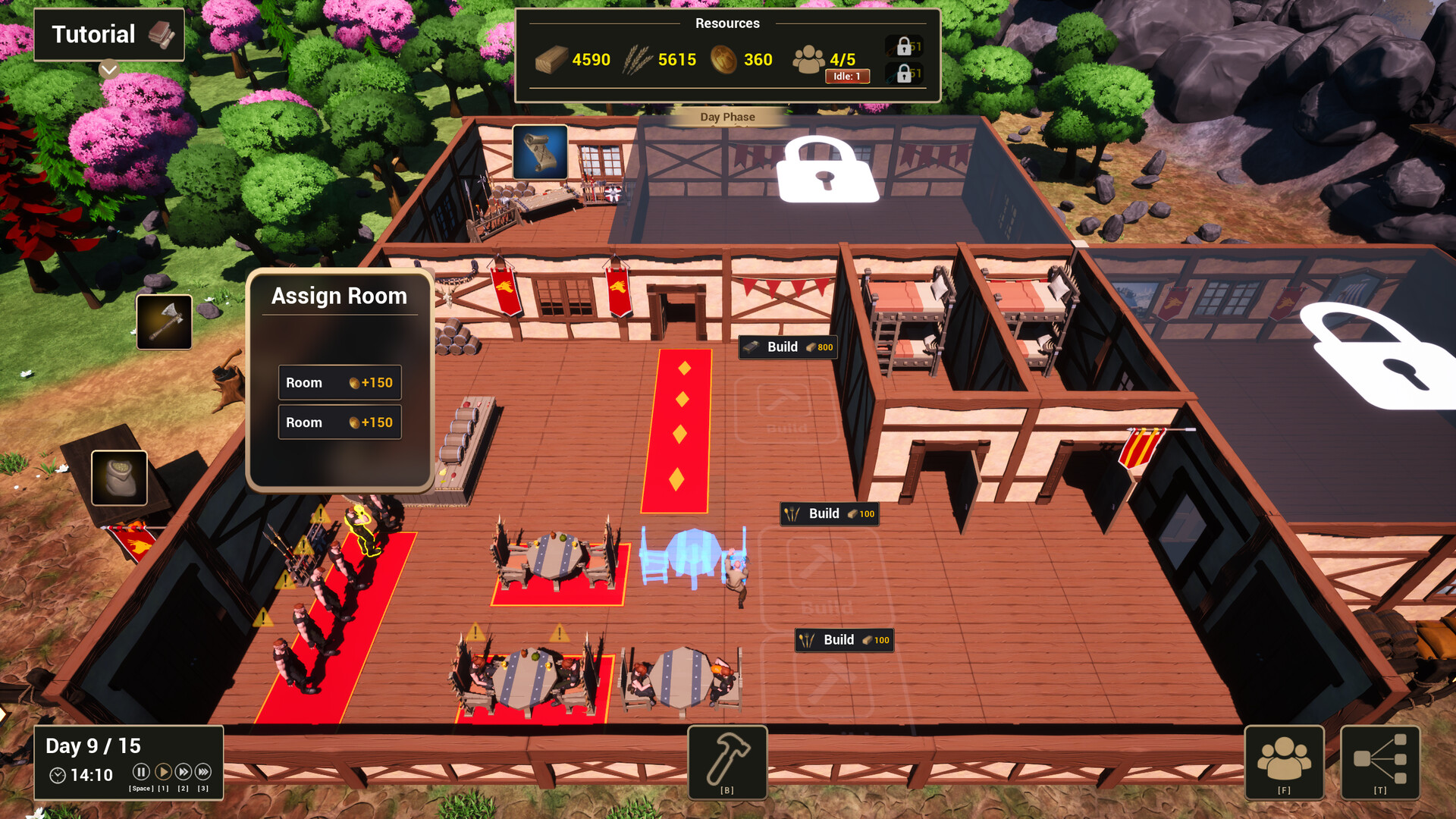
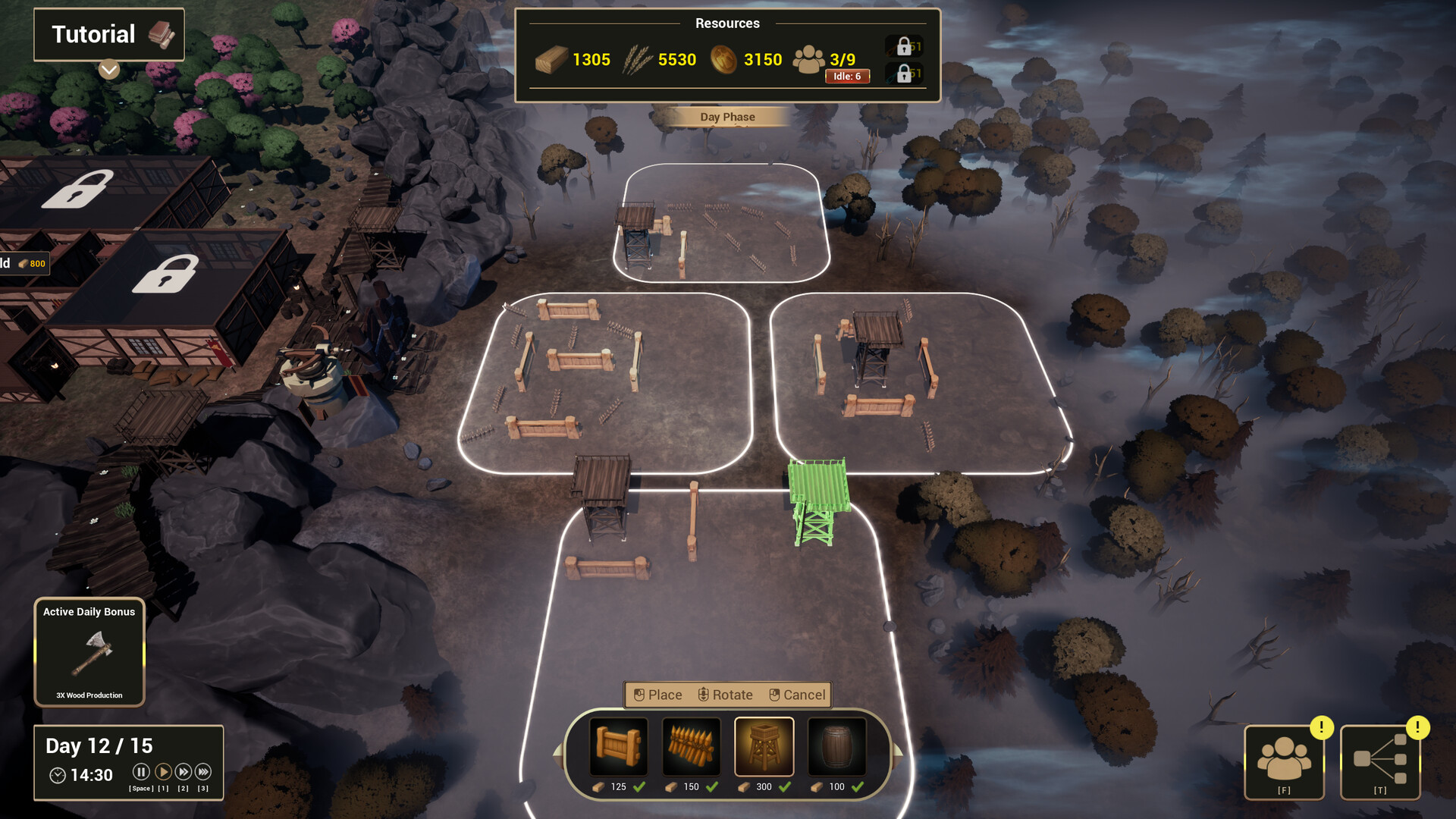
The principle is simple: during the day, employees collect resources, make new tables, add rooms, repair defenses or prepare the projectiles necessary for the next attack. Travelers pass, eat, sleep, pay. Money is used to hire, improve, strengthen. Nothing very new, but the whole thing is quickly understood.
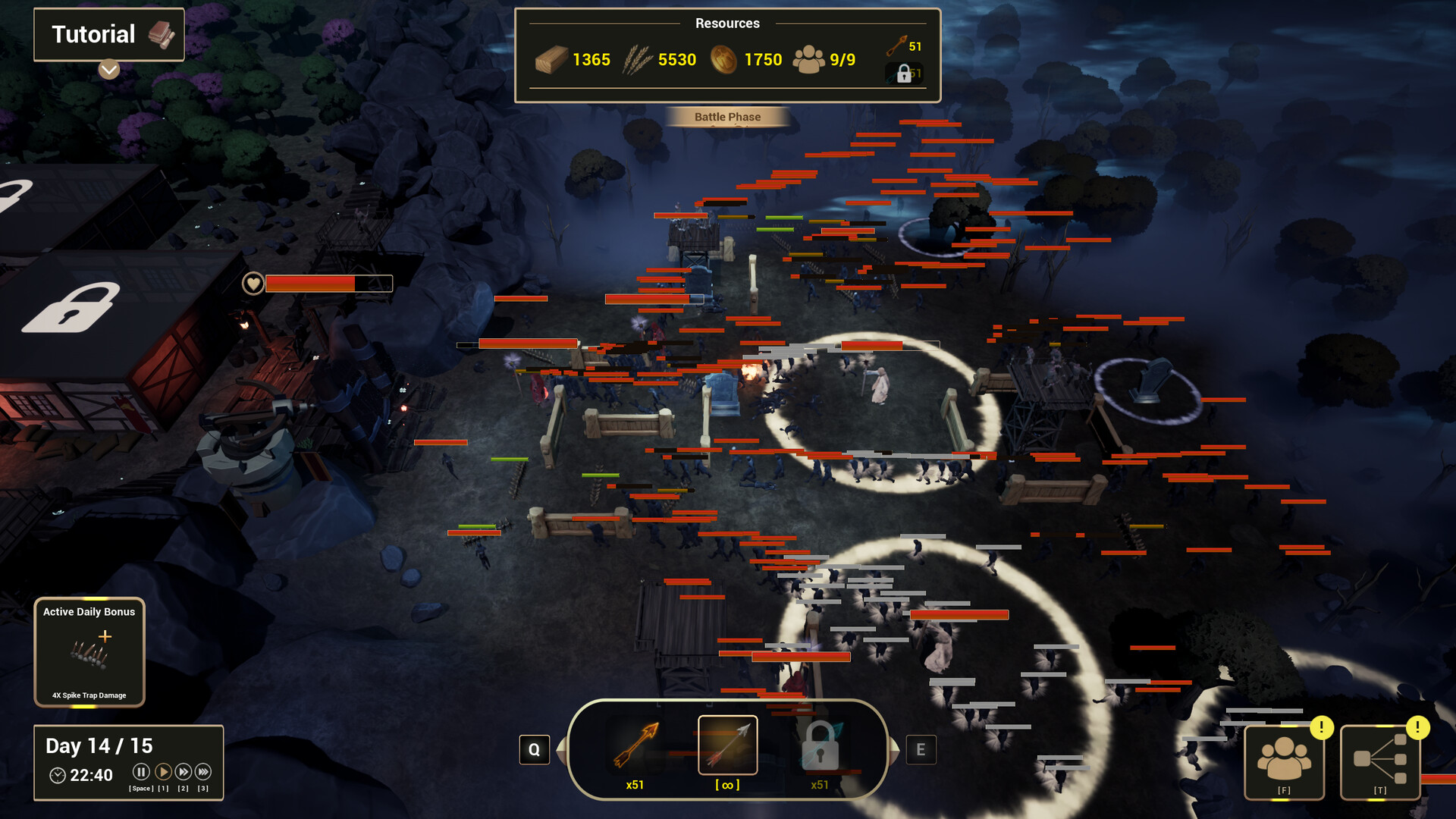
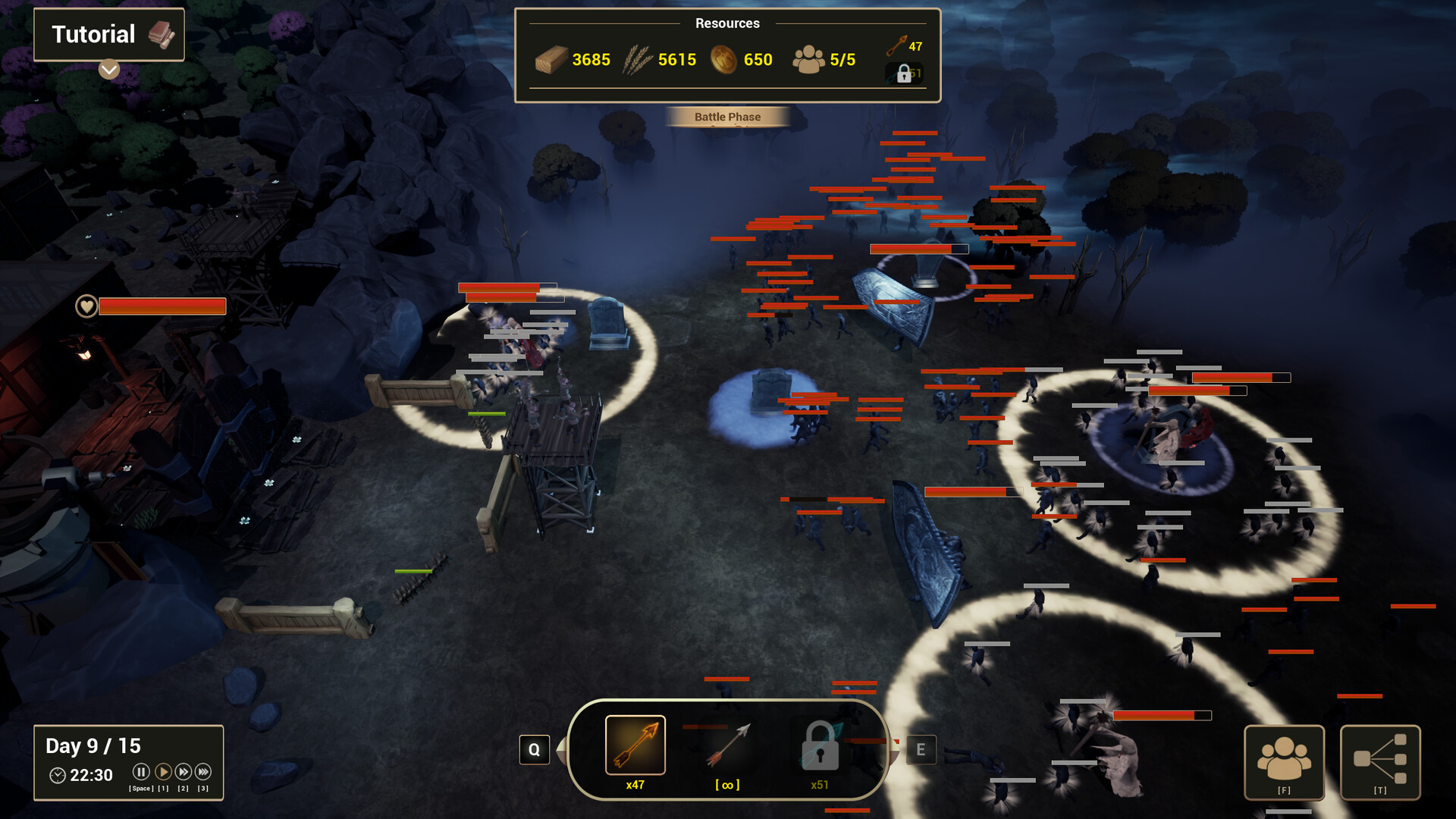
At night, TavernHold changes pace. Workers climb the ramparts, traps slow down enemies and the player takes direct control of a large ballista. You have to aim correctly, manage special projectiles, contain the waves and prevent the undead from reaching the door. If the inn falls, the game ends.
It remains to be seen whether this alternation between light management and tower defense is enough to give a real identity to the game, or if TavernHold remains only a small effective loop, but too limited to last over time.
A tightly structured inn
TavernHold doesn’t waste time opening a thousand menus or drowning the player in secondary systems. We quickly understand what needs to be done: produce, build, serve, defend. Each day prepares for the next night, and each night reveals the mistakes of the day.
This simplicity is good. The game doesn’t need long explanations to build tension. Should we build more tables to earn more? Add a room? Reinforce the door? Send an employee to collect wood, or keep them preparing special bolts? The game is based on these kinds of small dilemmas, simple but effective.
Employee management also gives a little relief to the whole thing. A worker assigned to one task cannot perform another. Preparing defenses therefore means slowing down the economy. Producing more resources can leave the tavern too fragile when night comes. TavernHold is interesting when it forces you to make these choices without leaving enough time to optimize everything.
But this management remains very limited. The inn is built mainly from locations and options planned in advance. We add tables, rooms, traps, a few harvest points, but we don’t really shape the place with much freedom. Those looking for a real inn customization game may find the whole thing quite limited.
This is the first limitation of the game. TavernHold does not seek to be Tavern Master, nor a great fantasy trading simulator. It uses the inn as a very simple economic engine. It works, but also gives the game a hallway feel. Management feeds the defense, more than it really exists for its own sake.
The night does the work
The tower defense part is ultimately the one that gives the most character to TavernHold. When night falls, the game becomes more direct, more tense, sometimes even more demanding than its appearance would suggest. The waves arrive, the enemies advance, the door is damaged, and the player must intervene with the ballista while the employees shoot from the walls.
This ballista is a good idea. It prevents the player from remaining a mere spectator of his own defense. You have to aim, choose the right moment, use explosive or icy projectiles in the right place, then quickly correct when a line of enemies approaches too quickly. TavernHold strikes a pleasing balance between strategic preparation and direct intervention.
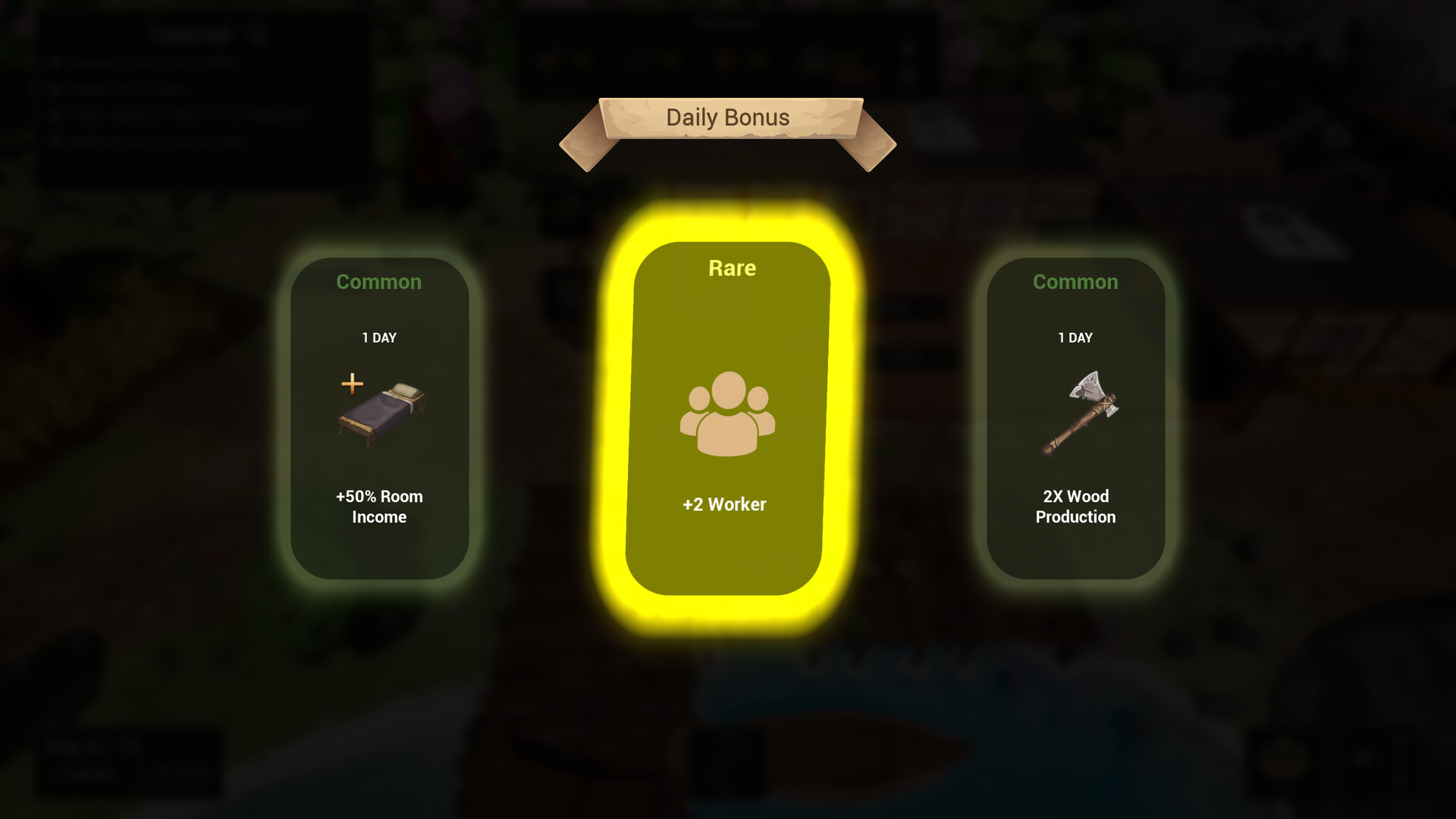
Daily bonuses also add a little welcome variation. At the start of each day, the game offers an advantage which slightly modifies the way you approach the rest. More resources, slower enemies, better gains: nothing revolutionary, but enough to prevent routine from setting in too quickly.
The bosses and the gradual increase in difficulty also encourage us not to neglect defenses. TavernHold may surprise you with its harshness. A bad day, a forgotten repair, a misused ballista; and the game can quickly change. The game is not very deep, but it knows how to apply decent pressure.
Still, this nocturnal phase also shows the limits of finishing. Collisions and ballista accuracy don’t always feel great. Some animations remain basic. Enemies and clients lack variety. The game is held together by its loop, much less by the richness of its staging.
A good loop, little margin
TavernHold deserves credit for knowing what it is. A small, independent, direct game, built around a very readable alternation. It does not seek to give the illusion of a huge sandbox, nor to stack mechanics to appear deeper. Its interest comes from the simplicity of its loop: earn during the day what you have to spend to survive the night.
And this loop works. It pushes you to restart a game, to try another priority, to better prepare the projectiles, to lay the traps differently, to sacrifice a little profitability to hold one more wave. Game over is not discouraging, because you generally understand what went wrong. We want to correct, rarely abandon everything.
But TavernHold clearly lacks depth. The management does not go far enough, the tower defense remains simple, and the construction possibilities rarely give the feeling of real freedom. The game is effective, but very modest. It amuses more than it surprises.
The visual part goes in the same direction. The whole thing is readable, clean in its intentions, but quite crude. The models repeat themselves, the animations lack naturalness, and certain interactions still give the impression of a project that needed more time to round out its angles. We feel the good idea, but also the limits of a first game.
This is not necessarily prohibitive. TavernHold remains enjoyable because it doesn’t promise more than it can deliver. It has a clear loop, a more solid difficulty than expected, and a simple identity. But you shouldn’t expect a great inn simulation or a very rich tower defense from it. It’s a game short in its ambitions, sometimes rough, but capable of holding attention.
Verdict
A small inn that stands up
6.5/10
TavernHold succeeds above all through the clarity of its idea. Managing the inn during the day, surviving the undead at night, improving what can be improved before the pressure rises: the loop is simple, effective, and tense enough to make you want to restart a game.
The game remains limited, sometimes too structured, and clearly lacks finish on several points. But Tevniyal Studios delivers an honest, modest offering, which never goes very far in its two genres, while nevertheless finding a pleasant rhythm. A small, imperfect inn, but at least it knows why it's opening its doors.
Pros
- A simple and effective day/night loop
- More demanding difficulty than expected
- The ballista gives a real role to the player during attacks
- Quick, but readable management choices
- A modest, but coherent proposal
Cons
- Little freedom in the construction of the inn
- A still raw visual and technical finish
- Animations and models that are too repetitive
- The ballista sometimes lacks precision
- Limited depth over time
More in Video games
Full library 10/10
World of Warcraft: Forever
PC 8.5/10
Warhammer 40,000: Boltgun 2
PC 9/10
Total War: Warhammer III – Lord of the End Times DLC
PC 7/10
Revisited | Warcraft III: Reforged
PC 7.5/10
Warcraft III Reforged: Forsaken Kingdom
PC 8.5/10
World of Warcraft: Midnight
PC 9/10
Puzzle Bobble Everybubble!
PC 6/10
Crown of Greed
PC 6.5/10
Beyond The Threshold
PC 7/10