
Legacy of Kain: Defiance Remastered
The return of a cult game that time has never really let sleep
Score: 7/10
Images and videos
At a glance
We liked
- Writing and dubbing that retain a rare strength
- A remastering that really improves comfort
- Bonuses and tools that finally give context to the return
- All the tragic darkness of Nosgoth still intact
We liked less
- Gameplay that remains repetitive despite adjustments
- A structure whose age remains very apparent
- A visual remastering that sometimes exposes more than it sublimates
- A fairly steep entry point for newcomers
More on Legacy of Kain
 By Farrel Grimwood · published · 8 min read
Contents
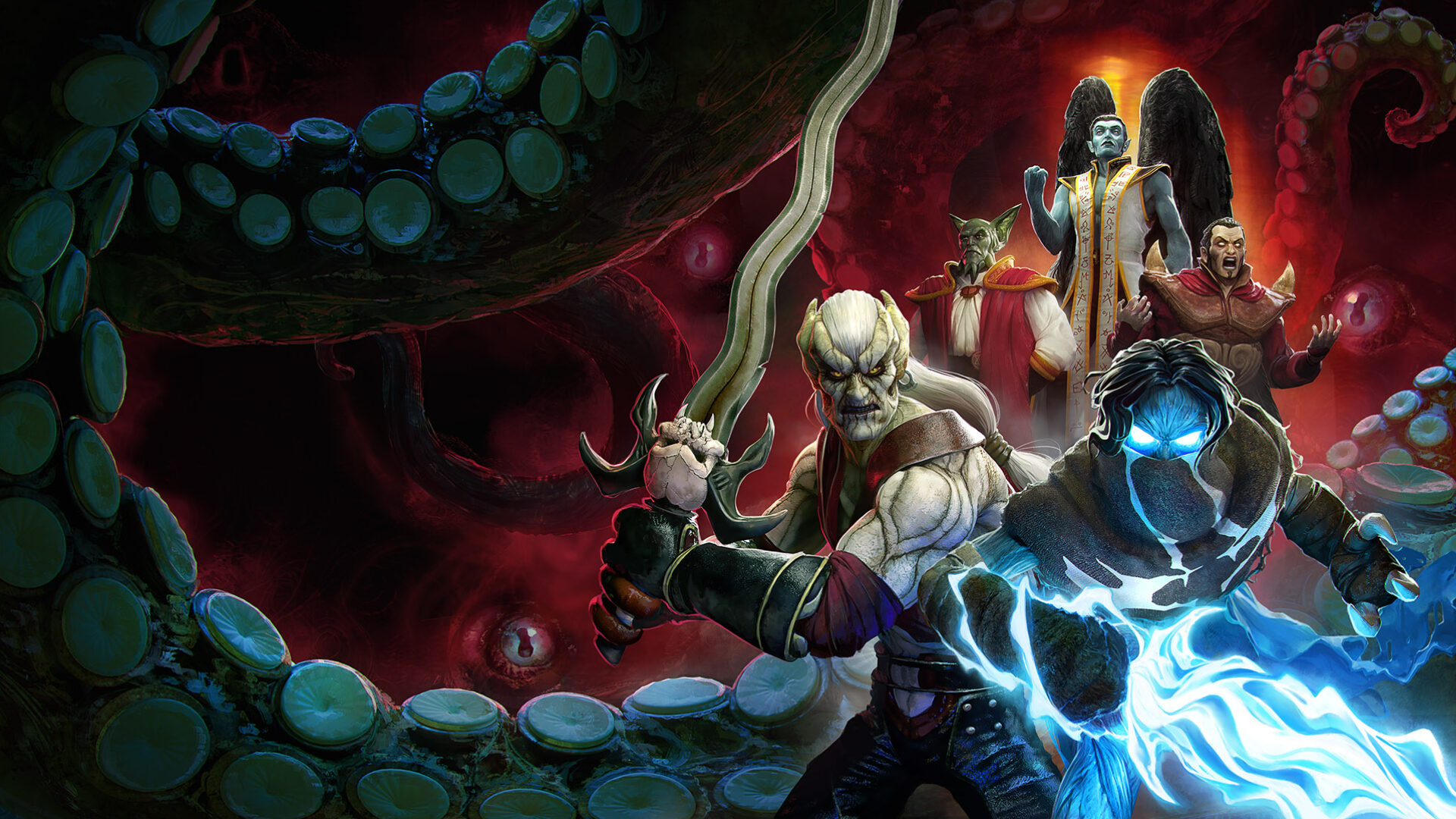
Published on March 3, 2026 on Xbox Series, among other platforms, Legacy of Kain: Defiance Remastered brings back to the forefront the episode which closed the face to face between Kain and Raziel. Crystal Dynamics resurrects its gothic action adventure with HD graphics, a modernized camera, reworked controls, the ability to switch at any time between the original display and the new presentation, as well as a set of bonuses that range from photo mode to lost levels through a more complete lore reader.
Just seeing Defiance again today is no small thing. It’s not just an old game that we’re dusting off, it’s the last great piece of a saga whose reputation is built as much on its darkness, its language and its mythology as on its gameplay. Returning to Nosgoth in 2026 means finding a title steeped in history, with all that that implies of intact fascination, but also of very visible friction with time.
This remastering then poses a real question, and it is more interesting than it seems. Are a few well-thought-out adjustments enough to make a game that still belongs deeply to its time fully enjoyable, or does Legacy of Kain: Defiance Remastered remain above all a magnificently revived museum piece, but incapable of completely hiding the rigidity of its old bones?
The Twin Shadows of Nosgoth
If there’s one area where Legacy of Kain: Defiance Remastered immediately retains its strength, it’s storytelling. The game is always based on this confrontation between Kain and Raziel, two figures who appear to be completely opposed, but whom destiny continues to draw towards each other. This duality gives the game real dramatic material, with this permanent sensation of witnessing a tragedy that has already been underway for a long time and which can no longer really be interrupted. And for good reason, Defiance is the fifth instalment of the saga confronting Kain and Raziel.
The game talks a lot, sometimes even with a density that can seem intimidating today, but above all it speaks with a real voice. The dialogues have weight, the exchanges have gravity, and all this mythology of prophecies, betrayals and manipulations retains a rare presence. Time may have weighed down certain aspects of the gameplay, but it has far less affected the quality of this dark and deliberately solemn story.
Kain and Raziel obviously carry the whole thing on their shoulders. The first remains a fascinating figure for his coldness, his lucidity and this way of always seeming to look further than everyone around him. The second, on the contrary, preserves something more tormented, more interior, almost more painful. It is from this opposition that most of the tension of the game comes. Not a simple rivalry, but a confrontation fueled by dependence, resentment and the certainty that each represents for the other much more than a casual enemy.
This narrative power also owes a lot to its dubbing. Even today, the voices of Kain and Raziel are enough to give the scenes a depth that many more recent productions do not achieve. They reinforce the darkness of the tone, the wounded nobility of the characters and this very particular impression of evolving in a world where each word seems to weigh more than in a classic action adventure. The remastering was right to preserve this dimension without trying to smooth it.
There remains an obvious limit. Defiance is not a welcoming story. It requires knowing its world, its fractures and part of what happened before to fully grasp its scope. For regulars, this requirement is part of the charm and even reinforces the singularity of the whole. For newcomers, however, it can create a real distance, despite the efforts of this remastered version to better contextualize the saga. This is both its weakness and its greatness. The game refuses to simplify its own darkness, and that’s precisely what allows it to still stand so straight.
The old flesh of the fight
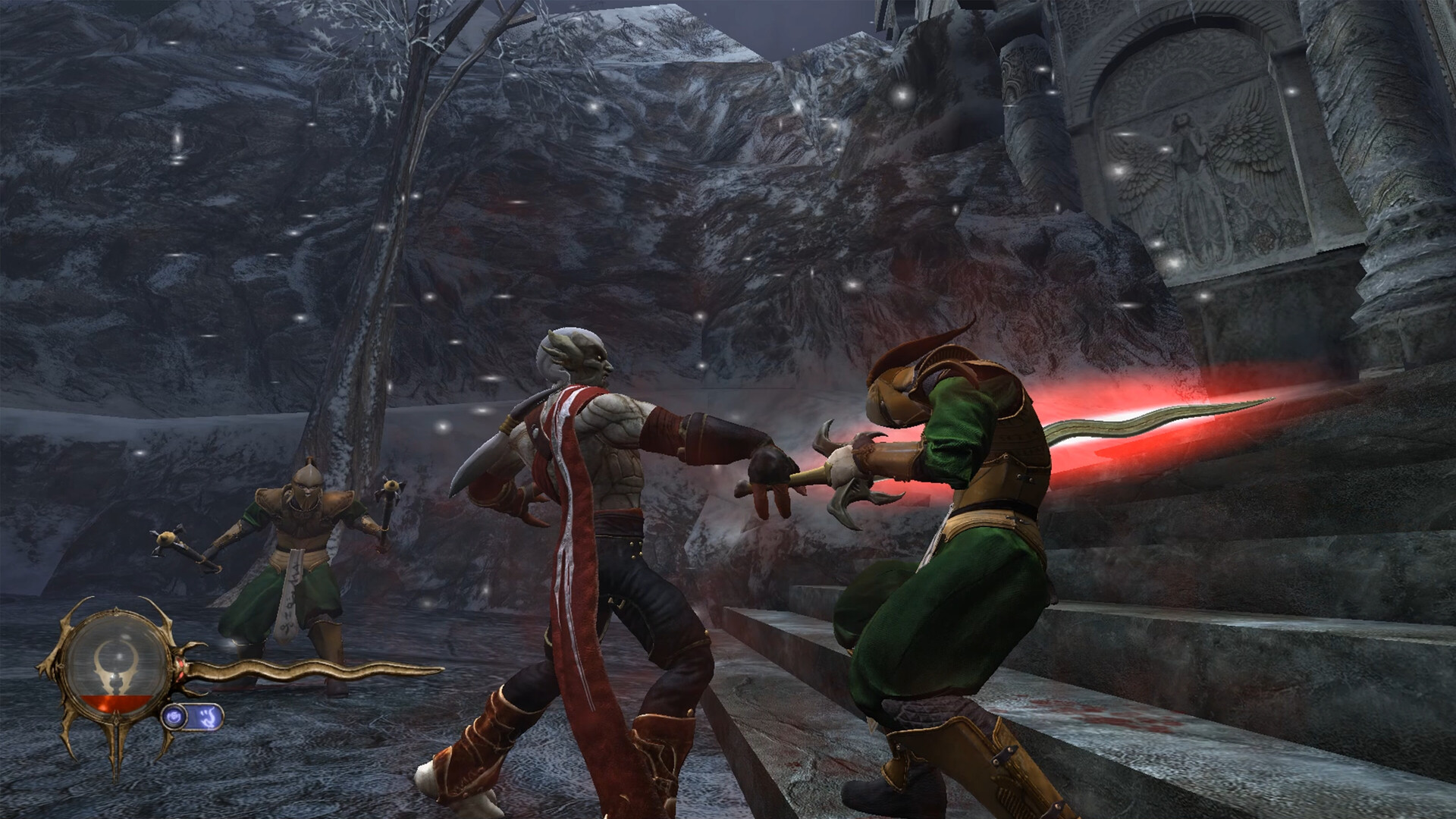
This is probably where Legacy of Kain: Defiance Remastered shows its age most frankly. The duo structure still works, with a more offensive and frontal Kain, while Raziel brings more mobility, manipulation and puzzle solving. This alternation gives the game real depth, because it avoids reducing the entire progression to a single logic of action. It also recalls what Defiance sought to be from the beginning: an action adventure where the narrative matters as much as the way you cross its ruins, its sanctuaries and its traps.
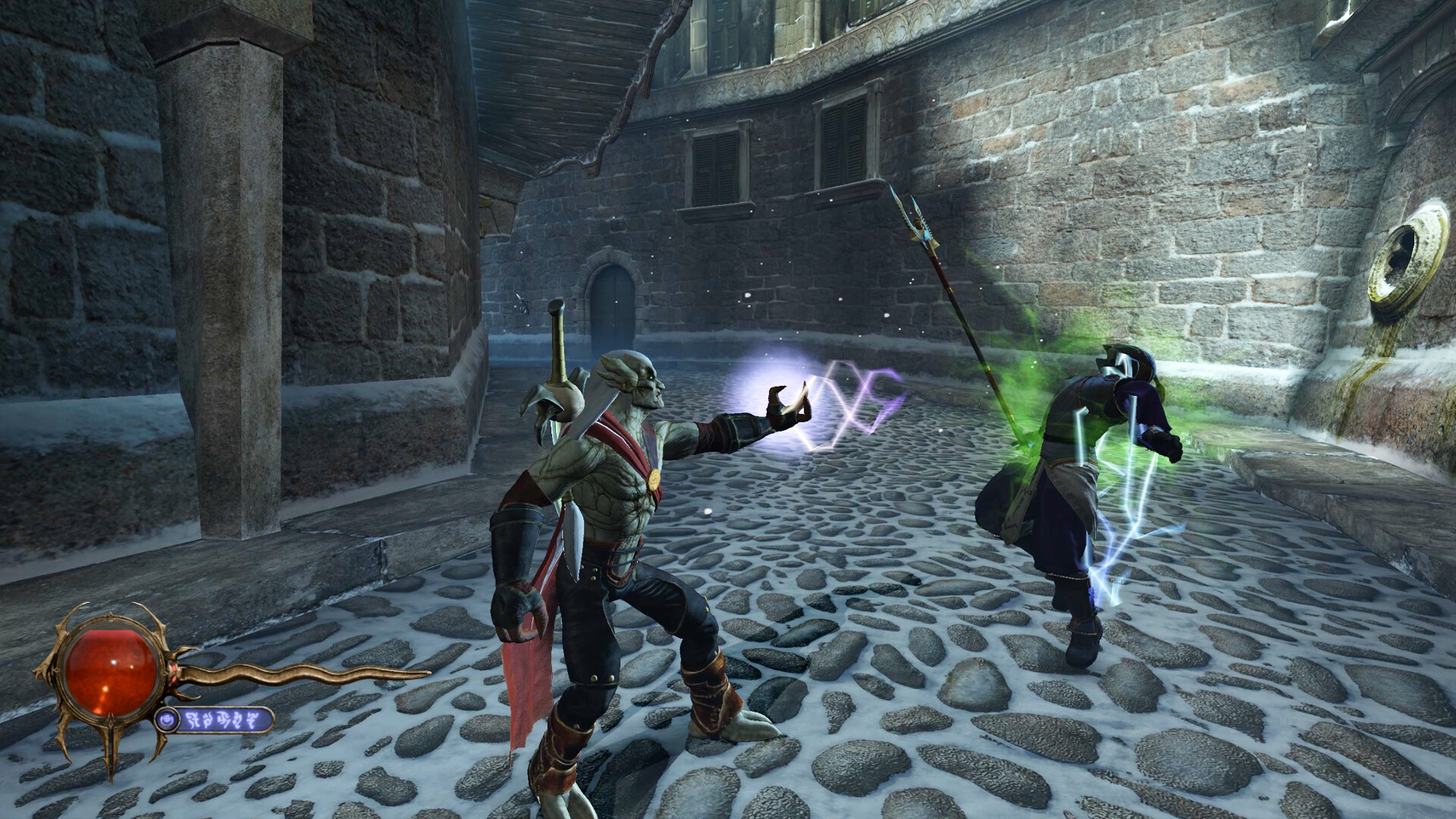
The best idea of this remastering is obviously its modernized camera. Crystal Dynamics still allows you to return to the original camera, but the new free view really changes the readability of the whole thing. The clashes are easier to read, the movements are less constrained, and many sequences which previously involved the fight against the angle of view finally become simply playable. This is a concrete gain, undoubtedly even the most important of this remastered version, because it makes the game more enjoyable without pretending to forcefully rewrite it.
However, this is not enough to mask the limits of a combat system which remains very repetitive. Yes, the shots go off better, yes, the whole thing is more comfortable; but Defiance retains that slightly heavy melee feel, with clashes that end up looping and enemies that often serve more to slow down progress than to create real tactical tension. The game remains more enjoyable than at the time on this point, but it never becomes a great action game. Above all, it presents what it already was more clearly, with its strengths and rigidities.
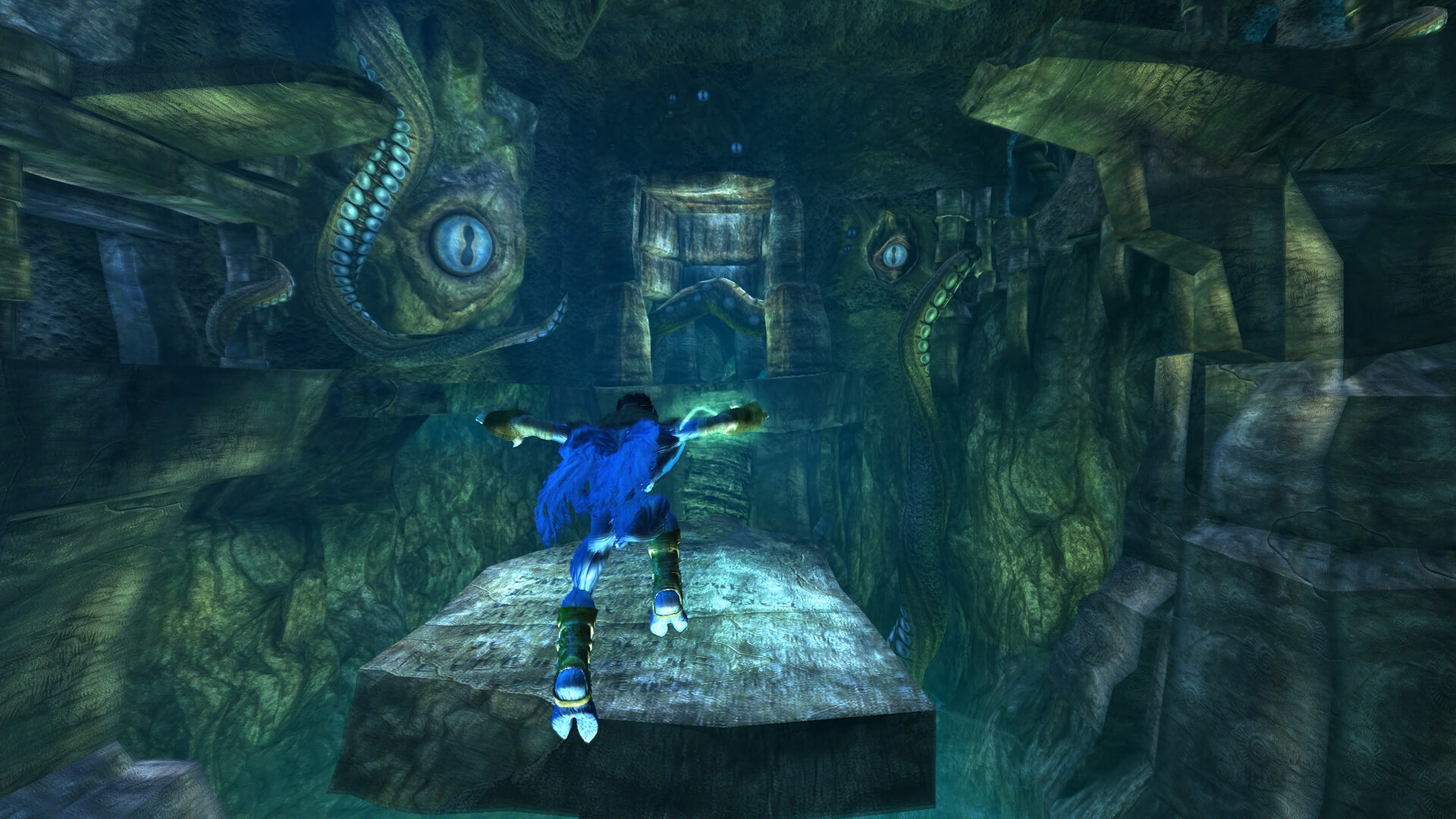
The level design, for its part, goes the distance better when it focuses on its puzzles and its spaces to read rather than simply cleaning. Raziel’s sequences remain the most interesting, especially when they exploit his own skills and this more cerebral logic of progression which still distinguishes the series. Conversely, the passages more focused on the pure platform or on certain more mechanical sequences show the years much more heavily. The remastering improves comfort, but it cannot transform into force what was already a more difficult design in the original game.
Legacy of Kain: Defiance Remastered succeeds above all in making its gameplay more acceptable than in making it truly modern. And that’s already a lot. The work done on the camera, the controls and the general comfort finally allows you to return to Defiance without having to fight against it every moment. But this resurrection remains faithful until the end to the material of 2003, with all that this implies of friction, repetition and stiffness. It’s an old body carefully put back together, not a total reconstruction.
A remaster that illuminates as much as it exposes
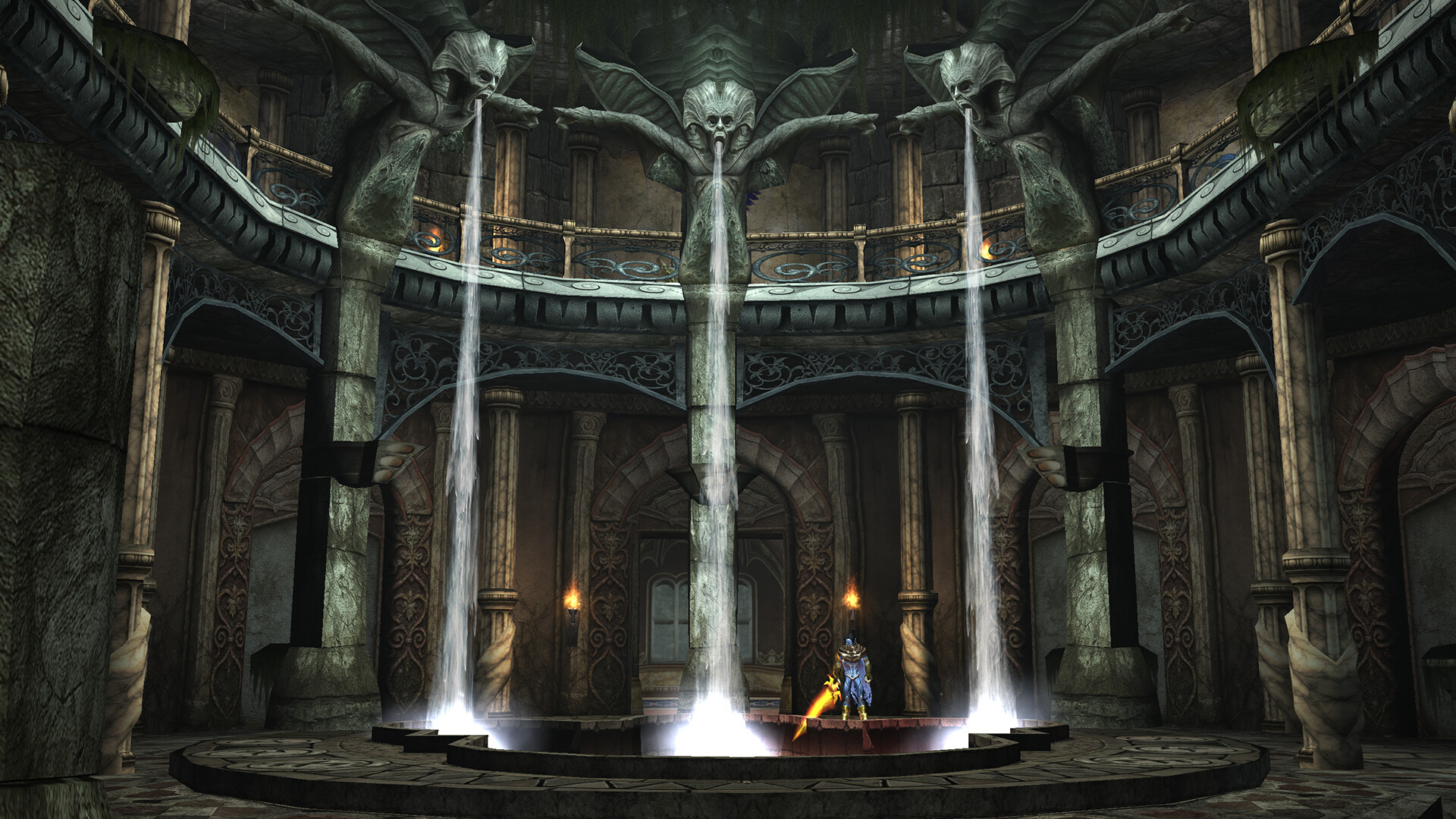
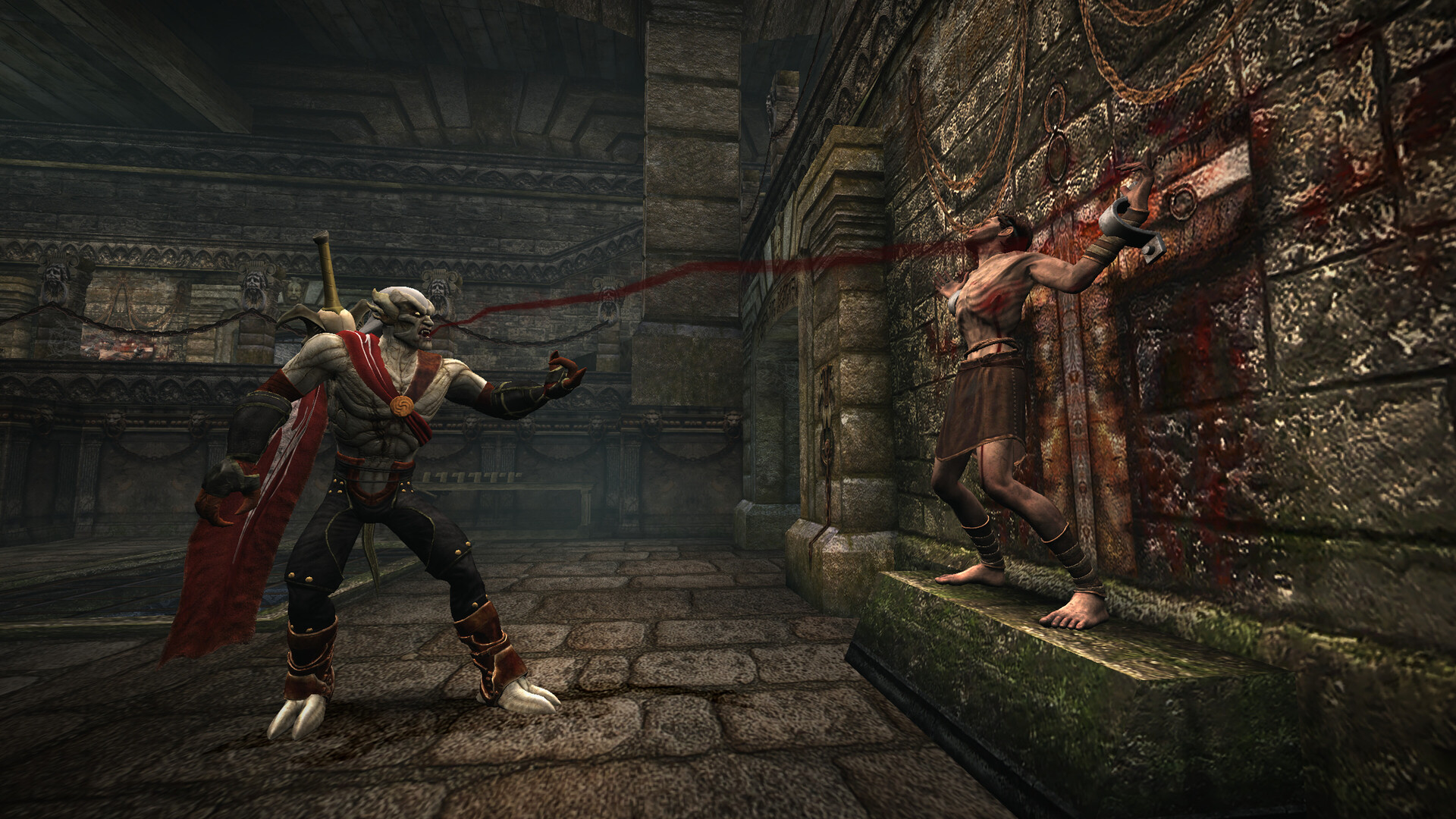
Visually, Legacy of Kain: Defiance Remastered does exactly what one would expect from a job of this type. Crystal Dynamics has revised the models, textures, environments and allows you to switch between the classic display and the new presentation at any time. On paper, this is difficult to dispute. In practice, the result is more nuanced. Yes, Nosgoth gains in sharpness, readability and sometimes even presence. But this update never completely erases the framework of 2003. On the contrary, it often emphasizes it, with this very visible gap between more detailed textures and geometry which remains deeply dated.
This is also where the remaster finds its clearest limit. Certain scenes clearly benefit from this dusting, especially when it comes to restoring relief to the silhouettes of Kain, Raziel or the large sets of Nosgoth. But others lose a little of their mystery. The new light has a tendency to show too much, to lighten up spaces which were living from their darkness, and the whole then seems less inhabited, less disturbing, almost a little flatter than in its original version. The fact of being able to instantly return to the classic rendering is therefore not a gadget. It’s almost a confession, and also one of the best ideas of this remastering.
Where the game retains real authority, however, is in everything related to sound. The voices of Kain and Raziel have lost none of their strength. They always carry this mixture of dark nobility, tension and theatricality which gives the series its very particular flavor. Even when the gameplay shows the years, even when the visual design hesitates between modernization and betrayal, the dubbing continues to hold everything at arm’s length. This is undoubtedly what allows the game to maintain such a presence. It is enough to hear these exchanges to immediately find what Legacy of Kain has always been most unique about.
The music and sound design accompany this return with more consistency than brilliance. They support the atmosphere, give scale to the clashes and reinforce the darkness of the universe, without necessarily seeking to reinvent themselves. It is not the most transformed part of the remaster, nor the one which impresses the most head-on, but it remains solid enough to remind us that Defiance was also based on a strong sensory foundation.
Additions that finally serve the return
Beyond simple visual smoothing, Legacy of Kain: Defiance Remastered has the intelligence to add some tools that make the return to Nosgoth more comfortable and more coherent. The photo mode remains anecdotal on the scale of the game, but the lore reader, the clearer maps, the alternative appearances and the new ring menu have a much more concrete use. These are not gimmicks put on to dress up the cover. These are additions that seek to better support a dense, stiff game; and which has always required a real reading effort from the player.
The lore reader also deserves special attention. For a series so loaded with prophecies, lineages, betrayals and ramifications, offering a tool capable of restoring some order to this matter is nothing incidental. This doesn’t make Defiance the ideal entry point for newcomers, but it at least avoids leaving its entire mythology locked away in its cult memory alone. This new feature does not simplify the game. It simply makes it a little less hostile.
Restored content plays an even more interesting role. The lost levels, new elements and archive bonuses give this remastering a heritage function that many remasters claim without ever really assuming it. Here, Crystal Dynamics isn’t just putting the game back into circulation. The studio also shows fragments of what could have been, of what was cut, moved or abandoned. For a saga so marked by aborted projects and interrupted paths, this gesture makes sense.
We can always object that all this remains peripheral in the face of the very concrete limits of the gameplay or the original structure. It’s true. But these new features at least have the merit of not betraying the nature of the game. They do not claim to reinvent Defiance. They frame it better, explain it better, and give it an editorial depth that this return greatly deserved. At this level, remastering does more than revive a memory. It finally begins to treat Legacy of Kain as a work that must also be preserved.
Verdict
A return that is first and foremost worth its heritage
7/10
Legacy of Kain: Defiance Remastered does not radically transform Defiance, and that is perhaps what saves it as much as what limits it. The remaster improves comfort, modernizes the camera, adds useful bonuses and restores readability to an episode that needed it, without ever making the stiffness of its action or the rigidity of its original structure disappear.
But the main thing is not there. The main thing is that this version allows us to rediscover what Legacy of Kain has always had that was rarest: a voice, a darkness, a tragic scale that time has not really dulled. The game remains rough, sometimes even frankly dated; but it retains a presence that many smoother remasters don't have. It's not a total rebirth. It is the awakening worthy of an old myth which still refuses to die.
Pros
- Writing and dubbing that retain a rare strength
- A remastering that really improves comfort
- Bonuses and tools that finally give context to the return
- All the tragic darkness of Nosgoth still intact
Cons
- Gameplay that remains repetitive despite adjustments
- A structure whose age remains very apparent
- A visual remastering that sometimes exposes more than it sublimates
- A fairly steep entry point for newcomers
More in Video games
Full library 8/10
Onimusha: Way of the Sword
XBOX 7.5/10
The Lord of the Rings: War in the North – Legacy Edition
XBOX 5/10
Disgaea Mayhem
SWITCH 9.5/10
Assassin’s Creed Black Flag Resynced
XBOX 5.5/10
Tale of Dark Lands
SWITCH 9/10
007 First Light
XBOX 8/10
Realm of Ink
SWITCH 7/10
Ariana and the Elder Codex
SWITCH 6.5/10
Kingdom’s Return: Time-Eating Fruit and the Ancient Monster
SWITCH 9/10