
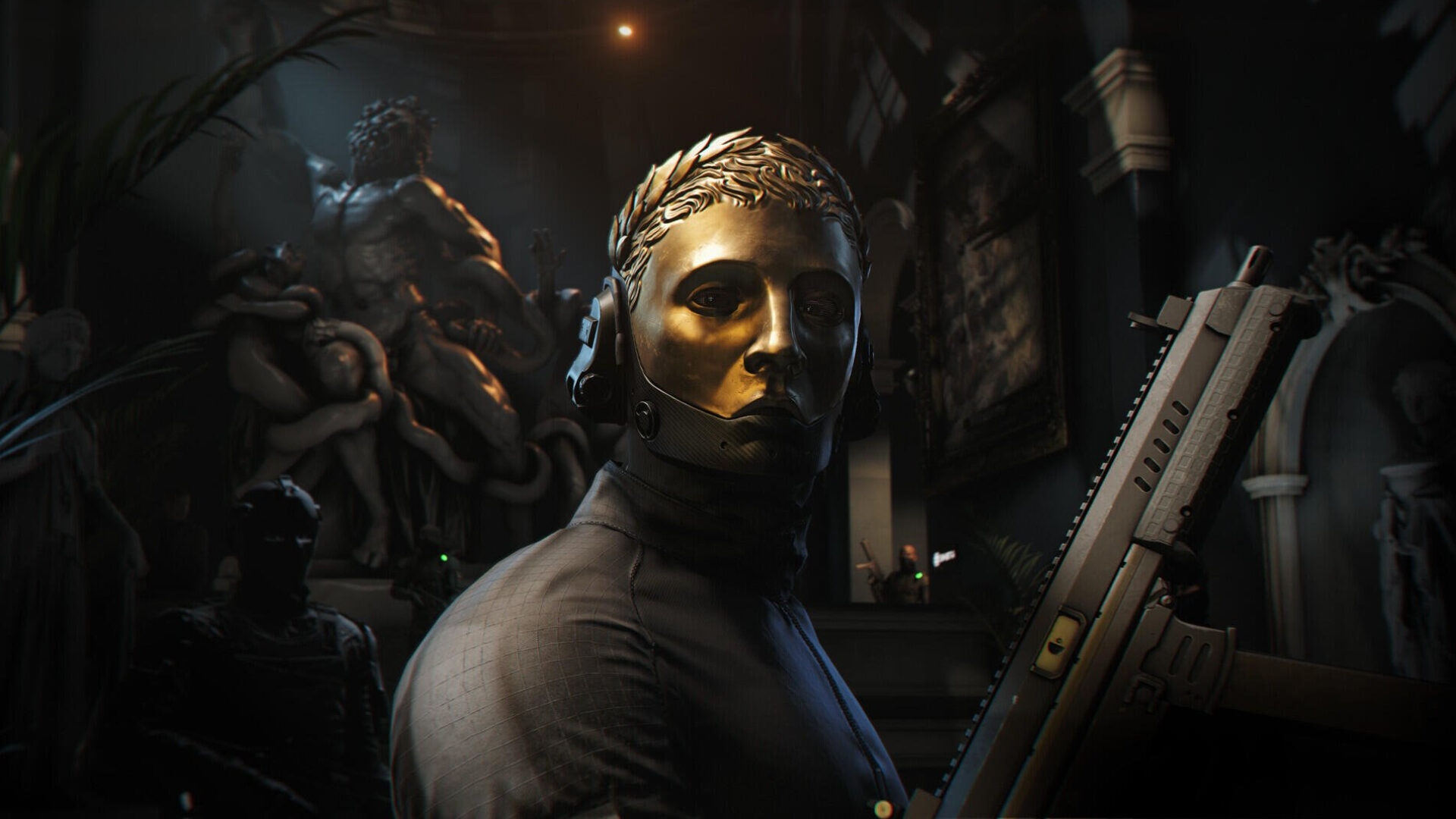
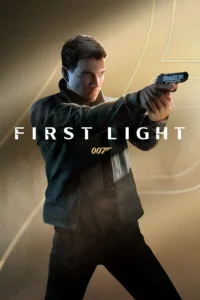
007 First Light
The flame that forges 007
Score: 9/10
Images and videos
At a glance
We liked
- A true origin story for James Bond, consistent with the myth but anchored in a credible contemporary context.
- An action-espionage system that combines observation, gadgets, infiltration and confrontation without favoring a single style.
- Varied missions, with notable locations, which leave the player in control even in large spectacular sequences.
- MI6 used as a real place of life and progression, giving depth to M, Q, Moneypenny and Greenway.
We liked less
- Social infiltration and use of disguises less central than one might hope.
- Sometimes poorly placed checkpoints, which make stealth runs more difficult.
- Quality mode at 30 fps less comfortable during the busiest scenes; absence of 60 fps option on Series S.
- Heavy reliance on scripted sequences
 By Farrel Grimwood · published · 8 min read
Contents
007 First Light has a dual mission: to restore James Bond to a video game presence worthy of the name, and to prove that IO Interactive knows how to do something other than a simple variation of Hitman. The result is an action-espionage game that embraces a strongly directed narrative, but which leaves enough latitude to the player so that we have the feeling of building our own Bond, at the crossroads of the improvising brute and the methodical agent.
On Xbox Series, this ambition is carried by a Glacier engine particularly at ease in large environments, crowds and destruction effects, with two very distinct display modes and stability work which places the Microsoft version among the most comfortable at the moment. One thing is clear: First Light is neither a pure infiltration sandbox nor a simple interactive film; it is a deliberate compromise between the two, with all the advantages and limitations that this implies.
A Bond without a number, but already dangerous
First Light focuses on a moment that the franchise has explored very little: before 007, when James Bond is still just a member of the Royal Navy crew, 26 years old, disobedient and too sure of himself. During a mission in Iceland, an unexpected act of bravery propels him onto the radar of MI6, which has just relaunched Program 00, an elite section long left dormant.
The campaign then follows the logical progression: accelerated training, joining a cohort of young recruits, then first operations in the service of an England which is playing with its own political stability. The visible enemy is called 009, an agent turned renegade that Bond must find, but the game focuses just as much on the gray areas: a conspiracy at the heart of the State, a mentor who carries his share of secrets, a hierarchy that tests loyalty as much as efficiency.
The screenplay allows for breathing space that doesn’t always exist in cinema: moments of camaraderie between recruits, training sessions that tell as much about the characters as the mechanics, long discussions in the corridors of MI6 where we understand that Bond is not just a spy but a young man in the process of developing himself. This choice to linger on the slow creation of the character works: we leave First Light with a clear vision of the Bond that IO imagines, without betraying the literary and filmic DNA of the hero.
The main campaign is structured into eleven chapters, prologue included, for a playing time which varies between a dozen and around twenty hours depending on the level of difficulty and the degree of exploration. By aiming only at the main line, an experienced player can be at the bottom of this range, while a more contemplative pace (exploration of areas, listening to conversations, more discreet resolution of objectives) brings you closer to the upper limit.
Full completion extends the experience to around thirty hours, especially if we add the TacSim missions and replaying chapters with modifiers. These post-campaign variants make it possible to revisit environments under constraints: limited time, restricted gadgets, additional objectives, which highlights the problem-solving dimension more than the simple spectacle.
This structure has a downside: the management of checkpoints is restrictive. Going back to correct a failed plan sometimes involves going through a previously seen dialogue or platform sequence, which is tiring in the long run, especially for players who seek perfect stealth and keep repeating attempts.
Third-person spying
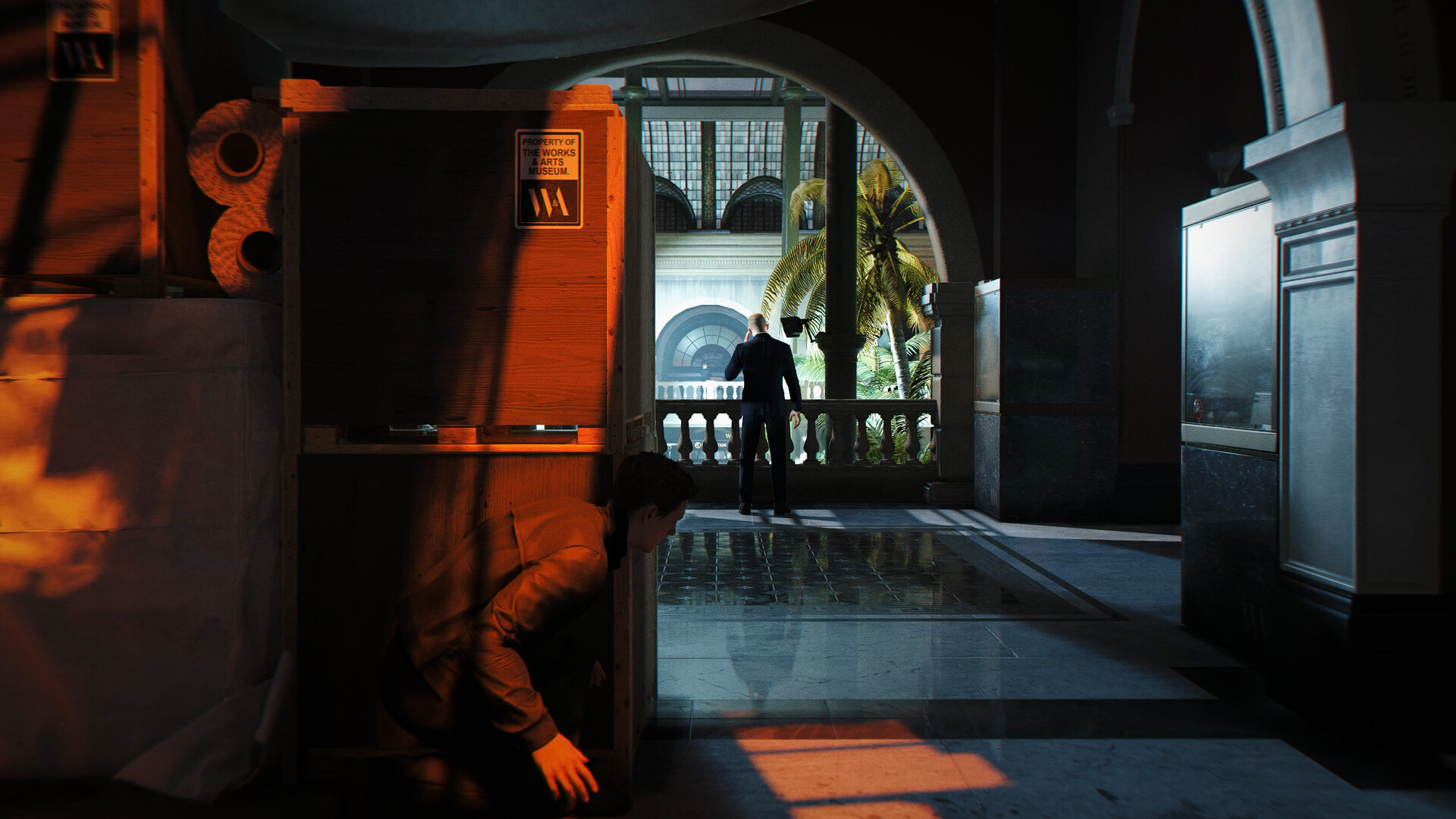
The framework of the game is that of a third-person action-adventure which has four pillars: observation, rapid decisions, gadgets and alternation between stealth and open confrontation. Each mission begins with a phase of analysis of the setting: crowds, patrols, conversations, cameras, locked doors, points of interest are arranged to encourage listening and tracking trajectories rather than head-on rush.
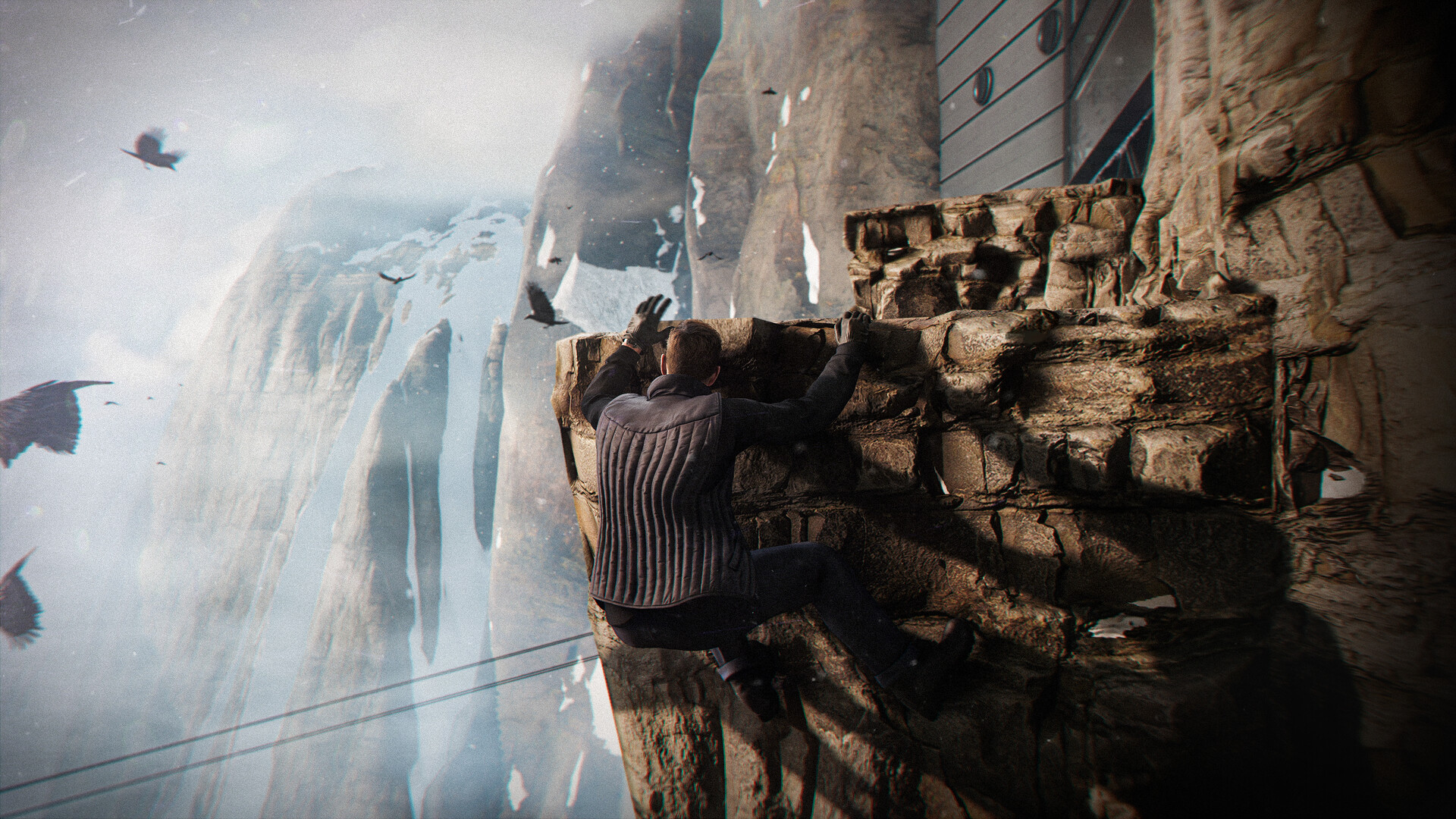
The game emphasizes Bond’s instincts: it’s as much about spotting a discreet detour as it is about perceiving a social opening: a distracted guard, a discussion that reveals a password, a secondary character ready to bring you into a more closed circle if you adopt the right tone. Most objectives can be achieved by several paths: pure infiltration through roofs and conduits, social infiltration by bluffing one’s identity and using charm, or brutal resolution by assuming confrontation; with consequences on the positioning of reinforcements, equipment and sometimes the tone of certain subsequent scenes.
It is not a total sand-box freedom: the spaces remain marked, the objectives clearly indicated, and the variables actually modified by the player remain relatively targeted. On the other hand, within this framework, there is sufficient room for maneuver so that no two approaches to the same mission are alike, especially when we begin to master the patrol timings and the possible uses of the setting.
Q’s toolbox
Q is more than a familiar fixture of Bond lore here: his presence truly structures the game. Before each mission, Bond goes to the laboratory to choose from a range of tools: watch equipped with a laser, pen for hacking devices, lighter capable of causing distractions, telephone and earpieces used as much for communication as for discreet spying on conversations.
These objects are designed to present a situation from several angles. A malfunctioning photocopier can become a trap by attracting a guard who is then neutralized, a lock can yield to a silent break-in or a more risky hack, a camera can be diverted rather than simply deactivated to direct attention elsewhere.
The game does not go as far as the systemic simulation of an immersive sim, but it goes well beyond the purely cosmetic gadget: we regularly find ourselves rethinking an area from the angle of “what can I do with what I have on me?”. This dimension is reinforced by a TacSim mode which is unlocked after the end of the campaign: shorter missions, explicit in their constraints, designed to fully exploit observation, gadgets and the search for creative solutions, with strong replayability.
Missions designed like films
First Light fully assumes the cinematic structure: prologue, training, build-up, big plot, last act. We cross icy Iceland, the Carpathian mountains, the black markets of Aleph, a luxurious hotel-paradise retreat and several places that explicitly play the dangerous postcard card: it is a world tour that ticks off the franchise’s familiar fantasies, but with particular attention to the credibility of the spaces.
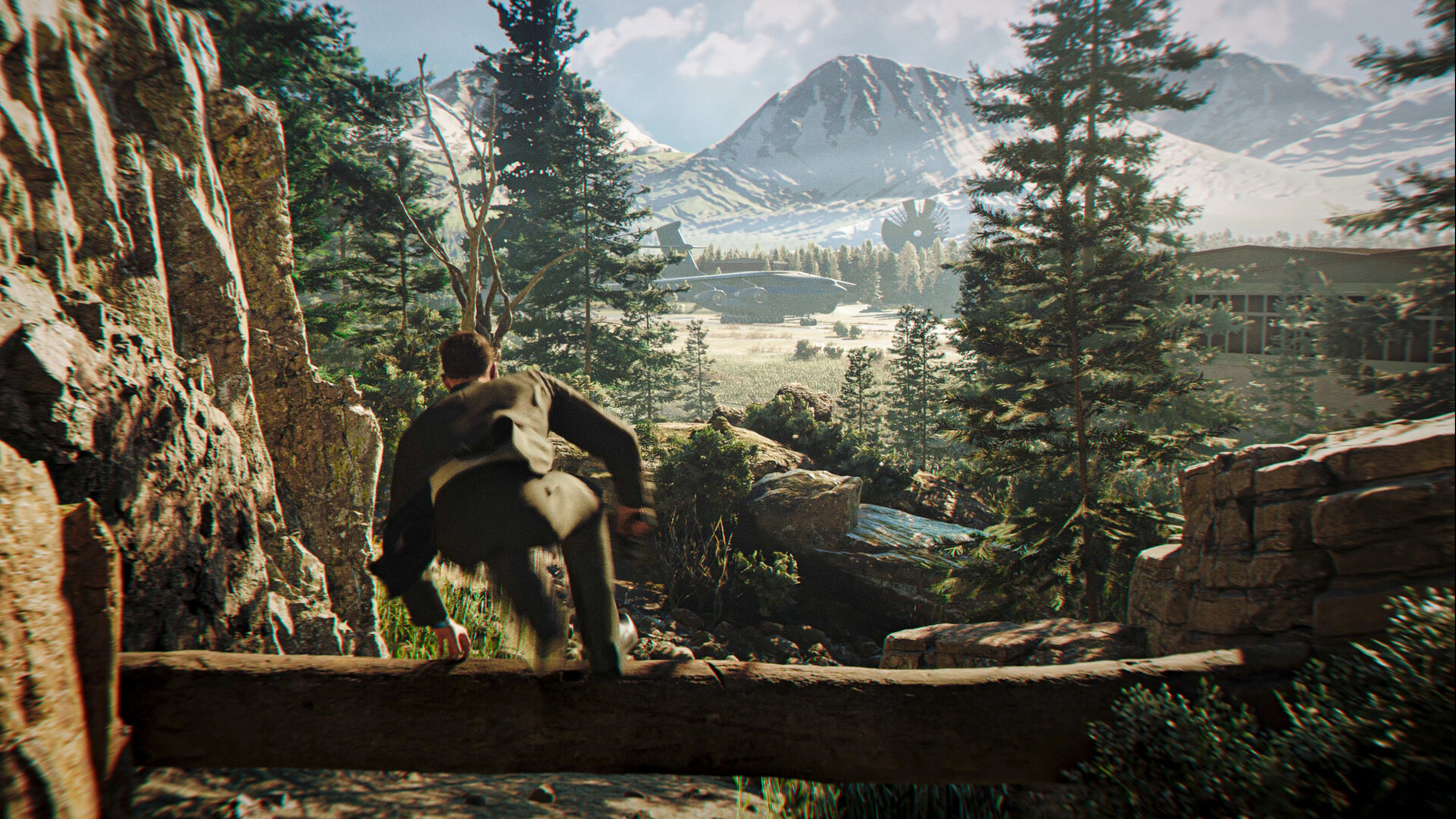
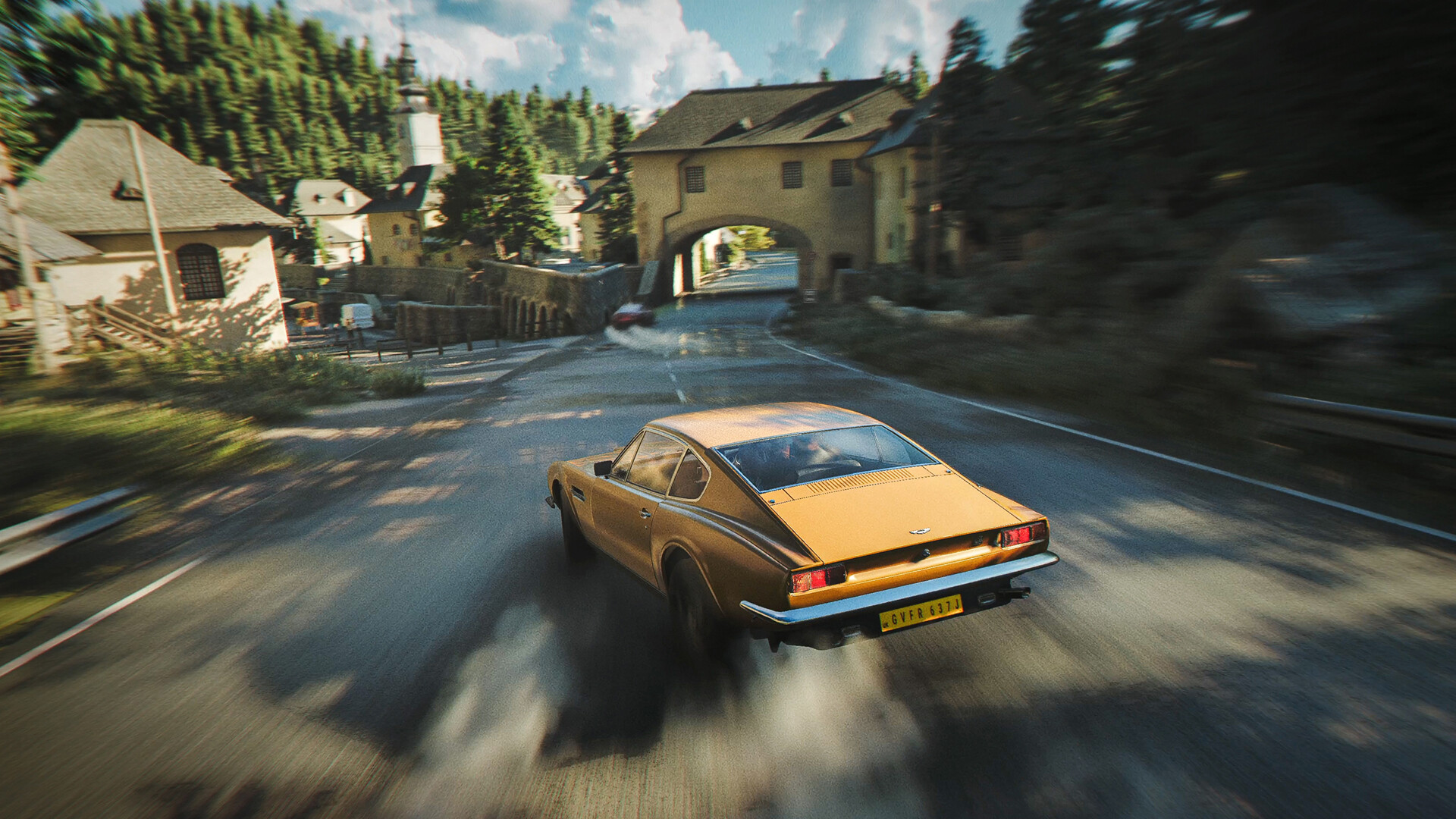
One of the greatest qualities of the game is not to systematically cut to black as soon as the staging becomes ambitious. Where many interactive blockbusters entrust large scene entrances and spectacular transitions to pure cinematics, First Light often lets the player drive the camera: arrival by car which discovers a Slovak castle around a bend, training sequence which alternates racing, shooting and infiltration without relinquishing control.
This approach, however, has a price: the linearity remains strong, the scripts greatly condition the way in which a sequence can unfold, and certain passages impose a very precise tempo, under penalty of being sent back to a checkpoint quite far back. But it avoids this feeling of being a spectator: even in the major moments of editing, we have the impression of participating in the construction of the sequence, in a way that is certainly framed but tangible.
Combat and stealth: a deliberate balance
In terms of combat, IO Interactive assumes a Bond that is more physical than cerebral: a brawler who uses the setting whenever possible. The melee is based on a fairly simple reading, but the animations and the way in which the engine simulates impacts (projection against a table, use of a cup or a keyboard as an improvised weapon) give a very convincing density to the close confrontations.
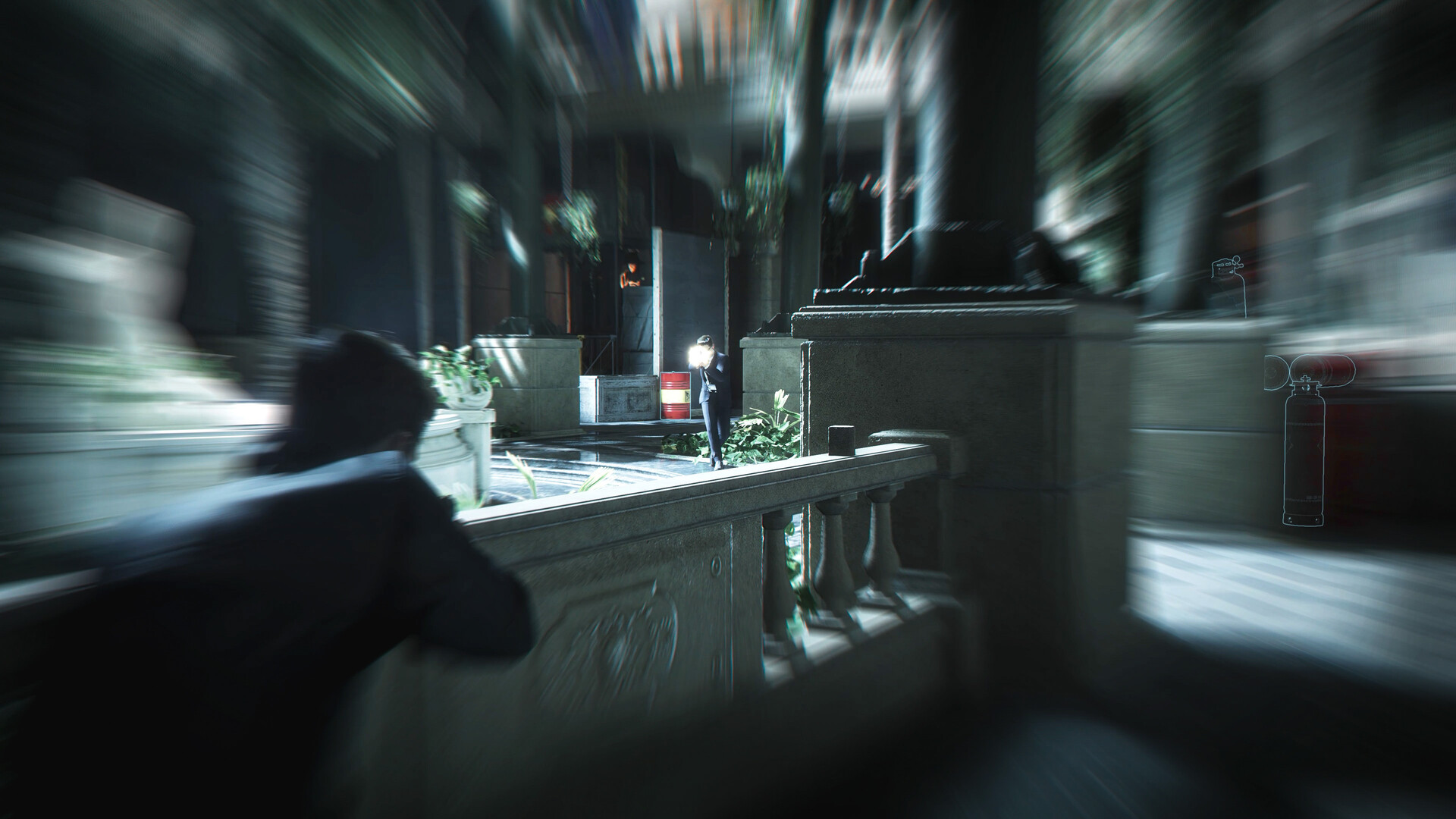
The exchanges of fire are deliberately more noisy than tactical: fuel-tank explosions, footbridges collapsing, structures giving way, red elements just waiting for a shot to trigger a chain reaction. We quickly understand that the game prefers to reward intelligent use of the setting rather than the precision of a perfect shot: triggering a collapse rather than methodically managing each opponent is often the solution planned and desired by the developers.
Stealth comes into play beforehand: observation of vision cones, crouching movements, silent eliminations, hacking of devices to divert attention. But it is never thought of as an absolute: the game is built to accept, even integrate, the switch to open action if a plan goes wrong, which clearly distinguishes it from Hitman where the alert often triggers a feeling of systemic failure.
MI6 as the backbone of the story
Between missions, MI6 is not just a menu in disguise. We regularly meet M, Q, Moneypenny and the other recruits of the 00 program; we witness snippets of the internal life of the agency, discussions which do not always have a direct link with the next operation, and the evolution of the institution’s view of Bond.
This choice to physically return to headquarters anchors the progression in a place that we get to know: corridors, offices, briefing rooms become familiar, and each return carries a little more context on the human and political cost of the last mission. A scene as simple as learning to tie a bow tie, taken seriously, tells more about the construction of the icon than many speeches; it is this type of detail that gives the feeling of truly witnessing the birth of a character.
This dimension is also reflected in the mechanics: it is by returning to MI6 that we access new gadgets, that we unlock variants of approach and that we prepare certain choices which will have an impact on the following chapters. The game does not push towards a complex RPG structure, but we are clearly moving away from the “mission – score screen – mission” pattern for something that looks more like a season of a series.
Two display philosophies
On Xbox Series, 007 First Light offers two modes: a Performance mode targeting 60 frames per second, and a Quality mode locked at 30 frames per second with more visual details and an increased internal resolution (1440p, upscaled to 4K). Performance mode is particularly solid, with a frame rate that remains stable in the vast majority of situations, even during the busiest scenes, at the cost of some concessions on shadows and the finesse of certain distant elements.
Quality mode aims for visual demonstration: more generous lighting, increased sharpness of textures, more detail in particle and smoke effects, at the cost of a framerate limited to 30 frames per second with some occasional drops during very spectacular scenes. For a game that mixes infiltration and action, Performance mode is clearly essential if you prefer the feeling of control, but Quality mode will convince those who prefer the pure cinematic experience.
On Xbox Series S, on the other hand, the compromise is clearer: the console only offers a 30 frames per second mode, with no performance option, the available memory limiting the studio’s ambitions. Visually, the version remains very honorable, but we more often feel the limits: certain scenes lose precision, and the absence of 60 frames per second is felt in the most dynamic sequences, in particular during close-up fights and chases.
Verdict
When IO Interactive tames 007
9/10
007 First Light is, in many ways, the James Bond game that the franchise has been waiting for decades. IO Interactive applies everything it learned from Hitman to Bond without simply placing the face of 007 on that of 47; the result is a spy adventure that respects the character's codes while offering him a coherent, modern origin story that is surprisingly intimate at times.
On Xbox Series, the technical solidity, the clarity of the image and the effectiveness of the Performance mode fully highlight the care given to the settings, the crowds and the action sequences, even if we still perceive some structural rigidities: inflexible checkpoints, sometimes under-exploited social infiltration, marked preference for scripted spectacle. These are compromises, not sabotage: as it stands, First Light stands out as a great spy adventure, in the classic sense of the term, which makes you want to see how far IO Interactive will dare to push Bond during his next mission.
Pros
- A true origin story for James Bond, consistent with the myth but anchored in a credible contemporary context.
- An action-espionage system that combines observation, gadgets, infiltration and confrontation without favoring a single style.
- Varied missions, with notable locations, which leave the player in control even in large spectacular sequences.
- MI6 used as a real place of life and progression, giving depth to M, Q, Moneypenny and Greenway.
- Solid performance and very readable image in 60 fps mode on Xbox Series X, which directly serves gameplay.
Cons
- Social infiltration and use of disguises less central than one might hope.
- Sometimes poorly placed checkpoints, which make stealth runs more difficult.
- Quality mode at 30 fps less comfortable during the busiest scenes; absence of 60 fps option on Series S.
- Heavy reliance on scripted sequences
More in Video games
Full library 8/10
Onimusha: Way of the Sword
XBOX 7.5/10
The Lord of the Rings: War in the North – Legacy Edition
XBOX 5/10
Disgaea Mayhem
SWITCH 9.5/10
Assassin’s Creed Black Flag Resynced
XBOX 5.5/10
Tale of Dark Lands
SWITCH 8/10
Realm of Ink
SWITCH 7/10
Ariana and the Elder Codex
SWITCH 6.5/10
Kingdom’s Return: Time-Eating Fruit and the Ancient Monster
SWITCH 9/10
PRAGMATA
SERIES 7/10