
Monster Crown: Sin Eater
A sequel that finally has teeth
Score: 8/10
Images and videos
At a glance
We liked
- A very rich crossbreeding and fusion system
- A darker tone and real work on the lore
- Very advanced team customization
- Really neat retro pixel art
We liked less
- An open world sometimes too poorly guided
- A balancing that relaxes at times
- A very irregular narrative rhythm
- In English only
 By Farrel Grimwood · published · 5 min read
Contents
With Monster Crown: Sin Eater, Studio Aurum takes up the legacy of a first episode which had ideas, but not always the resources to see them through. This sequel arrives on April 30, 2026 on Xbox Series X|S, with a fairly clear ambition: keep what made Monster Crown unique, then finally give it a more solid execution.
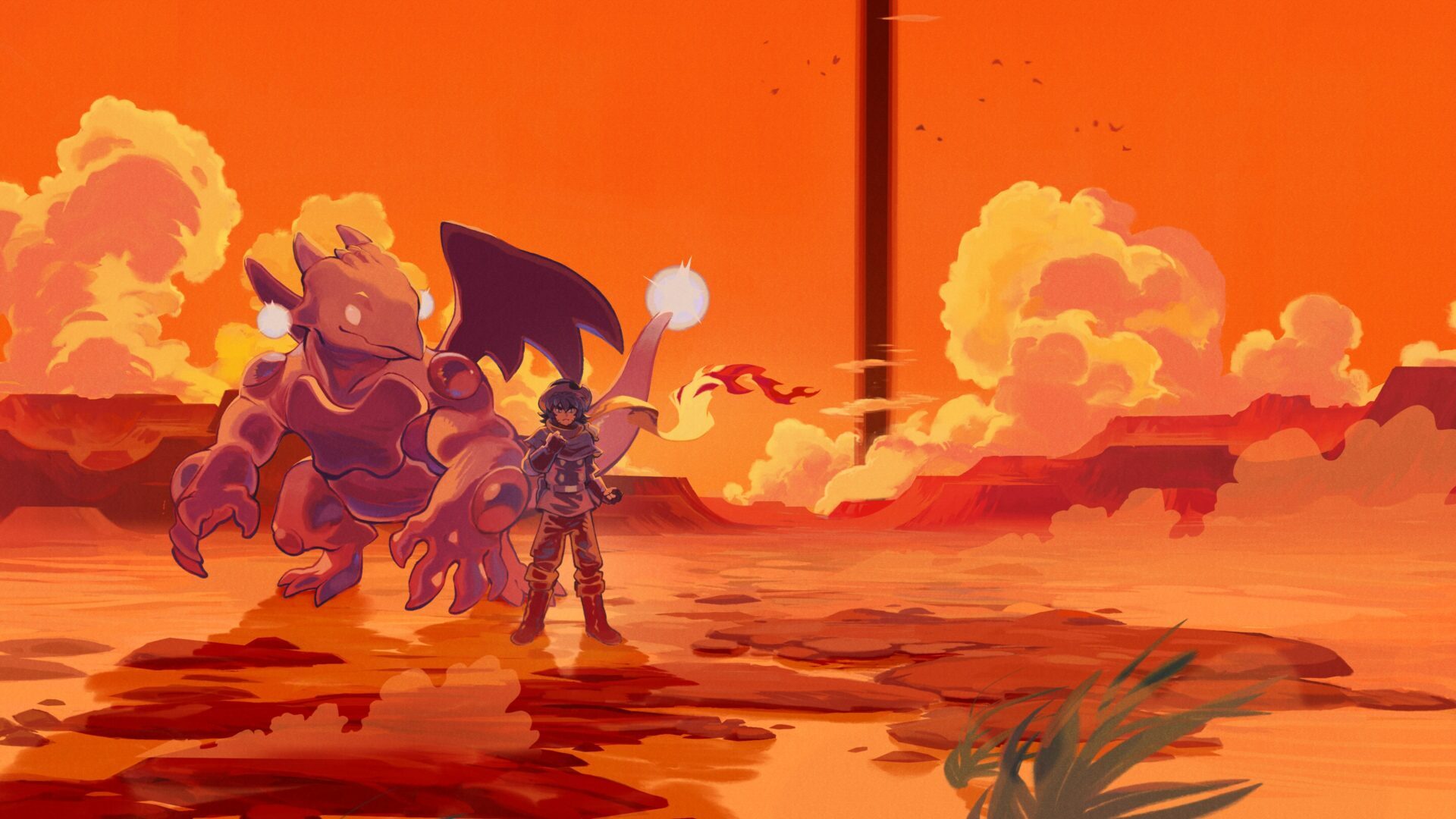
The game presents Asur, a young farm boy fascinated by monster training, who sees his life turned upside down when his family finds itself threatened and his brother Dyeus disappears. From there, the title unfolds a turn-based capture and combat RPG that’s very classic in its structure, but darker than average in its tone, world, and choices.
Nothing very new, one might think. Monsters to recruit, type matchups, fights, exploration, a great initiatory journey. The genre has known this tune for a long time. But Sin Eater has two things going for it. First, real density in customising its team. Then, a fairly clear desire to make its world something other than a simple comfortable adventure setting.
It remains to be seen whether this sequel really manages to go beyond the status of a good retro monster-tamer to become an RPG that matters, or if it remains above all a very generous niche game, but still a little too uneven to reach a wider audience.
A world less innocent than it seems
Monster Crown: Sin Eater plays its first real card through its tone. Where many monster capture games remain in a light adventure, this one pushes more frankly towards a hostile world, crossed by violence, oppression and power relations much less clean than they appear at first glance. The Crown Nation is not a playground.
The game very quickly places Asur face to face with the authority of Taishakuten, its sacred order and a world that functions more by fear than by balance. It’s not a revolutionary story, but it at least has the merit of seeking something other than a simple race for badges. Asur’s journey is also based on alliances, decisions and several branches which give a little more weight to his progress.
This writing is not always perfectly maintained. The rhythm becomes more irregular as the game opens up, and certain parts of the lore arrive in slightly uneven blocks. But there is a real desire to make this world exist other than as a series of cities and arenas. Sin Eater gains a lot from this rougher atmosphere.
Asur also works quite well as an anchor point. He’s not a particularly complex hero, but he has enough presence to carry a tougher than average story. The game also knows how to set up its antagonisms and political tensions better than many of its direct competitors.
Cross, merge, start again
The real heart of the game, however, remains its monster system. On this point, Sin Eater is frankly convincing. Capture still occurs through contracts rather than simple capture items, and the game continues to emphasize the idea of convincing or commanding respect to the opposing creature before it agrees to join the team. It’s a small nuance, but it still helps the universe maintain its identity.
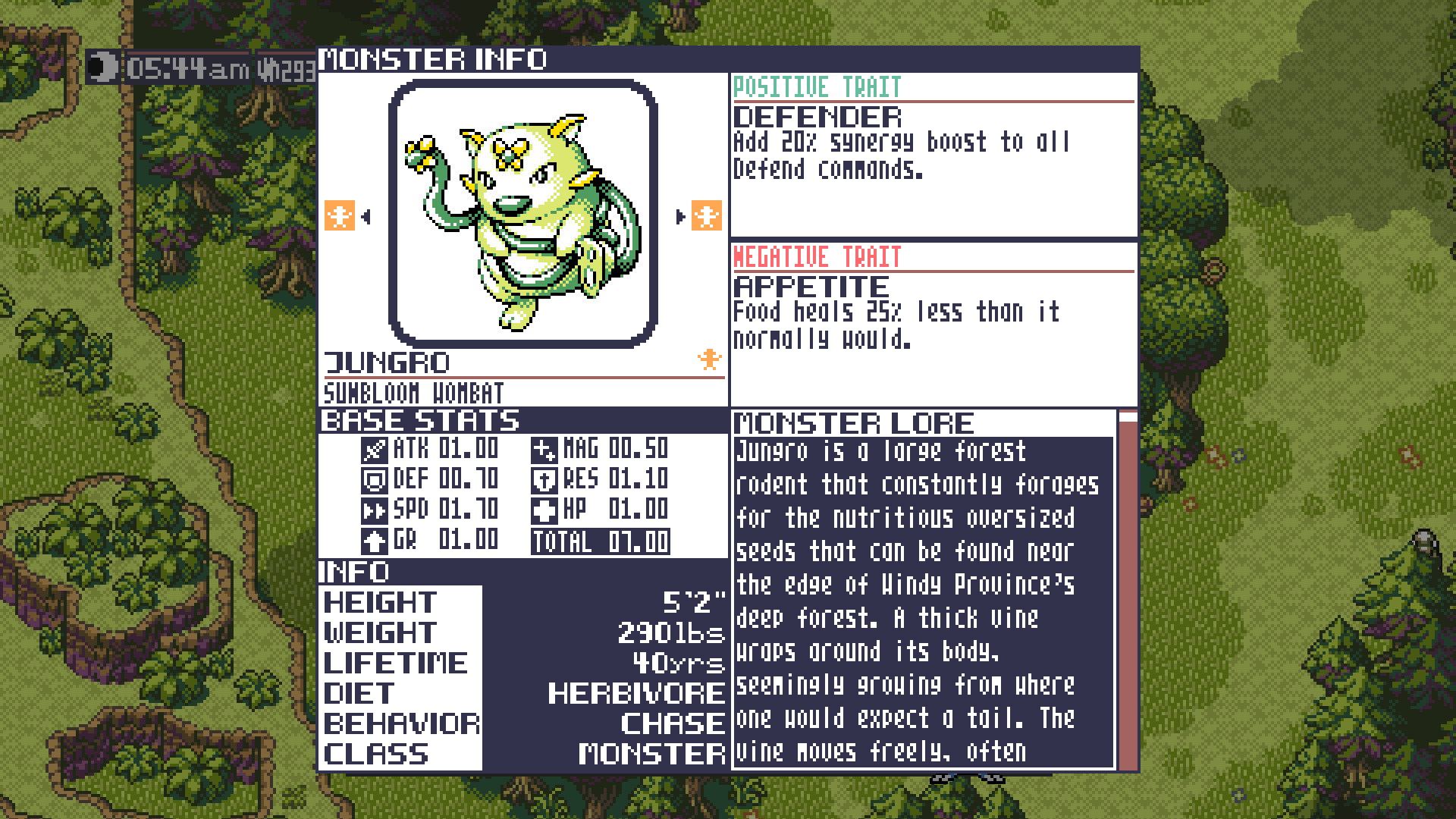
Where the game really gets interesting is in the crossbreeding, merging and transforming. Sin Eater is based on a much more advanced composition logic than average. You don’t just catch monsters and level them up. We cross them, we merge them, we adjust their genes, their traits, their statistics, their abilities, until we create something that finally responds to what we want to play.
This wealth requires a little time to adapt, but it pays off quickly. If you like to tinker with your team, look for synergies and prepare several generations of creatures to achieve a specific result, Sin Eater quickly becomes absorbing. This is probably where it is strongest.
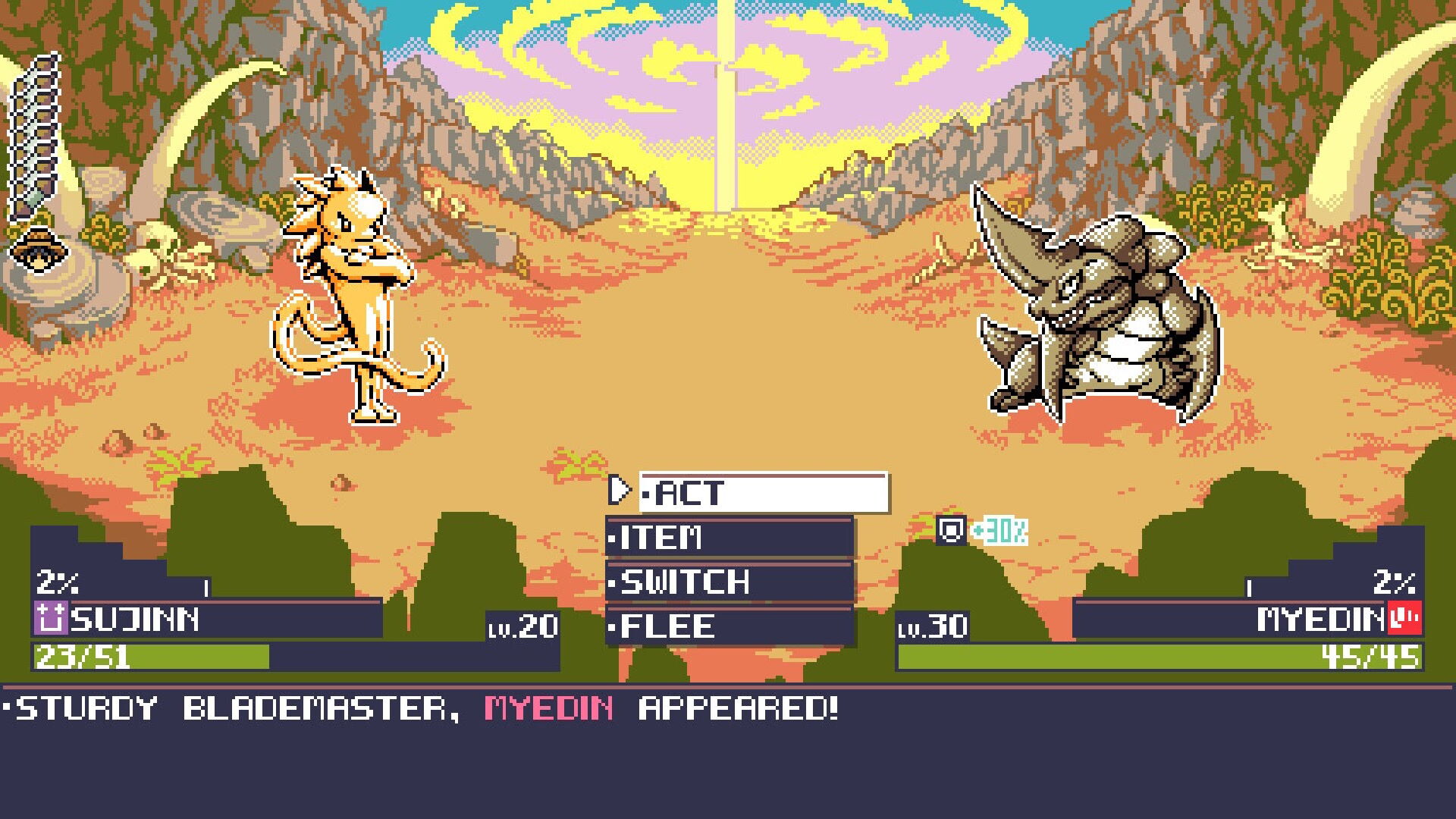
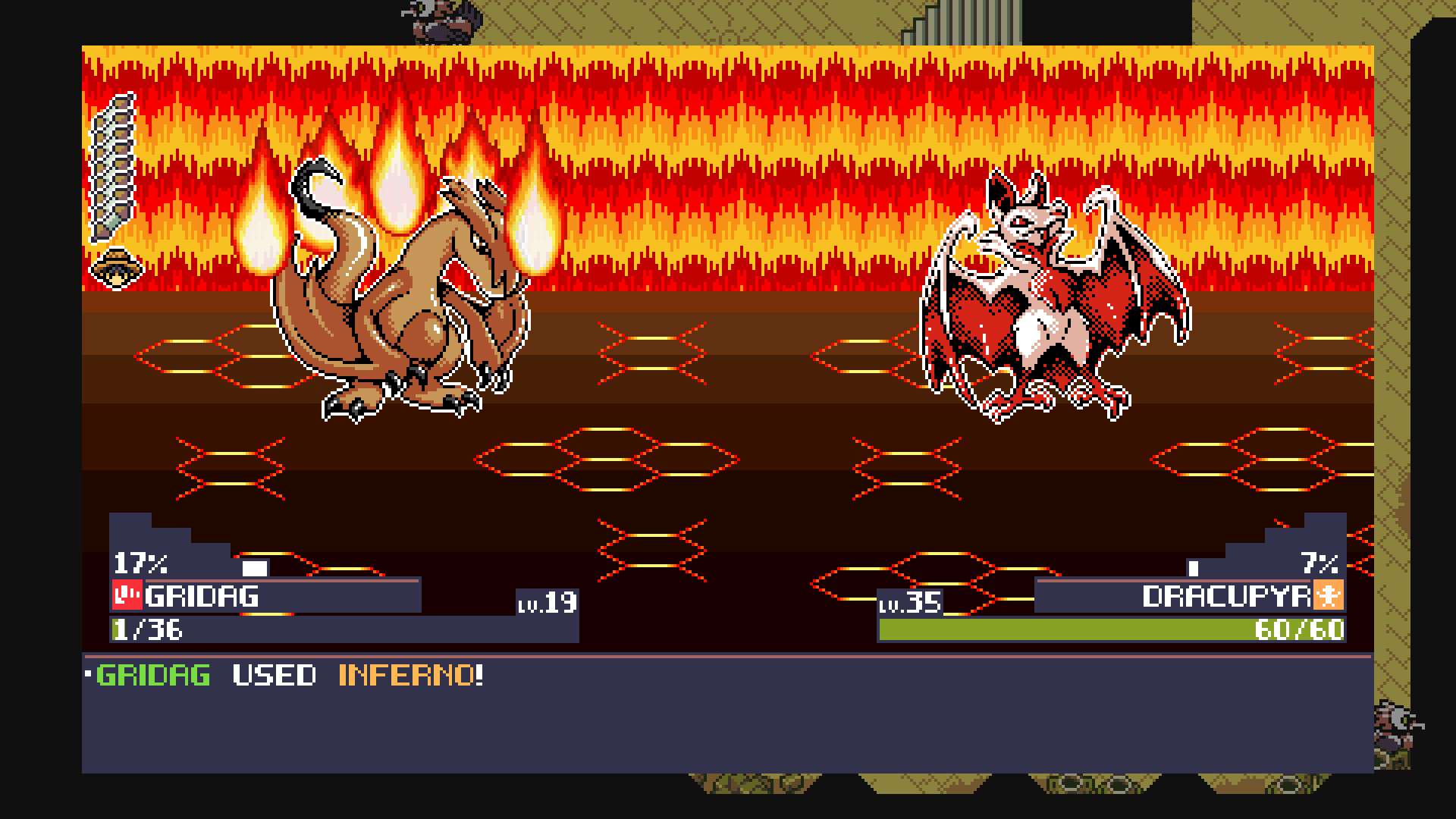
The combat supports this depth well. The type system works, monsters have their own pools of points for moves, and the Synergy gauge adds real tension. Using this resource to “cap off” a well-timed attack gives clashes a little extra freshness. You have to choose when to amplify, when to delay, when to keep something in reserve.
The best compliment that can be paid to the game is undoubtedly this: the more you give it, the more it gives back. The player who takes the time to understand its systems will find much more than a dutiful clone. Sin Eater is not complicated to be serious. It just has substance.
A nice breadth, a few angles still sharp
Still, this scale comes at a price. Once the more structured beginning is over, the game opens up considerably. The intention is good. We feel the desire to let the player choose his pace, his regions, his priorities, his way of growing Asur and his team. But this opening also produces a form of floating.
Sin Eater can sometimes become a little too discreet in the way it guides. Those who like more opaque RPGs will see a quality in this. Others may find themselves feeling like they have to guess where the game wants to take them next. It’s not dramatic, but it breaks the momentum of the adventure at times.
Balancing also suffers from this freedom. By crossing, merging and intelligently building your team, you can end up getting ahead of some of the content. Some encounters maintain real strength, especially in the most important confrontations, but the whole does not always avoid this feeling of power a little too quickly.
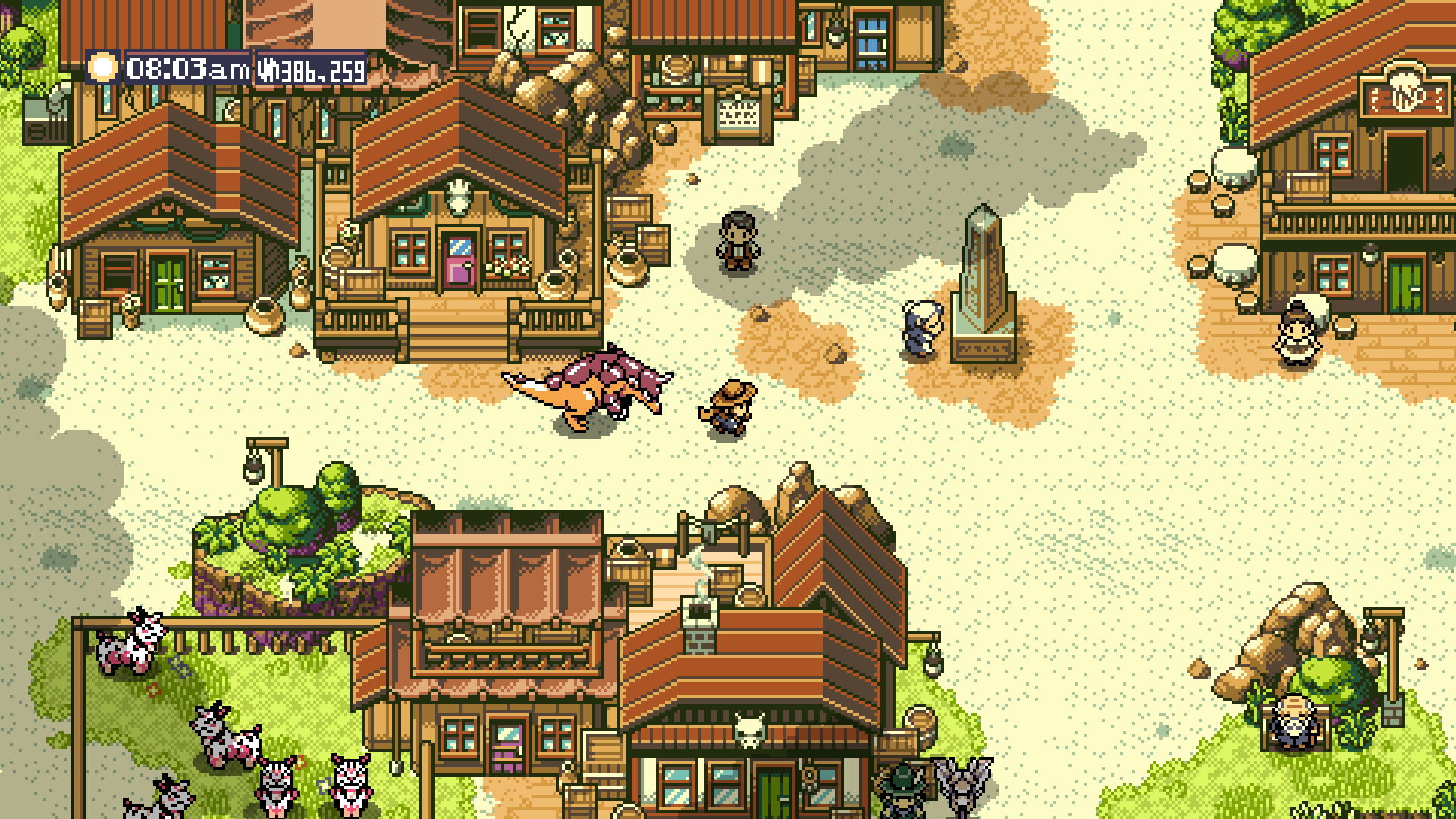
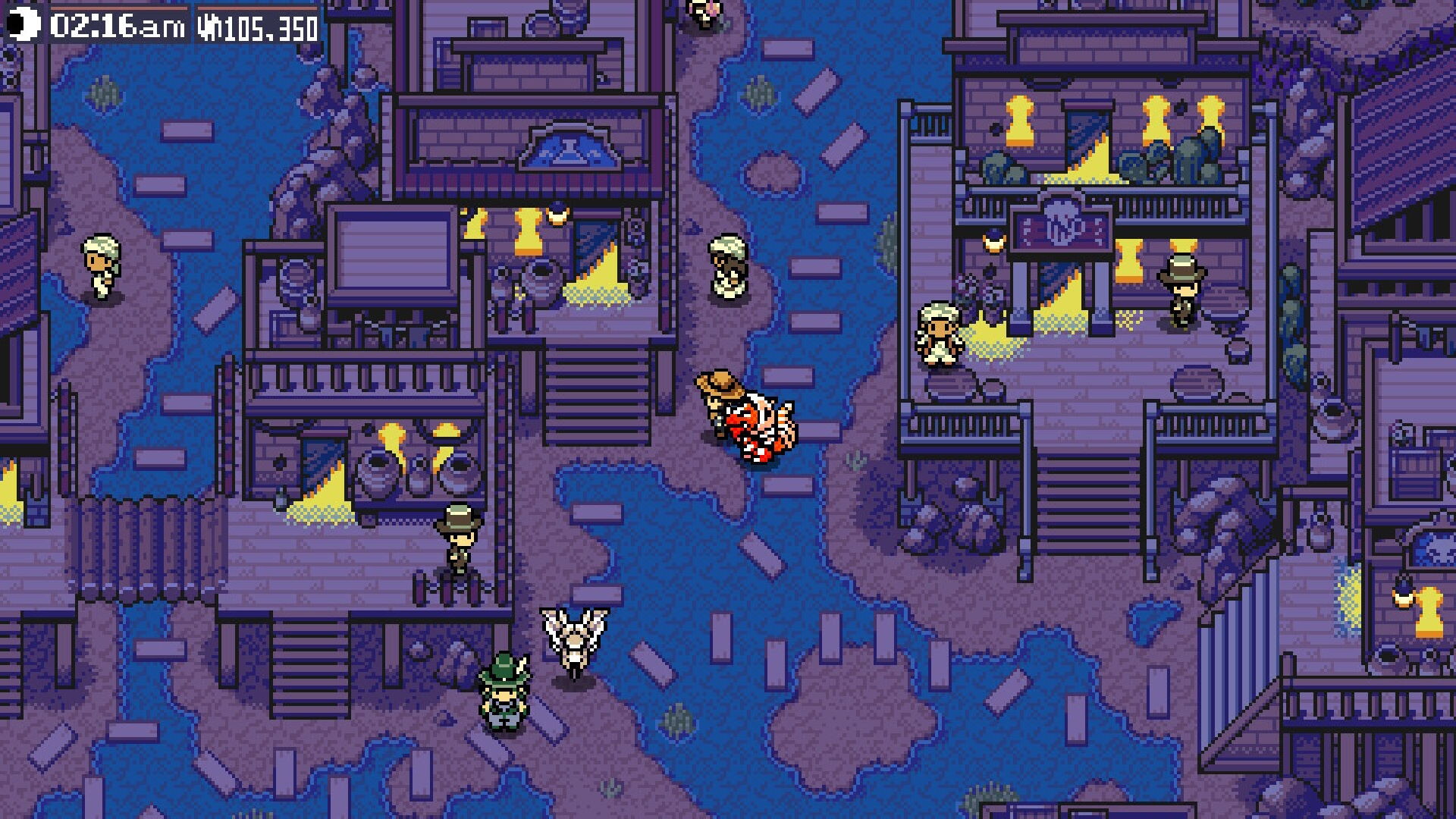
On a visual level, however, the game holds its line well. Its 8-bit aesthetic inspired by the Game Boy Color is nothing shy. The sprites are detailed, the settings have a real presence, and the fights benefit from richer visual work than we sometimes expect from this type of project. The sound follows very well, with a soundtrack regularly cited among its real strengths.
On Xbox Series X|S, the game features 4K Ultra HD resolution, Series X|S optimization and cloud saves. On the other hand, the biggest negative point is intended for the French public: the console version only announces one supported language: English. For an RPG so talkative, so systemic, and so based on reading its mechanics, this is not an idle detail.
Verdict
A sequel that finally embraces its ambition
8/10
Monster Crown: Sin Eater succeeds because it knows exactly where it is strongest. In the composition of its team, in its breeding and fusion system, in its harsher than average world, and in its ability to offer a monster RPG that seeks something other than a simple comfortable imitation.
The game sometimes remains too open, not always very well balanced, and its English-only localisation may put off some French-speaking players. But the foundation is solid. Studio Aurum signs a more assured, richer and more coherent sequel than the first Monster Crown. A really good niche game, which doesn't yet have quite the clarity of the best of the genre, but more than enough material to give it some time.
Pros
- A very rich crossbreeding and fusion system
- A darker tone and real work on the lore
- Very advanced team customization
- Really neat retro pixel art
- A pleasantly rhythmic soundtrack
Cons
- An open world sometimes too poorly guided
- A balancing that relaxes at times
- A very irregular narrative rhythm
- In English only
More in Video games
Full library 5.5/10
Warrior Cats: Clans of the Forest
SWITCH 6.5/10
Demons’ Night Fever
SWITCH 9/10
Dragon’s Dogma 2: Dark Arisen
XBOX 6/10
Qliphah in Providence’s Shadow
SWITCH 8/10
Verho – Curse of Faces
XBOX 7.5/10
Terrinoth: Heroes of Descent
XBOX 7/10
LumenTale: Memories of Trey
SWITCH 6/10
STARBITES
SWITCH 7/10
Dragonkin: The Banished
SERIES 9.5/10