
Le Passage
A passage between shadow and light
Score: 8/10
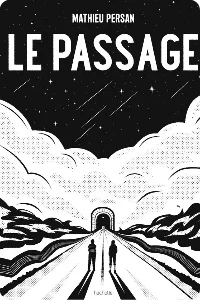
Le Passage is a graphic novel by Mathieu Persan which will be published by Éditions Hachette on March 11, 2026. It consists of 256 pages.
The abyss within
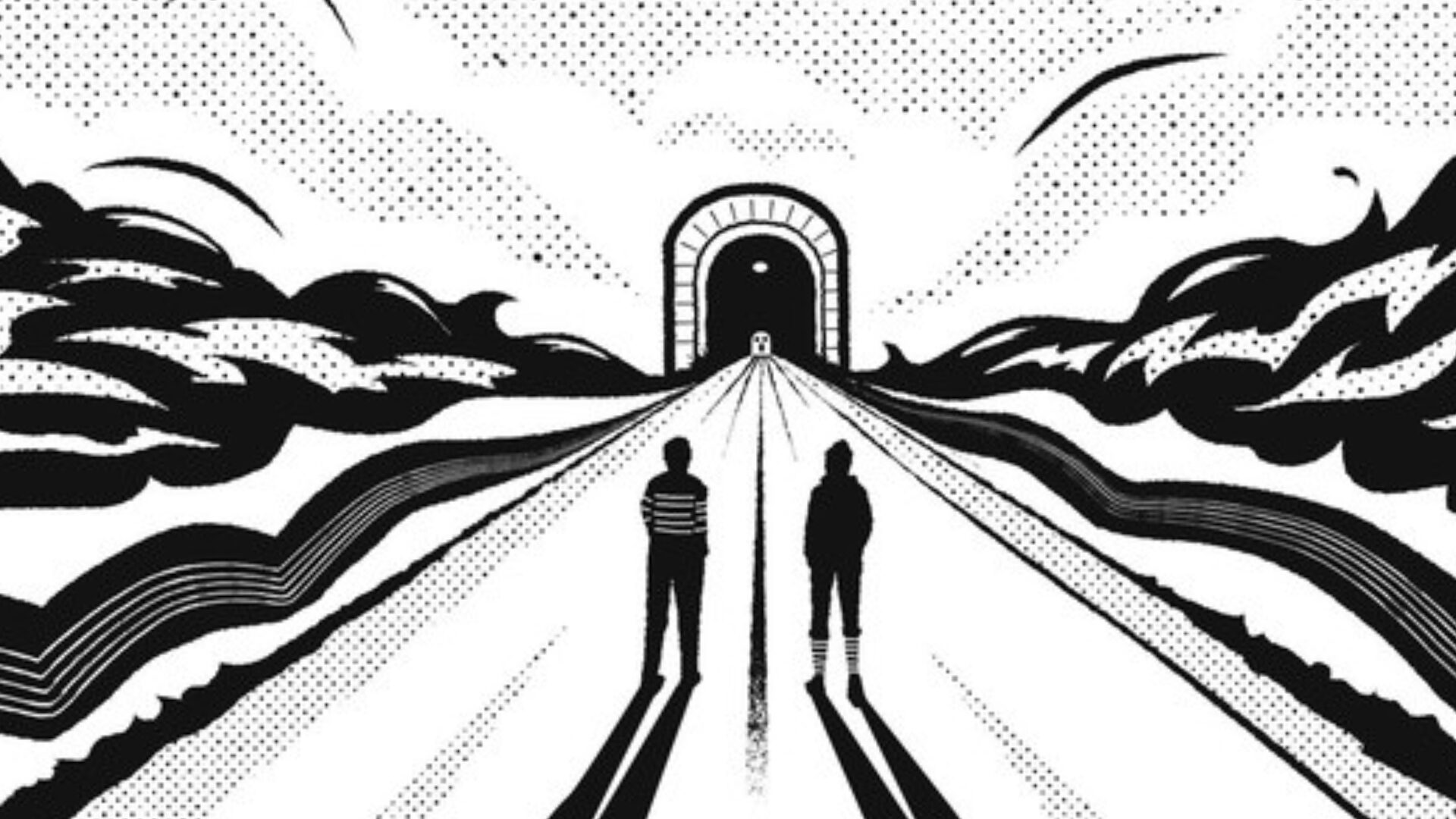
Le Passage is a testimony: that of a father who talks about his daughter’s depression. A distinguished illustrator, Mathieu Persan plays with black and white as if he were capturing despondency and hope, in order to deliver an extremely poignant story. The graphic novel has two narrations: his own voice, as well as the one he gives to his daughter.
Aged 46, the author tells his story. He gives his father an elaborate funeral when, in the evening, the police call him. He and his wife rush home. Their youngest daughter is downstairs and the eldest is talking with the policewoman in her room. The story opens with the depression that inhabits her like a curtain that is drawn. Her bed turns into a raft and everything else into a cold, dark sea.
The young girl has no trauma, nothing to justify her distress, which fragments her a little more. She has no logical reason to experience this depression, however, it grows and isolates her more and more. When she tries to talk about it on WhatsApp, her friends read her messages and ignore her, more concerned with their English test. The young girl, whose name we do not know, no longer has any energy, nor the desire to watch films or read books. Depression numbs her mind; and when she has moments of lucidity, everything seems absurd to her.
She talks about this oppression, this need to no longer suffer in order to feel alive at least one last time. Not so much to die as to become something else in order to exist peacefully.
Two-voice narration
The father’s narration is much more impactful, because it is authentic. If he makes comments validated by his daughter, they are nevertheless told through his prism, he does not experience them and it is his own distress which is superimposed in this highlighting. In fact, I noticed a certain dissonance, the young lady’s words were too mature, not suited to that of a teenager. So, I clearly preferred the author’s voice, his fragility, his feeling of being completely overwhelmed.
I think the story would have gained in intensity if it had been co-written. The author alongside his daughter, their words combined together to tell the story of depression. A way of strengthening the work also thanks to this confidence; confide, shape it page after page, leave a trace and prove that life always pulses. A way to hang on.
The narration transitions are sometimes abrupt, for example the left page from the father’s point of view gives way to that of his daughter without transition. We believe that it is always the author and upon re-reading, we understand that it is indeed his daughter who is telling the story.
Psychiatric journey
Strong point of this graphic novel: its staging which plays with black and white, as well as the arrangement of the text in such a way as to visualize what verbalization sometimes struggles to formulate. The silhouettes never have faces or names. There is a certain poetry in the writing and, if the theme remains difficult, a touch of humor lightens the story. For example at the beginning at the funeral when they try to call for an encore but the dead man doesn’t respond, when the author compares the shrink to the mechanic or when he dives into his thoughts and wonders: "If Einstein had known Desireless, what would he have thought of the fact that we could travel further than night and day? »
This graphic novel is divided into several parts. After the police, it’s the private clinic, and getting there is a real journey. The author describes it with humor, there must be at least one suicide attempt required, etc. His derision brings a breath of fresh air to his testimony, without concealing medical errors such as the excessively high dose of psychotropic drugs administered to his daughter. Medical silence, what patients are forced to keep silent once locked up.
If black and white is admirably used, the white writing on a black background imposed during half of the story creates visual discomfort when reading.
Mathieu Persan is also the author of “Il ne doit plus jamais rien m’arriver” by Éditions l’Iconoclaste as well as “Rétrovisions: Un regard illustré sur notre époque” by Éditions Hachette. Committed, all royalties from “Le Passage” will be donated to associations working for the mental health of young people.
Verdict
A passage between shadow and light
8/10
Le Passage is a graphic novel that dresses adolescent depression in black and white in a poignant testimony: that of a father who evokes his daughter's illness in an authentic way. Moving from one point of view to another, the author recounts this silent collapse that he did not see coming with a lot of poetry. His humor counterbalances the harshness of this theme, still too taboo in a time when suicide among young people is increasing worryingly...
More in Manga & comics
Full library 7.5/10
TDAAAAAAH
Hachette 8/10
Mégalo Poupos dans la quête du gras
Hachette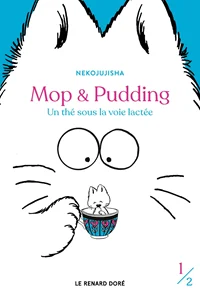 8/10
Mop & Pudding: Tea Beneath the Milky Way
Rue de Sèvres (Le Renard Doré) 8/10
My Beautiful Doll Is a Super Darling
Kurokawa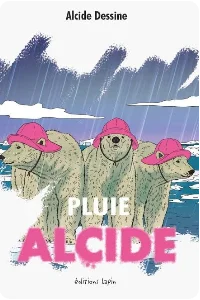 2/10
Pluie Alcide
Éditions Lapin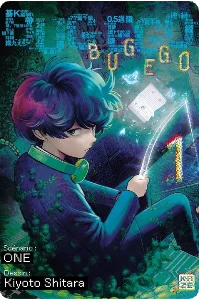 8/10
Bug Ego
Kazé Manga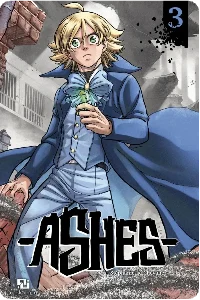 8.5/10
Ashes Volume 3
Ankama 8.5/10
La Vérité de Pinocchio
Grand Angle 7.5/10
Les 7 Chevaliers du Royaume des Marronniers
Akata 8/10