
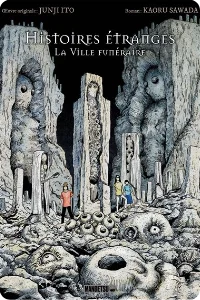
Histoires Étranges – La Ville funéraire
Junji Ito without the shock of the image
Score: 6.5/10
 By Farrel Grimwood · published · 5 min read
Contents
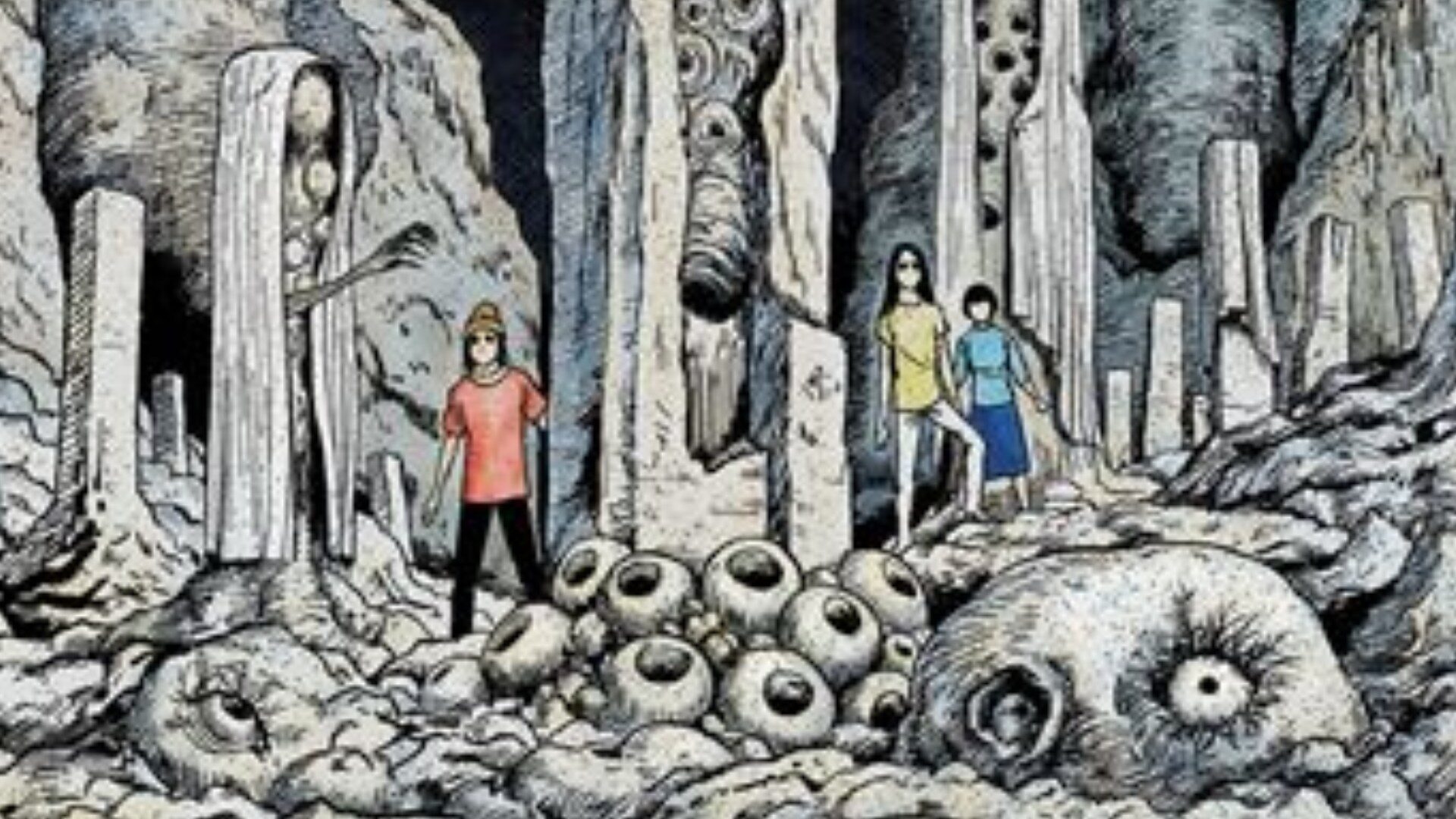
With Histoires Étranges – La Ville funéraire, Mangetsu offers a slightly different object in the Junji Ito collection. It is not really a manga, nor a simple artbook, but a collection of prose short stories adapted from several stories by the master of horror. Kaoru Sawada, head writer of the animated anthology Junji Ito’s Horror Collection, takes up twelve stories from this universe here, with a few pages from the original manga to punctuate the reading.
The idea is interesting, because it immediately shifts the relationship to anxiety. With Junji Ito, horror first comes through the image. By a face that distorts, a texture that is too organic, a page turned at the wrong time, a detail that is impossible to forget. Here, the book asks something different: for readers to reconstruct for themselves what the drawing usually showed frontally.
On paper, the bet is risky. Adapting Junji Ito into prose necessarily means losing part of what makes it strong. But it’s also a way of returning to his obsessions in a different way: death, the body, guilt, places that go wrong, normality that becomes unbearable without warning.
But does La Ville funéraire really add new depth to these stories, or does it mainly remind us that Junji Ito remains more powerful when he lets his images speak for him?
Reading horror instead of seeing it
The first thing to accept is that La Ville funéraire does not produce fear in the same way as a Junji Ito manga. The book does not have the immediate violence of a double page, nor this very particular ability to bring unease to the surface in a drawing that is almost too calm. Here, anxiety advances through words. It goes through thoughts, details, explanations, sometimes through a more marked form of interiority.
This is where the collection finds its interest. Some stories benefit from being explored from the minds of the characters. Remorse, fascination, disgust or incomprehension become more explicit. We no longer just watch someone being caught up in the strange. We accompany him in this shift, which necessarily modifies the feeling of reading.
This approach works best when the text lets the weirdness settle in without explaining too much. The best passages maintain what makes Ito’s strength: a simple, almost banal situation, which begins to derail until it becomes impossible to bring back into reality. A dream that drags on, a funeral that takes an absurd turn, a tunnel, a creature washed up on a beach. The starting points remain clear, and it is often this simplicity that makes them effective.
The problem is that the prose sometimes tends to clarify what the drawing might have left unclear. It gives moods, puts words on fear, accompanies the reader where the manga could simply place them in front of something unacceptable. This is not bad in itself, but it profoundly changes the nature of the experience.
La Ville funéraire is therefore more interesting when it assumes this difference than when it attempts to reproduce the effect of the manga. It does not replace the original works. It approaches them from another angle, re-illuminates them, sometimes makes them more accessible, but without rediscovering their visual violence.
A loyalty that reassures and limits
The collection has a true fidelity to the spirit of Junji Ito. We find his themes, his breaks in logic, this way of turning everyday life into an anomaly which never really asks permission. Death, the body, the family, closed places, absurd phenomena: all of this remains very present.
This loyalty is reassuring. We don’t feel a text that would seek to modernize Ito, to explain his work too heavily or to transform his stories into more conventional horror. Kaoru Sawada clearly knows this material and respects its strangeness. The book maintains a form of dryness, of frontality, which avoids transforming the whole into an overly talkative atmospheric novel.
But this same loyalty also creates a limit. For those who already know the mangas from which these short stories are taken, La Ville funéraire looks more like a second reading than a real rediscovery. We find stories, ideas, shocks already known, but with less immediate force. The interest then comes mainly from the change of point of view.
The included manga pages regularly remind us where these stories come from. This is a good idea, because they keep a link with the graphic origin of the work. But they also produce a paradoxical effect. Each image by Junji Ito reminds us of the extent to which his drawing is lacking as soon as the text takes over.
The collection therefore sits somewhere in between. It is too linked to the manga to be completely independent, but too textual to provoke the same shock. This is what makes it interesting, but also what prevents it from being essential.
The weight of the absence of the image
The real limit of the book is there. Junji Ito is an author whose fear comes a lot through the body and transformations; who opens up, repeats himself, almost becomes an architect of a world in distress. In prose, this body horror loses some of its impact. It can be described, sometimes even well, but it is not imposed with the same brutality.
This lack does not make La Ville funéraire useless, but simply more divisive. A reader already familiar with Junji Ito may find a different way of revisiting certain stories. Someone else who discovers his world through this collection, on the other hand, risks missing out on what really makes him unique. This is not the best entry point… and paradoxically not necessarily a reading to recommend to a knowledgeable enthusiast.
The work works best as a complement, a variation, an extrapolation. It allows us to dwell on ideas, on fears, on the internal workings of certain short stories. It sometimes gives more direct access to the characters. But we should not expect it to replace the shock of the line, nor the staging of the page.
There is also a question of rhythm. Twelve short stories, 408 pages, a form that moves from one story to another: all this gives the collection a fairly generous reading, but not always equal. Some short stories support the transition to prose very well. Others seem to need the image to breathe.
Ultimately, La Ville funéraire is worth above all for what it reveals underneath. It shows that Junji Ito’s universe can exist differently, but also that its real power comes from this very precise alliance between idea, drawing and moment of revelation. When one of these elements is missing, the strange remains present, but it bites less strongly.
Verdict
An honest but dispensable curiosity
6.5/10
Histoires Étranges - La Ville funéraire is an interesting work, but necessarily limited. It offers another way of entering several of Junji Ito's stories, more interior, more textual, more accessible. But it also loses part of what makes the author so striking: the shock of the image, the violence of the line, the fear that arrives without explanation.
It is therefore not essential, nor the best starting point for discovering Junji Ito. It is rather a solid complement, to read to revisit his world differently. A faithful curiosity, sometimes effective, but which above all reminds us of a very simple thing: with Ito, horror can be read, yes, but it is first seen.
More in Manga & comics
Full library 6/10
Regards
Mangetsu 8.5/10
ARMS Wide Edition
Mangetsu 9/10
Kids on the Slope
Mangetsu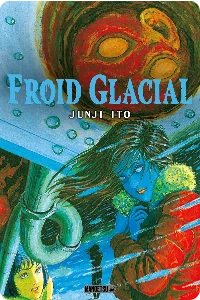 9/10
Froid Glacial
Mangetsu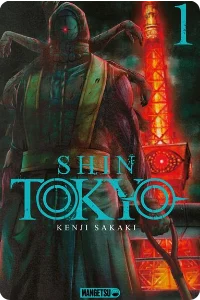 8/10
Shin Tokyo
Mangetsu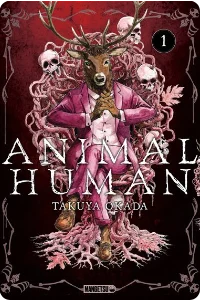 7.5/10
Animal Human
Mangetsu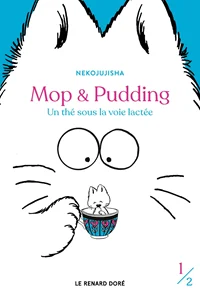 8/10
Mop & Pudding: Tea Beneath the Milky Way
Rue de Sèvres (Le Renard Doré) 8/10
My Beautiful Doll Is a Super Darling
Kurokawa 2/10
Pluie Alcide
Éditions Lapin 8/10